
The choice between a mountaineering mobility robot and a standard exoskeleton represents a critical decision for expedition teams, search and rescue operations, and high-altitude logistics programs. Both technologies enhance human capability in extreme environments, yet they operate on fundamentally different principles and deliver distinct advantages depending on mission requirements, terrain complexity, and operational constraints. Understanding these differences is essential for organizations planning investments in advanced mobility solutions for challenging mountain environments.
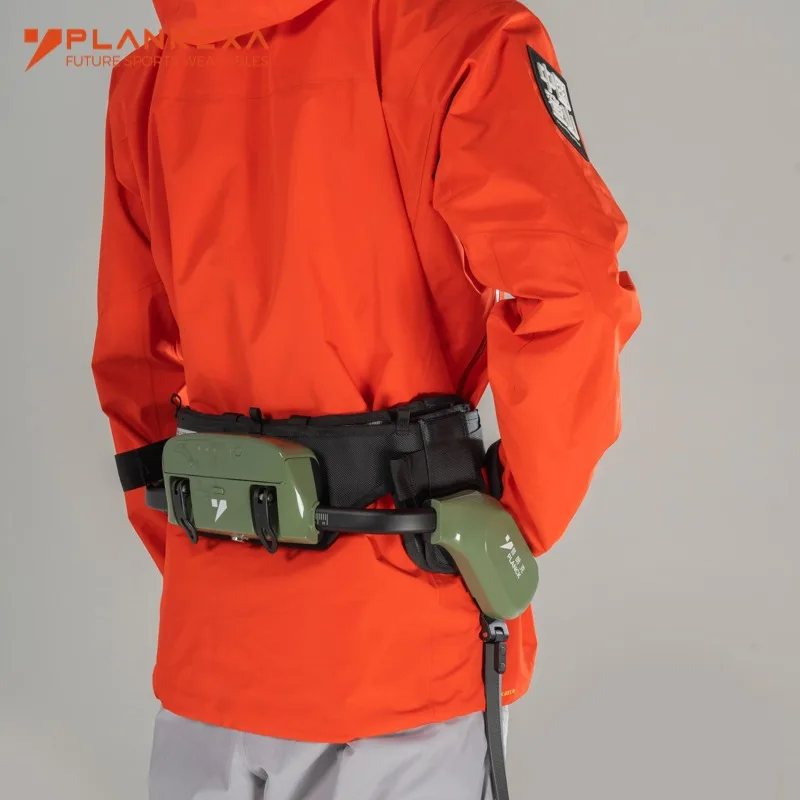
A mountaineering mobility robot represents an autonomous or semi-autonomous platform designed specifically for high-altitude, rocky, and snow-covered terrain. Standard exoskeletons, by contrast, are wearable augmentation devices that amplify human strength and endurance while the operator remains the primary control mechanism. The architectural difference shapes everything from deployment flexibility to operational complexity, making careful comparison essential before procurement.
Core Technology Architecture and Design Philosophy
Mountaineering Mobility Robot Systems
A mountaineering mobility robot employs independent mechanical and AI-driven systems to navigate treacherous alpine terrain autonomously or under remote supervision. These platforms typically feature multi-jointed legs, advanced sensor arrays, real-time terrain analysis, and distributed computing power for dynamic path planning. The technology prioritizes terrain adaptation, obstacle recognition, and load-bearing capacity independent of human physical condition. A reliable manufacturer in this space designs these systems to function across extreme temperature ranges, variable atmospheric pressure, and unpredictable surface conditions including loose rock, ice, and steep gradients.
The mountaineering mobility robot's design philosophy centers on removing the human operator from direct physical exertion while maintaining control and situational awareness. This separation of operator from execution creates distinct advantages: the device can operate in toxic or oxygen-depleted environments, navigate terrain too hazardous for human climbing, and transport equipment without human fatigue constraints. The supplier ecosystem for these systems continues expanding as applications broaden beyond expedition support into rescue operations and scientific research.
Standard Exoskeleton Architecture
Standard exoskeletons function as wearable mechanical frameworks that augment human muscle power and reduce metabolic demand during physical work. These devices distribute load across the wearer's skeletal frame, reduce joint stress, and amplify leg strength for climbing, load carrying, and sustained movement across difficult terrain. The human operator remains the primary intelligence, navigation system, and decision-maker while the exoskeleton provides mechanical multiplication of effort. Most standard exoskeletons serve general-purpose industrial, military, or logistics applications rather than specialized mountaineering contexts.
A manufacturer designing standard exoskeletons for mountain environments must balance weight, power consumption, joint articulation range, and thermal management to maintain functionality in cold environments. Unlike the specialized mountaineering mobility robot, standard exoskeletons typically feature simpler control schemes, fewer integrated sensors, and design assumptions rooted in powered factory floors or urban logistics rather than alpine climbing. The supplier model for exoskeletons emphasizes modularity and adaptability across multiple industries rather than domain specialization.
Operational Performance and Real-World Suitability
Terrain Navigation and Climbing Capability
The mountaineering mobility robot excels at autonomous terrain assessment and obstacle avoidance in environments where human eye-hand coordination becomes insufficient or fatigue-compromised. These devices analyze rock formations, assess crevasse patterns, evaluate ice stability, and select routes based on real-time sensor feedback without operator instruction for each micromaneuver. In vertical climbing scenarios, the mountaineering mobility robot's distributed leg systems can maintain contact with multiple rock points simultaneously, adapting grip strategy dynamically as conditions shift. This capability proves transformative for rescue scenarios where speed and precision determine life-or-death outcomes.
Standard exoskeletons enhance human climbing capability but remain dependent on the wearer's decision-making, spatial judgment, and physical courage. The wearer must evaluate holds, plan routes, and execute movements while managing the psychological and neurological demands of high-altitude climbing. In extreme conditions where hypoxia, cold injury, or altitude sickness compromise cognitive function, the exoskeleton cannot compensate for operator degradation. However, in moderate alpine contexts where skilled climbers face predictable terrain, exoskeletons maintain human agency and leverage accumulated climbing expertise.
Payload Capacity and Load Distribution
A mountaineering mobility robot can carry substantial payloads—ranging from two hundred to over five hundred kilograms depending on design—without proportional increases in energy demand or structural stress. This capacity supports scientific equipment transport, emergency supply delivery, and multi-unit coordinated operations where distributed load across several robotic platforms exceeds what single-operator teams could manage. The device distributes payload through its structural frame directly to the terrain, bypassing human skeletal limitations entirely. A quality supplier designs payload systems with fail-safes preventing load-induced instability or tip-over risks on steep grades.
Standard exoskeletons amplify but do not eliminate human load-bearing constraints. A typical exoskeleton might enable a single operator to carry sixty to one hundred kilograms effectively, compared to thirty to fifty kilograms unassisted. However, the exoskeleton's assistance plateaus against human cardiovascular limits, muscle fatigue cycles, and joint stress tolerance. Extended high-altitude exoskeleton use still requires acclimatization periods, adequate nutrition, and progressive load application. A manufacturer addressing mountaineering contexts must design exoskeletons that specifically mitigate altitude-related oxygen depletion rather than applying general industrial power-assist assumptions.
Deployment, Maintenance, and Operational Integration
Field Deployment and Portability
Deploying a mountaineering mobility robot requires advance setup, terrain scouting, and operator training specific to that platform's unique control interface and emergency procedures. The device must be transported to the operational zone, which in remote alpine environments presents logistics challenges. Modern expedition-ready designs incorporate modular assembly, allowing transport via helicopter, base camp assembly, and operational deployment within defined mission windows. The mountaineering mobility robot's advantage in deployment lies in rapid mobilization once in-theater, enabling round-the-clock operations without operator rotation needs.
Standard exoskeletons offer simpler, faster deployment because individual operators can don and activate devices in minutes rather than hours. A team arrives with packed exoskeletons and begins operations almost immediately, making exoskeletons ideal for rapid-response rescue teams or military units requiring quick mountain mobility. However, exoskeletons demand trained personnel who can function effectively in the specific operational environment, a constraint the mountaineering mobility robot mitigates through autonomous or remote-piloted operation. The supplier model for exoskeletons emphasizes field-ready, minimal-setup deployment compared to the mountaineering mobility robot's more complex ecosystem requirements.
Maintenance, Battery Life, and Operational Costs
The mountaineering mobility robot requires specialized maintenance protocols, replacement parts availability through established manufacturer channels, and skilled technicians capable of diagnosing and resolving system failures. Battery life typically ranges from four to eight hours depending on terrain, load, and operational tempo. Extended missions require battery swap schedules, portable charging infrastructure, or base camp power management. A manufacturer offering reliable mountaineering mobility robot support must maintain upstream supply chains and technical service availability at remote locations or remote consultation capacity for field troubleshooting. Operational costs scale with equipment complexity, specialized parts inventory, and expertise requirements.
Standard exoskeletons present lower technical complexity and maintenance burden per individual wearer. Battery systems run eight to twelve hours under normal operating conditions, with multiple units enabling rotation and charging cycles during field deployment. Maintenance consists primarily of visual inspection, joint lubrication, and battery management—tasks that trained but non-specialist personnel can perform. This simplicity reduces per-operator support burden and makes exoskeletons attractive for organizations with limited technical infrastructure. The supplier model for exoskeletons emphasizes sustainability and distributed support compared to the centralized manufacturer expertise the mountaineering mobility robot demands.
Strategic Selection Framework
Mission Type and Operational Requirements
Organizations should select a mountaineering mobility robot when missions demand autonomous terrain navigation, zero human climbing exposure, extended high-altitude operations without operator rotation, or hazardous environment access where human presence is unfeasible. Rescue operations identifying lost climbers in complex terrain, scientific expeditions requiring equipment transport to unmapped locations, and military operations in contested alpine regions benefit from the mountaineering mobility robot's autonomous capability and multi-day operational endurance. The mountaineering mobility robot excels when speed, precision, and independence from human physical limitation define mission success.
Standard exoskeletons prove optimal for operations leveraging existing climber expertise, requiring flexible route adaptation to unexpected terrain changes, demanding rapid deployment to nearby mountain zones, or operating within moderate altitude and weather constraints. Search and rescue teams with skilled mountaineers, alpine construction crews, and military mountain warfare units benefit from exoskeleton augmentation that preserves human decision-making while reducing physical strain. When organizational culture emphasizes human expertise and adaptability, exoskeletons align better with operational values than delegating decisions to a mountaineering mobility robot system.
Budget, Infrastructure, and Technical Capability
The mountaineering mobility robot demands significant capital investment, ongoing technical support relationships with the manufacturer, and organizational capacity for systems engineering and remote operations management. Organizations must budget for specialized training, spare parts inventory, battery replacement schedules, and contingency support contracts. The supplier relationship becomes deeply integrated into operational capability, making vendor stability and long-term commitment critical selection criteria. Total cost of ownership extends across procurement, training, maintenance, logistics support, and personnel dedicated to robotic system management.
Standard exoskeletons present lower capital barriers and simpler organizational integration. Procurement costs per unit remain substantially below mountaineering mobility robot systems, and organizations can scale deployment incrementally from pilot programs to large teams. Technical support requirements remain minimal, allowing self-sufficient teams to operate without constant manufacturer engagement. The supplier ecosystem for exoskeletons emphasizes scalability and self-sufficiency rather than complex integration, making exoskeletons suitable for organizations with limited budget and technical infrastructure for managing sophisticated autonomous systems.
FAQ
Can a mountaineering mobility robot operate in extreme weather conditions that would compromise standard exoskeleton performance?
Yes, a well-engineered mountaineering mobility robot maintains operational capability across extreme temperature ranges, severe precipitation, and high winds through sealed electronics, robust structural design, and redundant sensor arrays. Standard exoskeletons face battery performance degradation in extreme cold, operator hypothermia risk from reduced human metabolic generation while wearing the device, and joint freezing from moisture ingress. The mountaineering mobility robot's sealed systems and active thermal management preserve function during expeditions where human-worn exoskeletons become liability rather than asset. However, the manufacturer's specific environmental specifications determine actual capability limits, making detailed due diligence essential before deployment in untested extreme conditions.
What training burden does a mountaineering mobility robot operator face compared to exoskeleton users?
A mountaineering mobility robot operator requires comprehensive training in system architecture, emergency override procedures, terrain analysis interpretation, remote piloting controls, and mission planning specific to that manufacturer's platform. Training programs typically span weeks or months and demand technical understanding of robotics principles. Standard exoskeleton users require physical conditioning, equipment fitting, balance adaptation, and climbing technique coaching—training focused on human performance enhancement rather than technical systems. For rescue organizations or military units with existing mountaineer expertise but limited robotics background, exoskeletons present faster operational readiness. For teams with engineering capacity and plans for extended robotics deployment, the mountaineering mobility robot's training investment pays dividends through standardized protocols across multiple systems.
Which technology proves more cost-effective for multi-year expedition programs?
Cost-effectiveness depends critically on mission frequency, operational duration, and organizational scale. Standard exoskeletons show superior cost efficiency for organizations deploying twenty to forty units across one hundred to two hundred annual mountain operations because per-unit capital costs remain low and replacement cycles extend beyond five years. A mountaineering mobility robot justifies investment when organizations run intensive expeditions where a single system replaces three to five human teams, operates continuously across multi-month campaigns, or reduces total personnel requirements significantly. The supplier model matters profoundly here: manufacturers offering favorable maintenance contracts and parts availability over extended periods reduce long-term mountaineering mobility robot costs substantially. Organizations should model total five-year costs including training, maintenance, battery replacement, and personnel allocation before selecting either technology.
Table of Contents
- Core Technology Architecture and Design Philosophy
- Operational Performance and Real-World Suitability
- Deployment, Maintenance, and Operational Integration
- Strategic Selection Framework
-
FAQ
- Can a mountaineering mobility robot operate in extreme weather conditions that would compromise standard exoskeleton performance?
- What training burden does a mountaineering mobility robot operator face compared to exoskeleton users?
- Which technology proves more cost-effective for multi-year expedition programs?