
A lightweight exoskeleton represents a breakthrough in wearable robotic technology, designed to amplify human capability without imposing excessive burden on the wearer. Unlike traditional heavy exoskeletons that required significant physical effort to operate, modern lightweight models integrate advanced materials and intelligent control systems to deliver genuine power assistance while maintaining comfort and natural movement patterns. These systems are engineered for everyday use in industrial, healthcare, and recreational applications, fundamentally changing how people approach physically demanding tasks.
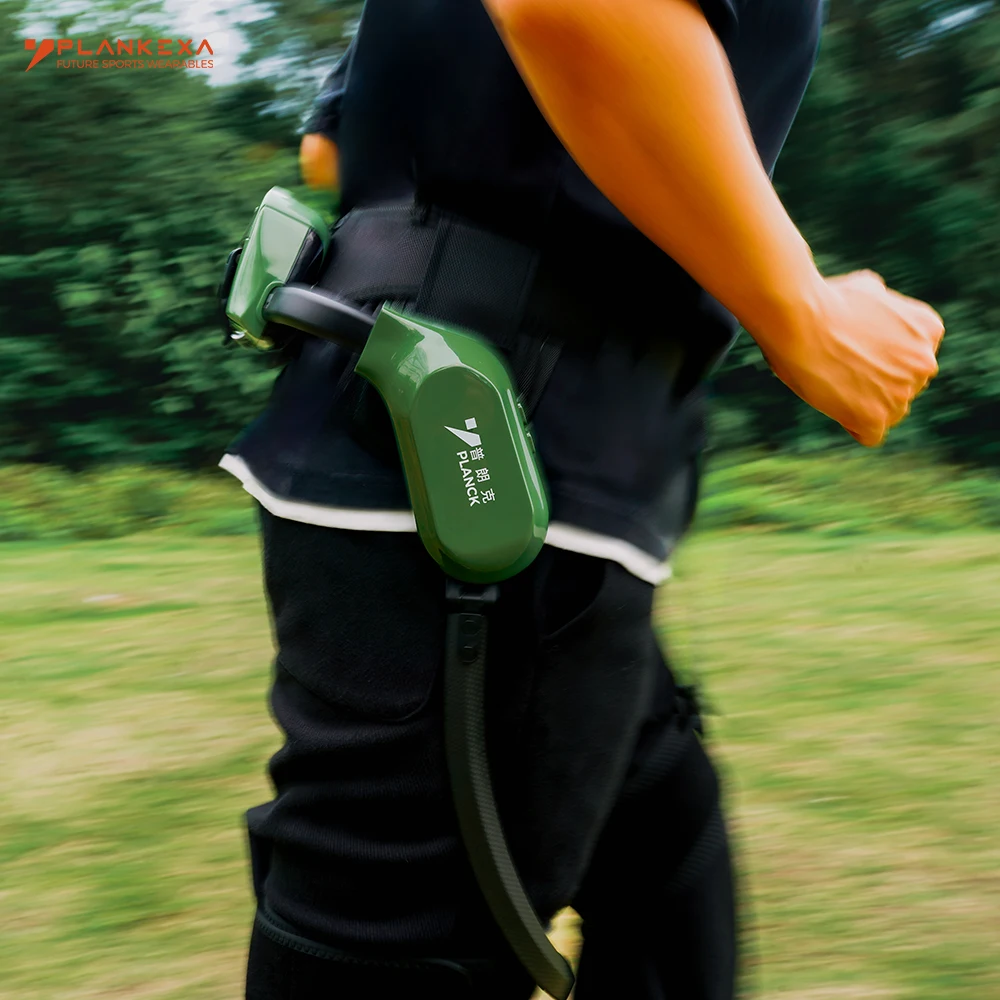
The evolution of exoskeleton technology has transformed the relationship between comfort and functionality. A lightweight exoskeleton achieves this balance through precision engineering, strategic weight distribution, and responsive power delivery systems that adapt to the wearer's movements in real time. Understanding how these systems work, what benefits they provide, and how to select the right model is essential for anyone considering this technology for personal or professional use.
Core Design Principles Behind Lightweight Exoskeleton Innovation
Material Science and Structural Optimization
Modern lightweight exoskeleton designs prioritize material selection and structural geometry to minimize overall weight while maintaining load-bearing capacity. Carbon fiber composites, aerospace-grade aluminum alloys, and advanced polymers form the backbone of these systems, allowing manufacturers and suppliers to reduce weight by up to sixty percent compared to first-generation models. The structural architecture distributes force across the frame strategically, ensuring that power delivery mechanisms remain efficient without requiring bulky components that would compromise mobility.
Leading manufacturers focus on ergonomic force distribution, placing actuators and battery systems close to the body's center of gravity. This design approach allows a lightweight exoskeleton to feel more like an extension of the body rather than an external load, reducing fatigue during extended wear. The frame geometry is often customizable to accommodate different body types and usage scenarios, demonstrating how supplier innovation has expanded the practical appeal of wearable robotics.
Intelligent Power Management Systems
A lightweight exoskeleton requires sophisticated control algorithms to deliver assistance proportional to user effort and environmental conditions. Artificial intelligence and machine learning systems analyze movement patterns, terrain characteristics, and fatigue indicators to optimize power output continuously. Battery efficiency directly impacts the practical utility of any exoskeleton, and manufacturers have achieved significant improvements through smart energy distribution that reduces unnecessary power consumption while maintaining responsive assistance.
The integration of sensor networks enables real-time feedback and adaptive performance, making each lightweight exoskeleton capable of learning individual user preferences and physical characteristics. This technological sophistication separates premium models from basic designs, and choosing a reliable supplier or manufacturer with proven expertise in control systems ensures consistent performance and durability over years of regular use.
Practical Benefits and Real-World Applications
Enhanced Mobility and Reduced Physical Strain
A lightweight exoskeleton directly addresses the challenge of maintaining productivity while protecting musculoskeletal health. Workers in logistics, manufacturing, and construction environments experience significant relief from repetitive strain injuries and chronic pain when using well-designed exoskeletons. The systems reduce the mechanical load on joints and muscles by distributing weight and assisting movement, allowing individuals to maintain performance throughout longer work shifts without cumulative injury risk.
Healthcare professionals and elderly users benefit from improved mobility and confidence during daily activities. Lightweight exoskeleton technology enables independent walking, stair navigation, and standing tasks that might otherwise be impossible or dangerous. This capability restoration extends functional independence and preserves quality of life, demonstrating applications far beyond industrial contexts. Selecting the right manufacturer ensures that assistance features align with individual mobility needs.
Productivity and Economic Impact
Organizations implementing a lightweight exoskeleton technology typically observe increased output and reduced absenteeism related to injury and fatigue. Workers complete physical tasks more quickly and with greater precision when exoskeleton support minimizes fatigue during precision work or sustained physical activity. The economic case strengthens when considering reduced healthcare costs, lower workers' compensation claims, and extended working career duration for valuable employees.
Small to mid-size enterprises increasingly view exoskeleton adoption as a strategic investment in workforce sustainability. Reputable supplier and manufacturer partnerships provide training, customization, and maintenance support that maximize return on investment. The competitive advantage emerges when organizations deploy lightweight exoskeleton solutions earlier than competitors, creating efficiency gains and talent retention improvements that compound over time.
Selecting the Right Lightweight Exoskeleton Manufacturer and Supplier
Evaluating Technical Specifications and Performance Standards
Choosing between lightweight exoskeleton options requires systematic evaluation of torque capacity, battery endurance, weight, and responsiveness metrics. Different applications demand different performance profiles; walking assistance differs from load-carrying or precision manipulation support. Qualified manufacturers provide detailed specifications and testing data, allowing informed comparison based on actual performance requirements rather than marketing claims. Battery runtime, charging speed, and power output under peak load conditions represent critical decision factors for practical utility.
A reliable supplier or manufacturer will offer transparent documentation of durability testing, failure rates, and warranty coverage terms. Field testing and pilot programs allow organizations to validate that a specific lightweight exoskeleton model performs as intended in actual work environments. Independent reviews and user feedback from comparable applications provide valuable reference points that reduce adoption risk.
Support Infrastructure and Long-Term Partnership Considerations
The quality of post-sale support often determines exoskeleton program success more than initial equipment selection. Reputable manufacturers and suppliers maintain service networks, provide spare parts availability, and deliver ongoing software updates that improve performance and add features. Training programs ensure users understand how to operate equipment safely and optimize assistance settings for their specific needs, maximizing both comfort and effectiveness from day one.
Customization and sizing flexibility differentiate serious lightweight exoskeleton manufacturers from casual market entrants. Organizations with diverse user populations need supplier partners capable of providing models accommodating different body types and work styles. Extended warranty options, predictive maintenance services, and continuous product improvement demonstrate commitment to customer success beyond initial sale completion.
FAQ
What makes a lightweight exoskeleton different from standard exoskeletons?
A lightweight exoskeleton prioritizes reduced weight without sacrificing power delivery through advanced materials and efficient design. Standard exoskeletons often weigh significantly more, limiting practical daily use and causing fatigue. Modern lightweight versions use carbon fiber and intelligent power systems to provide genuine assistance while remaining comfortable during extended wear, making them suitable for diverse applications from industrial work to personal mobility assistance.
How long does a lightweight exoskeleton battery last during typical use?
Battery runtime varies by model and intensity of assistance required, typically ranging from four to eight hours for moderate use. Advanced lightweight exoskeleton systems now achieve extended endurance through efficient power management and optimized motor design. Users should verify battery specifications against their specific application requirements and consult with manufacturers about runtime expectations under real-world conditions.
How do I find a reliable lightweight exoskeleton supplier or manufacturer?
Research manufacturers with established track records, certifications, and transparent technical documentation. Request references from existing customers in comparable industries, and evaluate post-sale support quality including training, maintenance services, and spare parts availability. A trustworthy lightweight exoskeleton supplier will encourage pilot testing, offer customization options, and provide comprehensive warranties that demonstrate confidence in product reliability and performance.