
An ai gait exoskeleton does not simply apply the same movement pattern to every wearer. It observes how a person walks, estimates the rhythm and force of each step, then adjusts assistance within defined operating limits. Understanding this learning sequence helps buyers assess what the device adapts, what it still needs from the wearer, and how to evaluate a supplier or manufacturer.
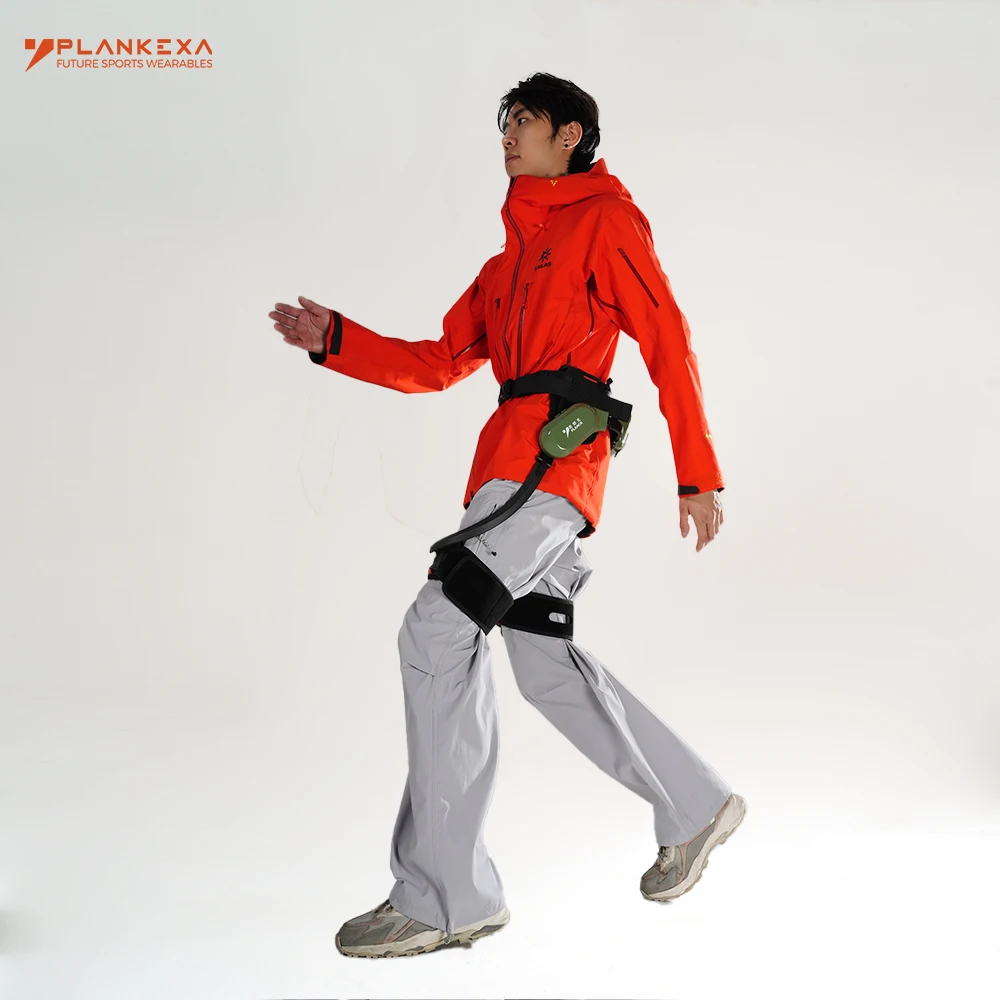
Learning a walk is a staged process, not a one-time measurement. Sensors collect movement signals, software builds a baseline, and the control system compares new steps with that reference as walking continues. A careful supplier or manufacturer should be able to explain how calibration, adaptation, comfort checks, and safety limits fit together, rather than describing the device as if it learns without supervision.
Step One: Capturing a Personal Walking Baseline
Preparing the wearer and equipment
Before useful learning begins, the exoskeleton must sit correctly on the body. Straps, joint alignment, clothing, footwear, and the wearer’s intended activity can all affect sensor readings. A supplier should provide clear fitting instructions, while the manufacturer should specify adjustment ranges and setup requirements. If the device shifts during a trial, the system may interpret a fit problem as a change in gait, so a stable starting position matters.
The initial session also establishes the conditions in which the baseline is collected. Walking speed, surface, incline, and whether the wearer carries a load can change step timing and effort. A responsible supplier explains which conditions are suitable for calibration; the manufacturer defines how the system handles variation. Buyers should ask whether setup guidance covers both indoor evaluation and the outdoor walking situations relevant to the intended use.
Reading movement signals
During walking, onboard sensors may measure factors such as limb movement, angular change, pressure, or device position, depending on the design. The control software combines these readings to identify events such as a step beginning or ending. A supplier should describe the available sensor information in practical terms, and a manufacturer should explain how signals are checked for reliability. The goal is a usable movement picture, not a medical diagnosis.
The system then observes repeated steps instead of making a lasting decision from one motion. It can compare timing between sides, note a change in pace, and distinguish a regular walking cycle from a brief interruption. Ask the supplier how many steps or what type of session is recommended for baseline capture. The manufacturer’s calibration process should also clarify how pauses, turns, and inconsistent signals affect the learning stage.
Step Two: Turning Observations Into Adaptive Assistance
Building a reference pattern
Once enough consistent movement data is available, the software forms a reference for that wearer and session. This baseline can represent cadence, step transitions, and movement range without assuming that every person should walk identically. A supplier should explain whether the profile is stored on the device or managed another way, while the manufacturer should document how it is reset or updated. That distinction matters when equipment is shared or reassigned.
A reference pattern is useful only when its limits are understood. Normal variation may come from fatigue, changing terrain, or a deliberate change in pace; a sudden sensor disturbance may look different. The supplier should communicate what adaptation users can expect and what requires a new setup. The manufacturer should describe how the system avoids treating every unusual step as a lasting change, reducing the risk of unstable or confusing assistance.
Matching support to walking intent
After establishing a baseline, the controller can use current signals to estimate what movement is happening and when assistance may be appropriate. The intent is to support a step in coordination with the wearer, not to force a fixed rhythm. Buyers can ask the supplier how the assistance response is demonstrated during a supervised trial. The manufacturer should be able to explain the control logic at a level that makes timing, adjustment, and operating boundaries clear.
Adaptation should remain bounded by the device’s design. A change in pace or terrain may prompt a different response, but the user should retain control and be able to stop or reduce assistance according to the product instructions. A supplier needs to explain available modes and controls; the manufacturer needs to define safe use conditions. Clear documentation helps teams judge whether the response suits trekking, long walking, rehabilitation support, or another stated application.
Step Three: Refining, Checking, and Using the Learned Walk
Updating the model during use
As walking continues, incoming steps can be compared with the current reference. If a consistent change appears, the system may adjust its estimate of the wearer’s pace or movement pattern. That does not mean every device continuously rewrites its settings in the same way. A supplier should clarify whether updates happen automatically or through a user process, and the manufacturer should state how changes are managed across sessions.
Useful refinement depends on reliable signals and a suitable fit. If sensors are blocked, straps loosen, or the walking surface changes abruptly, the device may need the wearer to pause or recalibrate rather than continue adapting. Ask the supplier what indicators show that tracking is working as intended. The manufacturer’s instructions should explain what to do when the system reports an error, feels uncomfortable, or responds differently from the expected assistance pattern.
Verifying fit, safety, and practical value
A meaningful evaluation checks more than whether the device powers on. Observe whether assistance follows the wearer’s step timing, whether adjustment controls are understandable, and whether comfort remains acceptable through the intended session. A supplier can arrange a product demonstration and provide setup materials, while the manufacturer should support traceable specifications and operating guidance. Buyers should record the conditions of any trial so observations can be compared consistently.
For procurement, connect learning behavior to the actual use case. Outdoor trekking may involve changing pace and terrain, whereas routine long-distance walking can place more emphasis on sustained comfort and repeatable operation. Ask each supplier to explain the available configuration and service process, and ask the manufacturer to confirm limits, maintenance needs, and training expectations. A well-defined evaluation prevents claims about learning from replacing evidence gathered under relevant conditions.
FAQ
How long does an exoskeleton need to learn a walking pattern?
There is no single duration for every system or wearer. The required calibration depends on the device, setup, sensor signals, and consistency of walking. Follow the manufacturer’s instructions, and ask the supplier what a complete initial session involves. A short demonstration may show basic response, but it may not represent adaptation across different speeds or terrain.
Does the system remember a wearer between sessions?
That depends on how the product stores profiles and manages user settings. Some systems may retain a profile, while others may require fresh setup or confirmation. The supplier should explain the available workflow, and the manufacturer should document storage, reset, and shared-use procedures. Confirm these details before planning equipment allocation for multiple users.
What should buyers ask about the learning process?
Ask how fitting and calibration work, which movements the sensors track, how assistance is adjusted, and what happens when signals are inconsistent. A supplier should give practical answers and relevant demonstration guidance; the manufacturer should provide operating limits and maintenance information. These questions help determine whether the learning process fits the intended application without assuming every wearer or walking condition is identical.