Blog
-
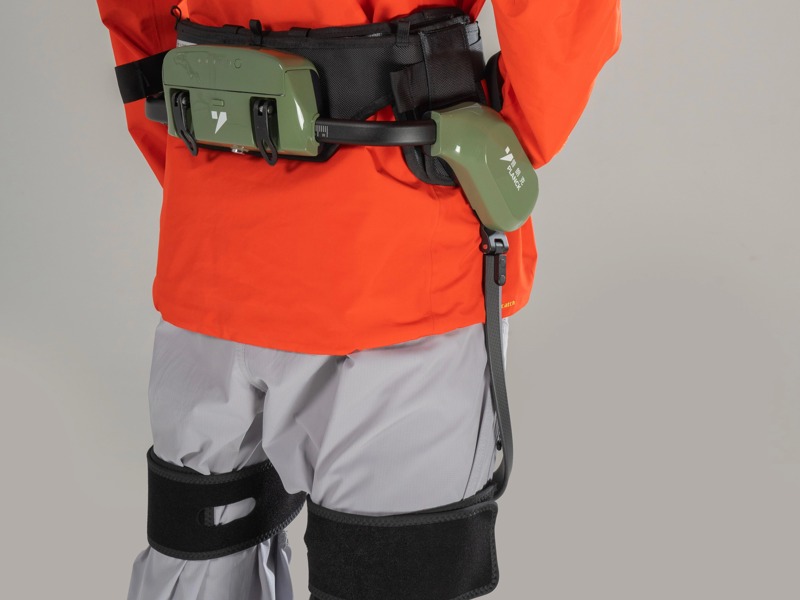
AI Gait Exoskeleton Explained: How Smart Sensors Help
2026-11-18 16:14:00An ai gait exoskeleton uses sensor data to recognize aspects of a person’s walking pattern and coordinate powered assistance with movement. The key idea is not simply to make a leg move; it is to detect what the wearer is doing and respond at an appr...
VIEW MORE -
Best AI Gait Exoskeleton Devices Reviewed for Accuracy
2026-11-13 16:14:00Choosing the best ai gait exoskeleton for accuracy means looking beyond a product description to how well the device detects movement, responds to the wearer, and performs in a defined walking task. This review guide sets out practical criteria for a...
VIEW MORE -

Buying Guide: What to Look for in an AI Gait Exoskeleton
2026-11-06 16:14:00Buying an ai gait exoskeleton requires more than checking a product description or comparing listed features. A useful evaluation connects the device to the intended walking task, the user’s capabilities, workplace conditions, and the support availab...
VIEW MORE -

Step by Step: How an AI Gait Exoskeleton Learns Your Walk
2026-11-02 16:14:00An ai gait exoskeleton does not simply apply the same movement pattern to every wearer. It observes how a person walks, estimates the rhythm and force of each step, then adjusts assistance within defined operating limits. Understanding this learning ...
VIEW MORE -

Mountaineering Mobility Robot vs Standard Exoskeleton
2026-10-26 14:01:13The choice between a mountaineering mobility robot and a standard exoskeleton represents a critical decision for expedition teams, search and rescue operations, and high-altitude logistics programs. Both technologies enhance human capability in extre...
VIEW MORE -

Lightweight Exoskeleton Guide: Comfort Meets Real Power
2026-10-19 13:00:00A lightweight exoskeleton represents a breakthrough in wearable robotic technology, designed to amplify human capability without imposing excessive burden on the wearer. Unlike traditional heavy exoskeletons that required significant physical effort ...
VIEW MORE -

Lightweight Exoskeleton vs Heavy Duty Models Compared
2026-10-16 10:00:00The choice between a lightweight exoskeleton and a heavy duty model fundamentally shapes operational efficiency, worker safety, and long-term investment returns. A lightweight exoskeleton offers mobility and accessibility for extended field work, whi...
VIEW MORE -

Best Lightweight Exoskeleton Devices Reviewed This Year
2026-10-12 10:00:00The demand for wearable robotics has surged across industries, from construction and logistics to healthcare and personal mobility. A lightweight exoskeleton represents one of the most transformative technologies in this space, enabling workers and i...
VIEW MORE -

Buying Guide: How to Pick a Truly Lightweight Exoskeleton
2026-10-08 10:33:00Selecting a truly lightweight exoskeleton requires careful evaluation of multiple factors beyond simple weight specifications. Industrial buyers and end-users alike face significant challenges when comparing options, since marketing claims often obsc...
VIEW MORE -
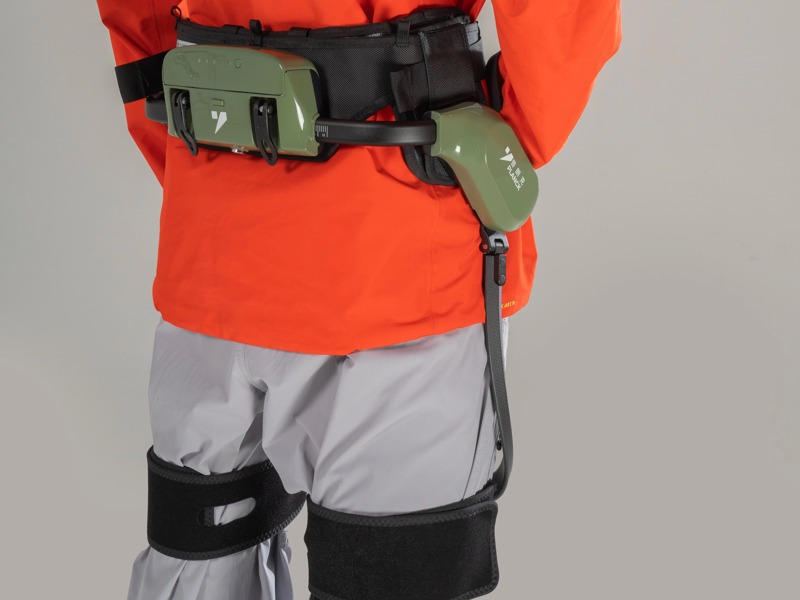
Fitness Power Assist Exoskeleton: Full Beginner Guide
2026-09-28 09:30:00A fitness power assist exoskeleton represents one of the most innovative technologies transforming personal fitness and rehabilitation training. These wearable robotic devices augment human movement by providing powered support to limbs, enabling use...
VIEW MORE -
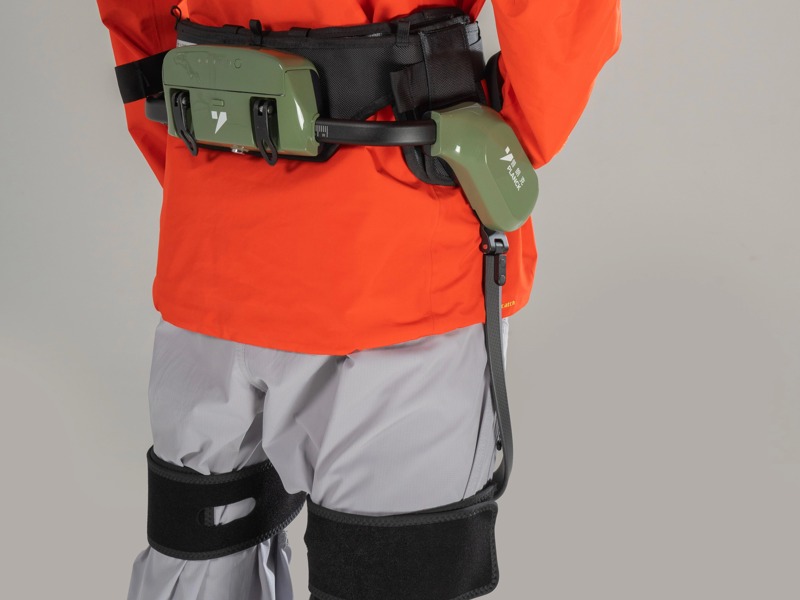
Best Fitness Power Assist Exoskeleton Reviewed in 2026
2026-09-22 13:00:00The fitness power assist exoskeleton has emerged as a transformative technology for rehabilitation, athletic training, and mobility enhancement in 2026. These wearable robotic systems amplify human strength, reduce physical strain, and enable users t...
VIEW MORE -
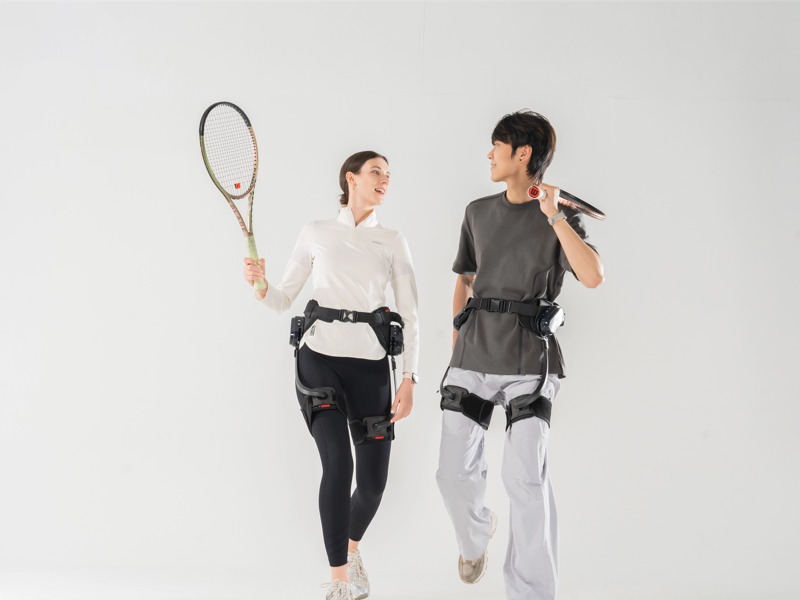
Trekking Assist Exoskeleton Guide: Walk Farther, Easier
2026-09-14 10:00:00A trekking assist exoskeleton represents a transformative technology designed to extend your hiking distance, reduce physical strain, and make challenging mountain terrain more accessible. Whether you're planning a multi-day expedition or tackling st...
VIEW MORE