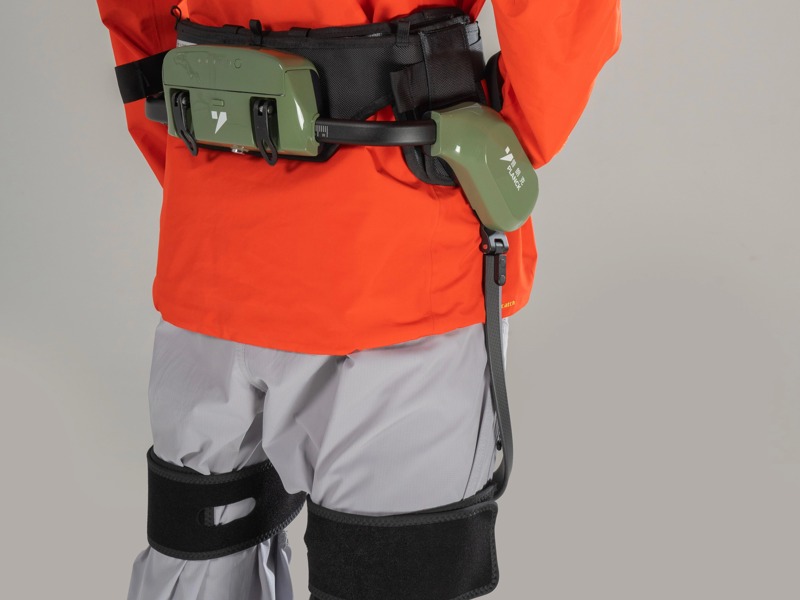
Choosing the best ai gait exoskeleton for accuracy means looking beyond a product description to how well the device detects movement, responds to the wearer, and performs in a defined walking task. This review guide sets out practical criteria for assessing those points, including the evidence a supplier should provide and the questions to ask the manufacturer before a trial.
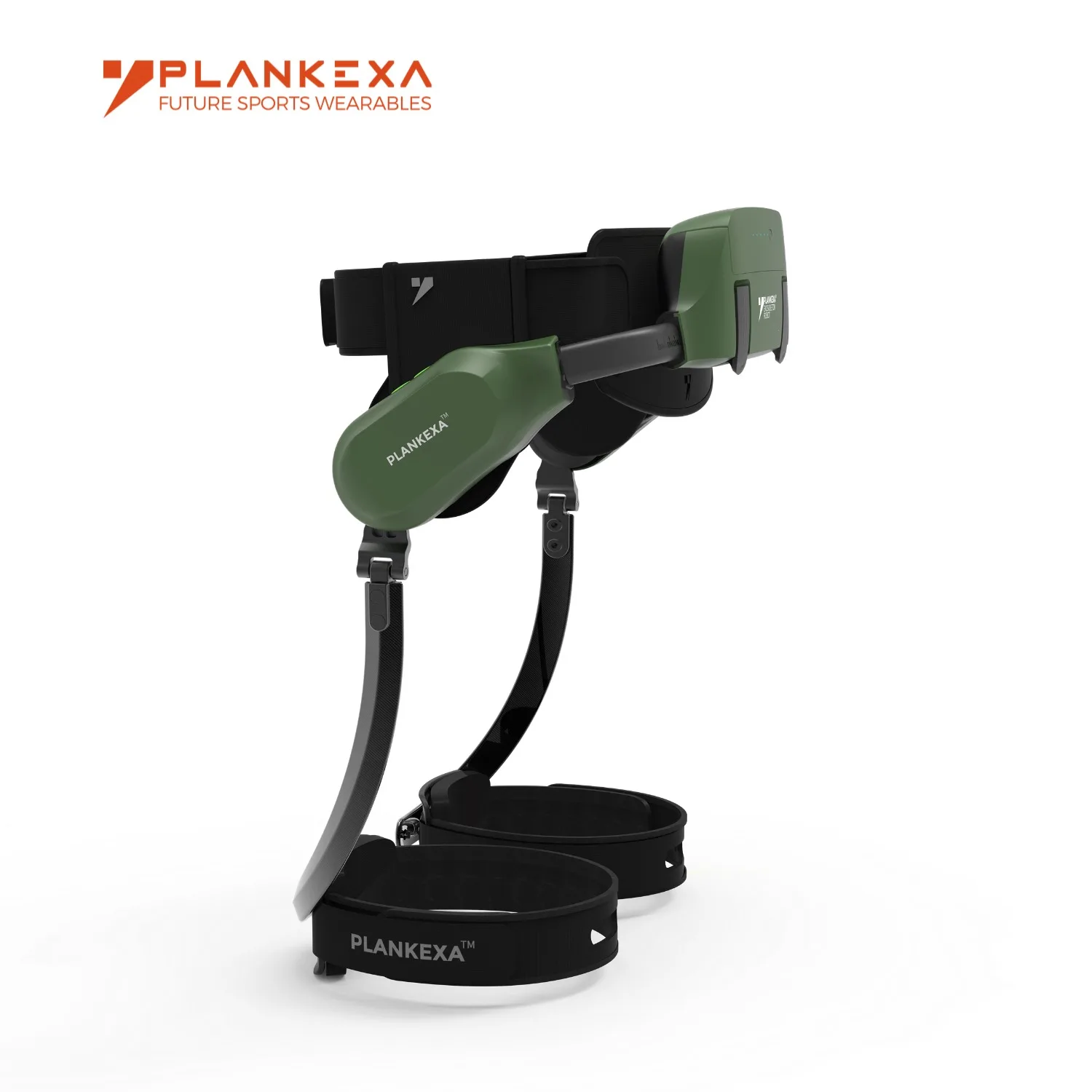
Accuracy is not a single score. It depends on sensing, assistance timing, fit, user variation, and test conditions, so devices should be judged against the same task and measurement method. The product page linked here describes a walking leg-assist robot; buyers should verify its capabilities directly with the supplier and manufacturer rather than infer clinical or field performance from a listing.
Accuracy criteria for an ai gait exoskeleton
Movement detection and assistance timing
A useful review starts by checking whether the device recognizes the wearer’s intended movement consistently. Ask the supplier which sensors inform gait recognition, what events trigger assistance, and how the manufacturer defines a correct response during walking, starting, stopping, and turning.
Timing matters because assistance that arrives too early or late can feel disruptive even when the system detects a step. Request a clear explanation of the manufacturer’s latency measurement and test setup, then ask the supplier whether results cover different walking speeds and repeated sessions.
Accuracy claims should identify the measured outcome, not rely on broad terms such as intelligent or precise. A responsible manufacturer can explain its evaluation method, while a capable supplier can provide the relevant documentation and clarify whether figures come from controlled tests, demonstrations, or user trials.
Fit, repeatability, and user variation
A device can appear accurate for one wearer yet respond differently when alignment or body dimensions change. During a review, ask the supplier how fitting is adjusted and whether the manufacturer has assessed repeated donning, varied limb lengths, and normal shifts in posture.
Repeatability is especially important in industrial rehabilitation, mobility support, or supervised training, where users may complete several sessions. Compare results across repeated walks rather than relying on one successful demonstration, and ask the supplier to explain how the manufacturer records fitting changes between trials.
Comfort and stability also influence the quality of an accuracy assessment. Loose straps, altered joint alignment, or unfamiliar controls can change gait, so the review should record setup conditions and give the supplier specific observations to discuss with the manufacturer before drawing conclusions.
A consistent review method for device accuracy
Define the task and measurement conditions
Begin with a task that reflects intended use, such as level walking, a controlled start, or a change in direction. Keep the route, footwear, assistance setting, and instructions consistent, then ask the supplier whether the manufacturer recommends any additional safety or calibration steps.
Record observable outcomes that match the task, including missed movement cues, unintended assistance, and the wearer’s ability to maintain a steady sequence. The supplier should help identify device settings, while the manufacturer should clarify what counts as a successful response under its stated test protocol.
Use more than one attempt and document the conditions for each run. Repetition helps distinguish a stable response from a one-off result, and a transparent supplier should be able to explain whether the manufacturer’s evidence includes repeat trials or only a limited demonstration.
Separate device behavior from user feedback
Technical observations and wearer feedback answer different questions. Note what the device did, then separately record whether assistance felt predictable, comfortable, or distracting; the supplier can relay specific issues to the manufacturer without treating subjective impressions as instrumented accuracy data.
Where possible, have an experienced evaluator observe the same task across sessions. Keep instructions neutral and avoid coaching that changes the wearer’s movement, then ask the supplier whether the manufacturer has a documented approach for reducing evaluator bias in its own testing.
A review should also state its limits. A short workplace demonstration cannot establish long-term reliability or suitability for every user, so the supplier should distinguish available evidence from unanswered questions and the manufacturer should identify which settings or populations were actually evaluated.
Procurement decisions based on review evidence
Verify claims and product documentation
Before comparing devices, request documentation that connects each accuracy claim to a test method, operating condition, and intended use. The supplier should provide current materials, while the manufacturer should be able to explain technical terms, known limitations, and any conditions required for valid results.
For a product described as lightweight or designed for walking assistance, verify the stated configuration and intended application rather than assuming those details predict accuracy. Ask the supplier for the exact model information and request that the manufacturer clarify which functions were assessed in testing.
Check whether the documentation distinguishes sensing accuracy from user outcomes, safety observations, and comfort feedback. These are related but not interchangeable measures, and a reliable supplier should help buyers interpret them without presenting the manufacturer’s marketing language as independent validation.
Plan a practical evaluation before purchase
A structured trial can reveal whether a device fits a site’s users, workflow, and supervision needs. Agree on the task, evaluation roles, adjustment process, and stopping criteria in advance, then ask the supplier what support the manufacturer can provide during setup.
Record issues that could affect repeat use, such as training time, control clarity, charging requirements, and adjustment between wearers. These operational factors do not prove gait accuracy, but they help a supplier and manufacturer understand whether the review reflects realistic deployment conditions.
Make the decision against written requirements rather than a general impression. If evidence is incomplete, identify the missing measurement and request clarification before treating the device as suitable; the supplier can coordinate follow-up, while the manufacturer remains the source for technical specifications and test details.
FAQ
What does accuracy mean in an ai gait exoskeleton review?
It means evaluating whether the device detects movement and provides assistance at the expected time under stated conditions. Ask the supplier which measures are available and have the manufacturer explain the test protocol, limits, and intended use.
Can a product demonstration prove walking accuracy?
A demonstration can show basic operation, but it cannot establish performance across users or repeated sessions by itself. Request trial conditions from the supplier and ask the manufacturer for supporting measurements before treating a demonstration as validation.
What should buyers request before an evaluation?
Request model details, fitting guidance, safety information, test methods, and clarification of claims. A supplier can organize the materials and trial, while the manufacturer should answer technical questions about sensing, assistance behavior, and evidence limits.