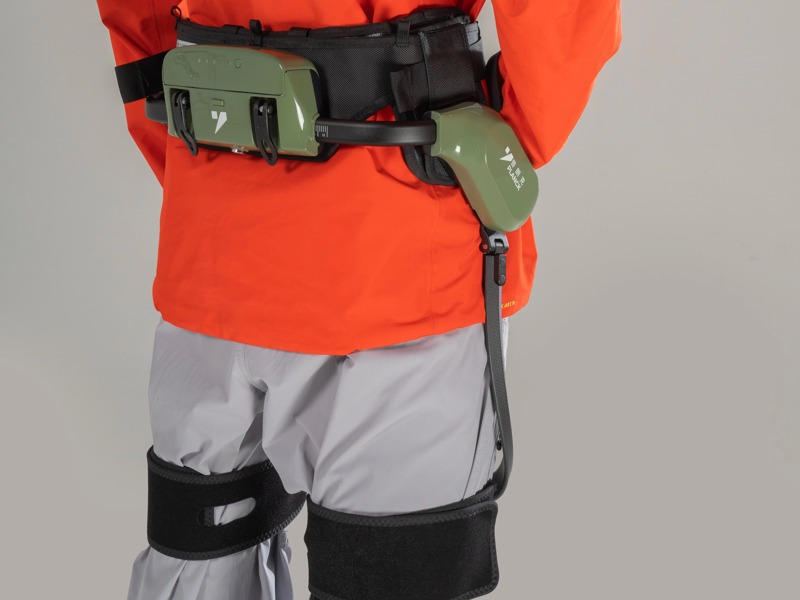
A fitness power assist exoskeleton represents one of the most innovative technologies transforming personal fitness and rehabilitation training. These wearable robotic devices augment human movement by providing powered support to limbs, enabling users to perform exercises with greater resistance, improved form, and reduced injury risk. Whether you're an athlete seeking advanced training tools or someone recovering from injury, understanding how a fitness power assist exoskeleton works is essential before making an investment in this cutting-edge equipment.
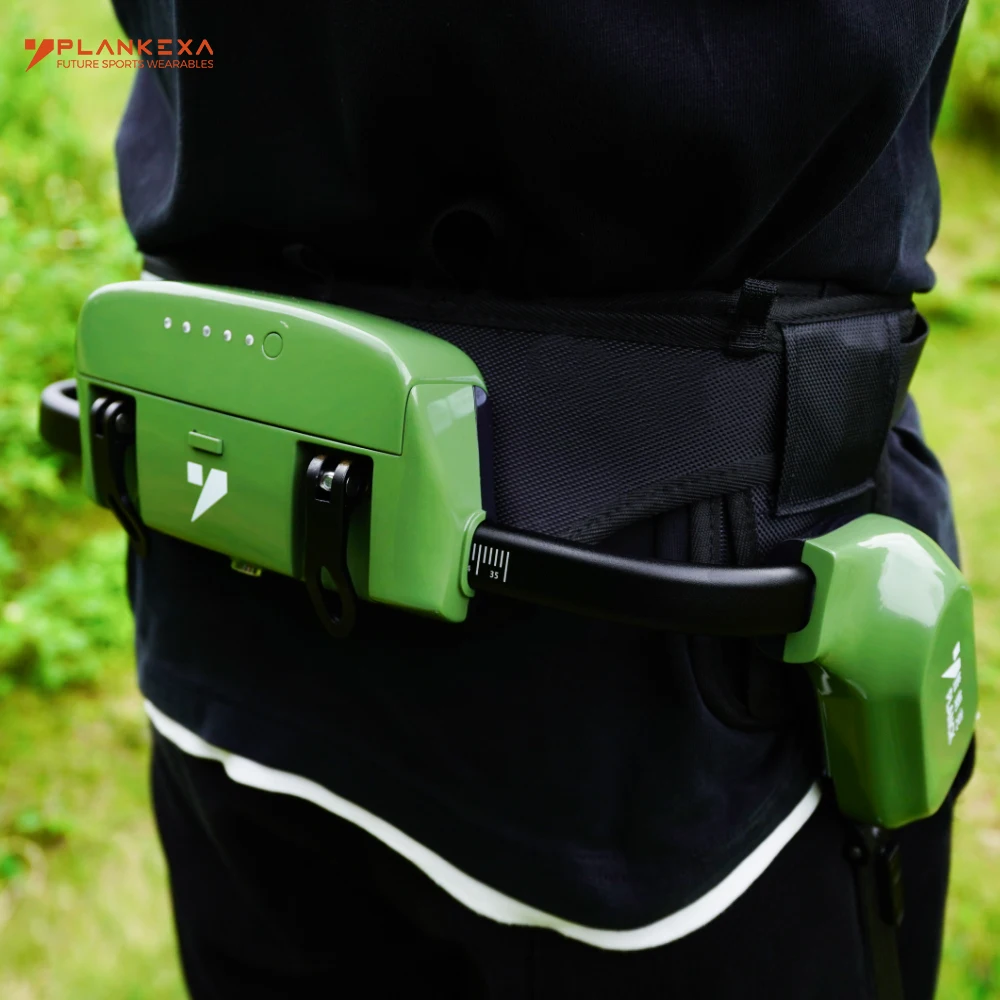
The technology behind these devices combines biomechanics, artificial intelligence, and motorized joint systems to create a seamless training experience. A qualified supplier or manufacturer designs exoskeletons to adapt to individual movement patterns, providing real-time feedback and resistance adjustment. This beginner guide walks you through the essential knowledge needed to evaluate, select, and effectively use a fitness power assist exoskeleton for your training goals.
Understanding Power Assist Technology Fundamentals
Core Components and How They Work Together
A fitness power assist exoskeleton consists of a frame, motorized joints, sensors, a battery system, and control software working in synchronized harmony. The frame distributes weight evenly across your body while the motorized joints at hips, knees, and ankles generate powered movement. Sensors track your natural motion patterns, allowing the system to anticipate your next move and apply assistance precisely when needed. Your supplier or manufacturer will provide documentation explaining how these components integrate into a cohesive support structure during training sessions.
Sensor Technology and Movement Recognition
Modern fitness power assist exoskeleton devices use advanced sensors including accelerometers, gyroscopes, and pressure sensors to interpret your intentions in real time. These sensors detect subtle changes in muscle activation and body position, enabling the exoskeleton to adjust resistance dynamically throughout each repetition. Machine learning algorithms continuously refine movement recognition based on your unique biomechanics, making each training session more personalized and effective than the last.
Key Benefits and Performance Advantages
Enhanced Training Load and Progressive Overload
One primary advantage of using a fitness power assist exoskeleton is the ability to safely increase training intensity without proportional joint stress. The motorized assistance allows you to perform high-repetition sets, explosive movements, or heavy resistance protocols while your exoskeleton absorbs and redistributes impact forces. This capability enables progressive overload training strategies that build strength, power, and endurance more efficiently than conventional training alone. A reliable supplier or manufacturer ensures the device is calibrated to your strength level and progressively adjusted as you improve.
Injury Prevention and Movement Quality
A fitness power assist exoskeleton actively guides your movement through optimal joint pathways, preventing compensation patterns and unsafe form degradation during fatigue. By maintaining consistent movement quality across all repetitions, the exoskeleton reduces cumulative stress on vulnerable structures like the lower back, knees, and shoulders. Rehabilitation professionals and performance coaches increasingly recommend exoskeleton-assisted training for athletes returning from injury or those seeking to extend their training career by minimizing overuse conditions.
Selecting the Right Device for Your Needs
Assessing Compatibility with Your Training Goals
Before purchasing a fitness power assist exoskeleton, clearly define whether your primary goal involves athletic performance enhancement, injury rehabilitation, strength building, or general fitness improvement. Different devices from various manufacturers emphasize different capabilities. Some focus on lower-body power development, while others provide multi-joint support for full-body training. A reputable supplier will conduct a needs assessment and recommend specific models aligned with your objectives, training frequency, and physical condition.
Evaluating Manufacturer Support and Warranty Coverage
The long-term value of a fitness power assist exoskeleton depends heavily on the manufacturer's ongoing support, software updates, and maintenance services. Quality manufacturers provide comprehensive training on proper use, regular calibration services, battery replacement programs, and customer support for troubleshooting issues. Before committing to a purchase, verify that your chosen supplier or manufacturer offers multi-year warranty coverage, replacement parts availability, and responsive customer service. This ensures your investment remains functional and supported throughout its operational lifespan.
FAQ
How long does it take to adapt to using a fitness power assist exoskeleton?
Most users require two to four weeks of consistent training to fully adapt to exoskeleton assistance. Initial sessions should focus on familiarizing yourself with the device's responsiveness, learning proper fit and adjustment procedures, and understanding how the powered assistance changes movement mechanics. A qualified supplier or manufacturer typically provides onboarding sessions that accelerate this adaptation period, ensuring you achieve optimal performance quickly while maintaining safety.
Can a fitness power assist exoskeleton replace traditional strength training equipment?
A fitness power assist exoskeleton works best as a complementary tool rather than a complete replacement for traditional equipment. While the exoskeleton excels at providing resistance, progressive overload, and form guidance, many training programs benefit from combining exoskeleton sessions with conventional free weights, machines, and bodyweight exercises. Your training approach should match your specific goals, and a knowledgeable supplier or manufacturer can recommend an integrated training structure that maximizes results.
What maintenance does a fitness power assist exoskeleton require?
Regular maintenance includes daily battery charging, weekly cleaning of sensors and frame joints, and monthly calibration checks performed by your manufacturer or authorized service center. Most suppliers provide detailed maintenance protocols and scheduled service programs as part of their product support. Proper maintenance extends device lifespan, ensures accurate sensor function, and maintains the exoskeleton's performance reliability for years of consistent training.