
Buying an ai gait exoskeleton requires more than checking a product description or comparing listed features. A useful evaluation connects the device to the intended walking task, the user’s capabilities, workplace conditions, and the support available after purchase. Procurement teams should assess fit, control, safety, service, and documentation together, then ask each supplier and manufacturer for evidence that addresses the actual use case.
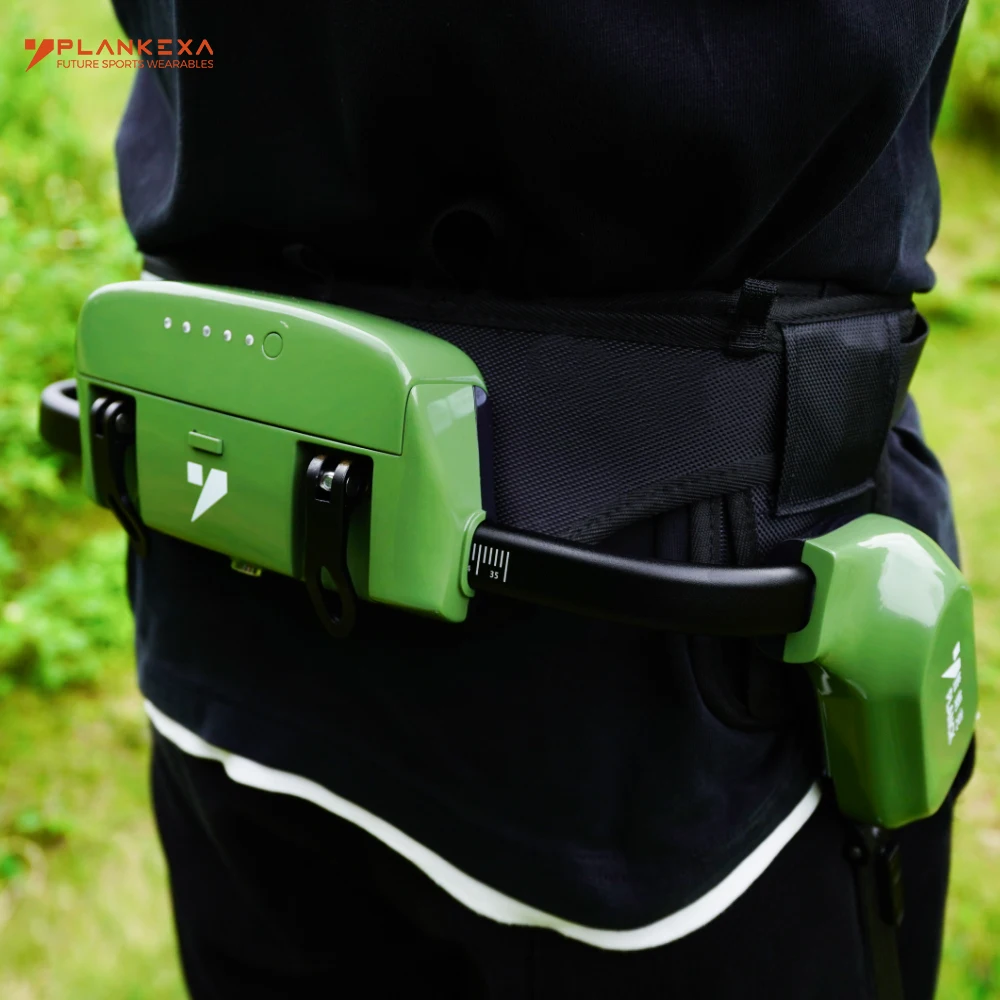
This buying guide focuses on the decisions that shape a practical shortlist. It explains how to define the application, evaluate the device and its controls, and verify the commercial and technical support behind it. Clear questions help a supplier explain limitations as well as capabilities, while a manufacturer should be able to provide specifications and operating guidance relevant to the intended user and environment.
Define the application before comparing devices
Match support to the walking task
Start by describing where and why the device will be used. A rehabilitation setting, a controlled demonstration, and repeated walking during industrial work create different requirements for supervision, movement, and daily handling. Specify the surfaces, slopes, walking duration, transitions, and assistance level involved. Give the supplier this context early so the manufacturer can clarify whether the device is designed for that task or whether additional assessment is needed.
Separate a general interest in mobility assistance from a defined operating need. Identify the intended user group, who will fit the device, and whether use will be supervised. Ask the supplier to explain the intended application and any exclusions in writing. A responsible manufacturer should distinguish supported use from situations requiring clinical judgment, specialist training, or a different mobility solution.
Check fit, adjustment, and user readiness
Fit is central because a wearable system must align with the user while allowing practical movement. Review available adjustment points, the fitting process, contact areas, and how the device accommodates clothing or footwear used on site. Ask the supplier how sizing is determined and whether a trained person must complete fitting. The manufacturer should provide clear fitting instructions and identify conditions that may prevent a suitable fit.
Consider donning and removal as part of the task, not as a minor detail. Users may need help, and staff may have limited time between sessions or shifts. Ask the supplier to demonstrate the process with the intended user profile, then confirm the manufacturer’s recommendations for training and routine checks. A product that is difficult to adjust may be unsuitable even if its core assistance appears relevant.
Evaluate movement, controls, and safety
Understand how assistance is delivered
Request a plain-language explanation of how the ai gait exoskeleton detects or supports movement. Clarify whether assistance follows user input, a preset pattern, or another control approach, and ask what adjustments are available. The supplier should explain the operating modes without relying on broad claims. The manufacturer’s technical material should describe the intended movement, setup requirements, and boundaries of each mode.
During a demonstration, observe starts, stops, turning, and transitions between walking and standing. These moments can reveal whether the user understands the controls and whether the device behaves predictably in the intended environment. Ask the supplier to explain what happens if the user pauses or needs to stop. Confirm that the manufacturer documents emergency stopping, shutdown, and recovery procedures in a form staff can use.
Review safeguards and operating limits
Safety review should cover both the device and the way people will use it. Ask about inspection before use, charging, cleaning, storage, and any environmental limits. The supplier should provide available safety documents and identify information that still needs confirmation. Request the manufacturer’s operating instructions, warnings, maintenance guidance, and training expectations before approving a trial or purchase.
A trial should use agreed criteria rather than an informal impression. Decide in advance what staff will observe, such as fit, ease of control, comfort over the planned session, and compatibility with the work area. The supplier can help arrange a demonstration, but the buying team should record results independently. Ask the manufacturer to clarify any observed issue and whether it falls within documented operating limits.
Verify supplier and manufacturer support
Check documentation and service arrangements
Compare the completeness of the information, not just the number of documents. Request specifications, user instructions, warranty terms, service procedures, and details of replacement parts where applicable. Ask the supplier who handles technical questions and how a service request is escalated. The manufacturer should identify the appropriate maintenance process and explain which work must be completed by trained personnel.
Clarify what support looks like after delivery. Confirm training availability, response channels, service coverage, and the process for reporting a fault. Ask the supplier to state which commitments are included in the quotation and which involve separate costs. The manufacturer’s role should also be clear, especially when the supplier is not the party responsible for technical updates, repairs, or product documentation.
Build a decision based on evidence
Use a written evaluation record to keep decisions consistent across stakeholders. Capture the application, user fit, control behavior, safety questions, documentation gaps, and support commitments. Score each requirement against evidence rather than assumptions. If the supplier cannot answer a technical point, record it as open and request clarification from the manufacturer instead of treating silence as confirmation.
Before placing an order, review the proposed configuration and confirm that it matches the demonstrated unit. Check included accessories, delivery expectations, training, warranty coverage, and service responsibilities. A final discussion with the supplier can resolve commercial details, while manufacturer documents should support technical and operational claims. This evidence-led process helps buyers choose an ai gait exoskeleton suited to the defined task, rather than relying on a feature list alone.
FAQ
What should a supplier provide before a trial?
Request intended-use information, fitting and operating instructions, safety guidance, training details, and a clear trial plan. The supplier should identify unresolved questions, while the manufacturer should provide relevant technical documents and operating limits.
How can buyers assess whether a device fits the application?
Define the user, walking task, environment, supervision, and expected session before a demonstration. Compare observed performance with those requirements, then ask the supplier and manufacturer to address any mismatch or limitation in writing.
Who should handle maintenance questions?
Confirm the service pathway before purchase. The supplier may coordinate support, but buyers should know whether the manufacturer provides technical guidance, approved repair procedures, parts information, or required maintenance training.