
Selecting a truly lightweight exoskeleton requires careful evaluation of multiple factors beyond simple weight specifications. Industrial buyers and end-users alike face significant challenges when comparing options, since marketing claims often obscure the real performance trade-offs between weight reduction, battery capacity, load-bearing capability, and durability. Understanding what truly defines a lightweight exoskeleton and how to assess one will ensure your investment matches your operational demands and budget constraints.
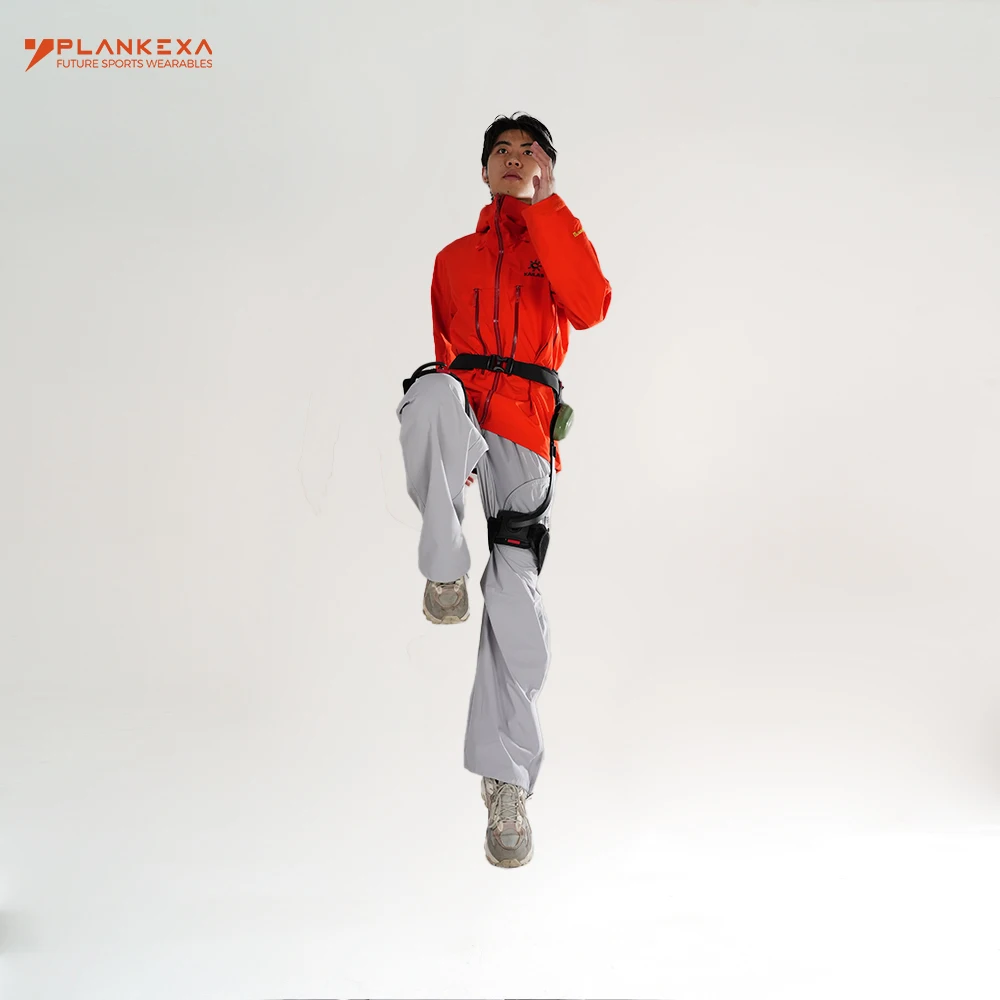
The global market for wearable robotic assistance has expanded rapidly, with countless manufacturer and supplier offerings flooding the market. However, not all lightweight designs deliver equal value or reliability. This guide walks you through the essential decision criteria that separate genuinely optimized exoskeletons from those that sacrifice critical performance features simply to reduce weight. By the end, you will understand how to evaluate any supplier's or manufacturer's specifications and make a confident purchasing decision aligned with your specific use case.
Understanding True Weight Versus Distributed Load
What Weight Really Means in Exoskeleton Design
A lightweight exoskeleton is not merely one that weighs less in absolute terms. What matters is how that weight distributes across your body and how the design handles the structural loads during operation. A poorly distributed lightweight system can feel heavier than a slightly heavier system with intelligent weight distribution because localized pressure points create fatigue and discomfort. Manufacturer designs that concentrate weight at the hips or shoulders create bottleneck stress zones, while truly optimized systems spread the load across larger surface areas.
When comparing manufacturer specifications, distinguish between the exoskeleton's bare weight and its total system weight, which includes battery, power electronics, and any attached sensors. A manufacturer claiming 2 kilograms might be quoting only the frame, while the complete operational system weighs considerably more. Reputable suppliers clearly itemize these components and explain how weight distributes across the user's body. This transparency reveals whether the manufacturer understands real-world usability or simply pursues marketing metrics.
The Role of Materials and Construction
Manufacturer selection of materials directly determines how lightweight an exoskeleton can be without sacrificing durability. Advanced composite materials like carbon fiber and aluminum alloys allow true weight reduction while maintaining structural integrity under load. Cheaper manufacturer approaches use heavier steel or plastic frames that either add bulk or compromise longevity. When evaluating a supplier's lightweight exoskeleton offering, request material specifications and ask about expected service life under your anticipated usage intensity.
Joint articulation points represent another critical design factor that separates exceptional lightweight systems from mediocre ones. A manufacturer that invests in precision-engineered joints uses less material overall while maintaining smooth, responsive movement. Conversely, poorly designed joints require reinforcement that adds hidden weight. Supplier documentation should explain bearing types, joint movement range, and how friction is minimized in the lightweight design framework.
Performance Metrics That Actually Matter
Assisted Load Capacity and Weight Ratio
The most important specification for a lightweight exoskeleton is not its own weight but its load amplification ratio, which describes how much weight assistance it provides relative to its own mass. A manufacturer offering a 10-kilogram system that amplifies your strength by 100 kilograms provides better value than a 3-kilogram system that amplifies by only 15 kilograms. Supplier comparison sheets should clearly state this ratio, allowing you to calculate whether the lightweight design actually reduces your perceived burden during real work tasks.
Battery endurance directly influences whether a lightweight exoskeleton remains practical for your workflow. A manufacturer that achieves weight reduction by installing an undersized battery might force you to charge multiple times during your shift, creating operational bottlenecks. Leading supplier offerings specify run time under typical load conditions and explain how battery placement affects the overall balance and comfort of the lightweight system. Ask any manufacturer how battery replacement occurs and whether swapping batteries is possible without specialized tools.
Response Time and Movement Smoothness
A truly lightweight exoskeleton must respond instantly to your movements without lag or jerky transitions. This requires rapid sensor-to-actuator communication and responsive motor control, which represent hidden design complexity that separates premium manufacturer offerings from budget alternatives. Supplier demonstrations should include dynamic movements like climbing stairs, crouching, and pivoting to reveal whether the lightweight design maintains responsiveness under varied conditions. Watch for hesitation, vibration, or delays that indicate the manufacturer cut corners in the control system to achieve weight targets.
Noise levels also correlate with design efficiency in a lightweight exoskeleton. A manufacturer using high-efficiency motors and precision-machined gearboxes produces minimal sound, while budget suppliers often substitute louder, heavier components. This matters in environments where noise restrictions apply or where loud operation would interfere with communication or concentration. Request actual decibel measurements from any manufacturer rather than accepting vague 'quiet' claims.
Evaluating Supplier and Manufacturer Credibility
Verification of Specifications and Claims
When a supplier or manufacturer claims their lightweight exoskeleton meets specific performance targets, request independent testing documentation or third-party certifications. Reputable suppliers provide load testing results, durability reports, and user feedback that validate their claims. Conversely, manufacturers relying solely on marketing language without supporting data warrant skepticism. Ask about warranty coverage, replacement policies, and whether the manufacturer stands behind the longevity of their lightweight design under stated usage conditions.
A manufacturer's history and industry reputation provide valuable context for evaluating a lightweight exoskeleton offering. Companies with established track records in robotics or ergonomic equipment typically invest more in research and development to create genuinely optimized systems. Newer suppliers may offer competitive pricing but often lack field-tested data about long-term reliability. Request case studies, reference customers, and user testimonials from your supplier before committing to any lightweight system, particularly for mission-critical applications.
After-Sale Support and Serviceability
A lightweight exoskeleton's true value depends on how easily your supplier provides ongoing support. Ask the manufacturer whether replacement parts are readily available, what training requirements exist for operation and maintenance, and how quickly they respond to technical issues. A supplier offering excellent support justifies a higher price, while one providing minimal assistance might cost less upfront but create substantial hidden expenses through downtime and inefficiency.
Consider the manufacturer's upgrade path and how they handle hardware obsolescence. A well-designed lightweight exoskeleton should accept software updates and component improvements without requiring complete replacement. Suppliers committed to long-term customer success design their systems for modularity and backward compatibility, while others obsolete older models quickly to drive repeat purchases.
FAQ
What weight should I expect from a truly lightweight exoskeleton?
Genuinely lightweight exoskeletons typically weigh between 2 and 5 kilograms without battery, depending on load-bearing requirements and materials used. However, total system weight including battery and control electronics often reaches 6 to 10 kilograms. A reputable manufacturer clearly specifies both component weights, allowing you to assess whether claimed 'lightweight' benefits justify your purchasing decision.
How do I compare offerings from different suppliers and manufacturers?
Create a standardized evaluation sheet listing load amplification ratio, battery run time, response latency, noise level, material composition, warranty coverage, and support availability for each supplier's lightweight exoskeleton. Request identical testing conditions and specifications from each manufacturer to ensure fair comparison. Prioritize suppliers who provide transparent, detailed information over those using vague marketing language.
Can a lightweight exoskeleton still handle heavy loads?
Yes, if the manufacturer has optimized the design correctly. A lightweight exoskeleton achieves weight reduction through material science and efficient engineering, not by limiting load capacity. However, verify the manufacturer's stated load rating and ensure it matches your actual requirements. Some supplier offerings sacrifice lifting capacity to achieve aggressive weight targets, so confirm that performance metrics align with your application before purchasing.