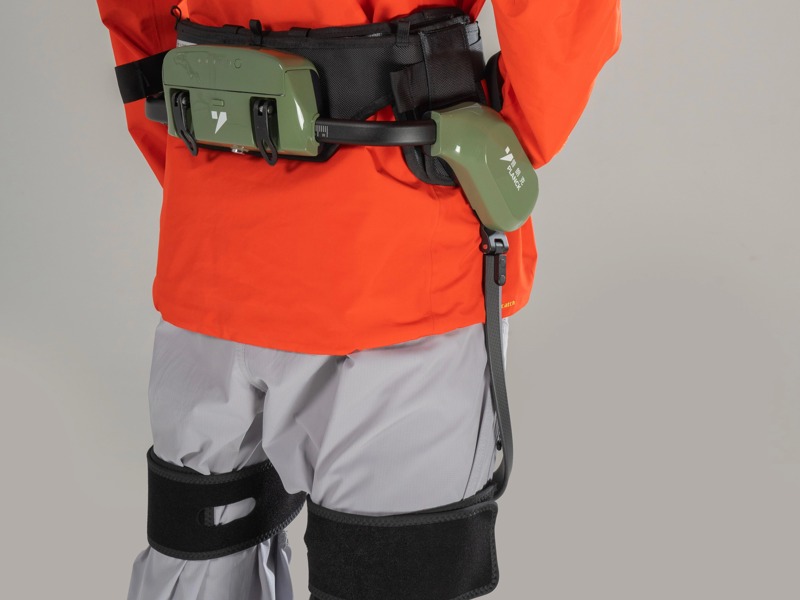
An ai gait exoskeleton uses sensor data to recognize aspects of a person’s walking pattern and coordinate powered assistance with movement. The key idea is not simply to make a leg move; it is to detect what the wearer is doing and respond at an appropriate moment. Understanding this sensor-to-assistance process helps technical teams evaluate use cases, requirements, and conversations with a supplier or manufacturer.
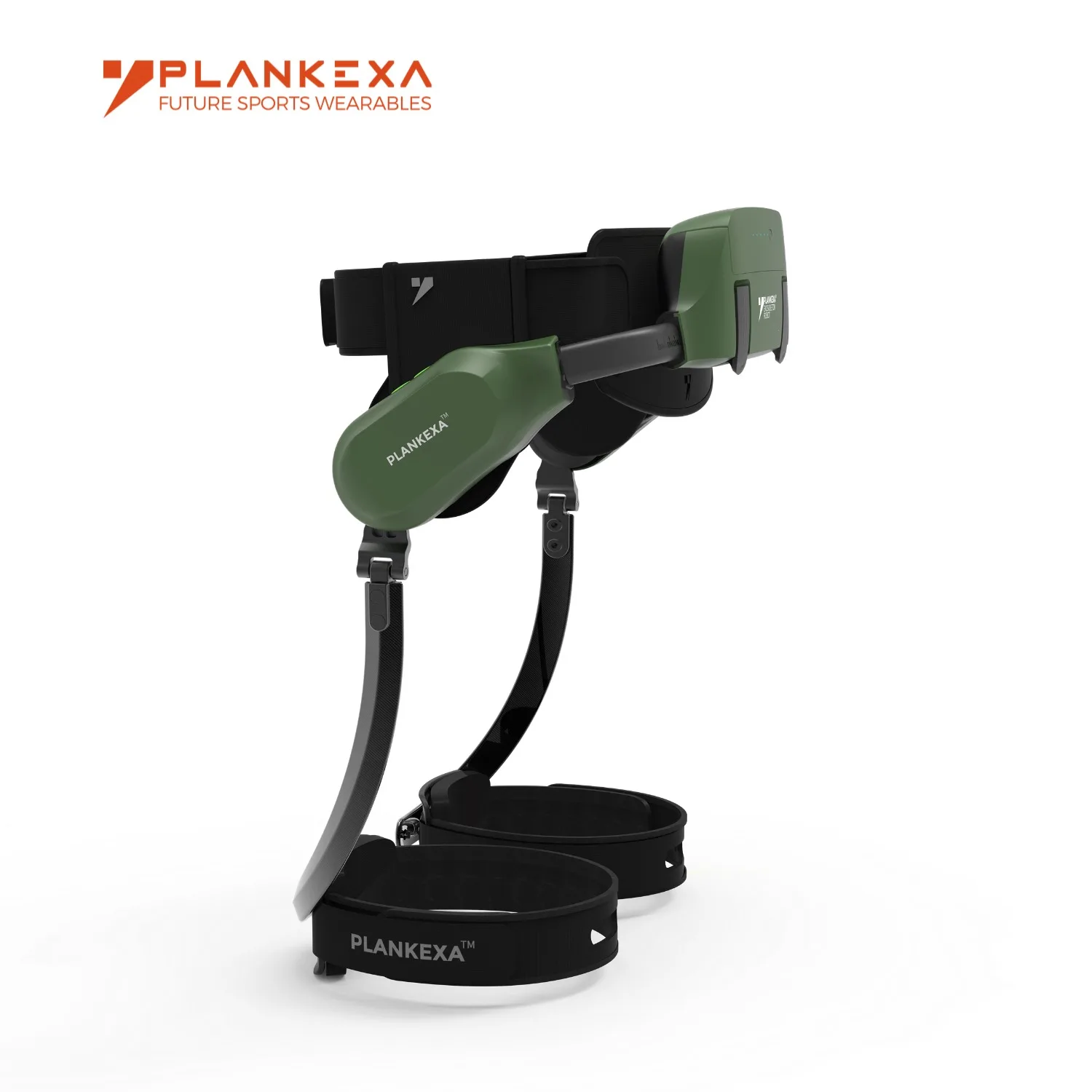
Smart sensing connects the wearer’s movement with the exoskeleton’s control logic. Sensors gather signals, software interprets them, and actuators provide assistance according to the device design. For a supplier or manufacturer discussion, this sequence gives buyers a practical framework: ask what the sensors measure, how responses are triggered, and how fit, setup, and operating conditions affect results.
How sensors interpret walking movement
Signals that describe gait
A gait system may combine motion, position, force, or pressure signals to understand where a step begins and how it progresses. The ai gait exoskeleton uses these inputs as clues rather than treating one reading as a complete description. A supplier should explain which signals the design uses, while the manufacturer can clarify sensor placement and the intended operating conditions.
For example, a change in limb angle can indicate that a leg is swinging forward, while pressure or load information may help distinguish stance from swing. The controller compares incoming readings with its movement logic. Ask the supplier how calibration is handled and ask the manufacturer whether sensor behavior is checked after fitting, because alignment can affect the signals the system receives.
From raw readings to movement intent
Individual readings are often noisy or incomplete, so control software evaluates patterns over time. It may combine several sensor inputs to infer a transition, such as the shift from standing support to a step. The supplier should describe the intended detection sequence, and the manufacturer should identify what setup information is needed for the device to interpret movement consistently.
This interpretation is not the same as understanding every intention or adapting perfectly to every person. Walking speed, surface, footwear, fatigue, and fit can all change the signal pattern. During evaluation, a buyer can ask the supplier what variations are within the operating scope and ask the manufacturer what user training or adjustment process is expected.
How sensor feedback guides assistance
Timing assistance through the gait cycle
After the controller identifies a movement phase, it can coordinate assistance with that phase. A system may support lifting or forward motion during swing and provide a different response during stance, depending on its design. The supplier should explain how timing is set, while the manufacturer can describe which components deliver the commanded assistance and what conditions affect their response.
Good timing depends on the full control chain: sensor reading, signal processing, decision logic, and actuator response. A delay or incorrect phase estimate may make assistance feel out of step. Ask the supplier how the control sequence is assessed and ask the manufacturer what checks are performed during commissioning, rather than assuming that a sensor label alone proves suitability.
Adjustment, feedback, and user control
Some devices allow settings to be adjusted for the wearer or task, while others use a more fixed control approach. Adjustment may involve assistance level, fit, or operating mode; available options differ by product. The supplier should provide clear information about supported settings, and the manufacturer should explain who can make changes and how the user is taught to operate them.
Feedback can also inform a wearer or clinician that the device is active, changing modes, or detecting a condition that needs attention. That feedback might be visual, audible, or tactile, depending on the system. In a product review, ask the supplier to demonstrate these cues and ask the manufacturer how the instructions address alerts, stopping, and safe recovery from an interrupted session.
Evaluating an AI gait exoskeleton in practice
Matching sensor design to the task
Start with the activity the device is expected to support: indoor walking, repeated training, or movement in a defined work setting. Each task brings different surfaces, speeds, and transition demands. A supplier can map stated capabilities to the use case, while the manufacturer can confirm intended boundaries, required accessories, and any conditions that call for professional assessment.
Fit and setup deserve attention alongside sensor specifications. A device must be positioned as intended, and users need to understand controls before use. Ask the supplier what measurements and fitting steps are documented, then ask the manufacturer how setup is verified and which adjustments are permitted. These questions connect sensor performance with the real interaction between person and equipment.
Reviewing documentation and support
Request a clear explanation of sensor types, control modes, charging and operating procedures, maintenance needs, and known limitations. A supplier should make relevant product information available for review; the manufacturer should identify the technical documentation and service guidance that apply to the model. Avoid treating broad AI language as evidence of a particular sensing method or clinical outcome.
A useful evaluation includes a demonstration suited to the intended user and setting, with trained personnel following the device instructions. Record what movements are tested, how the system responds, and what adjustments are made. The supplier can coordinate product questions, while the manufacturer can address design and service details. Keep observations separate from assumptions, especially when judging comfort, stability, and ease of operation.
FAQ
What sensors can an ai gait exoskeleton use?
Depending on its design, it may use motion, position, force, or pressure sensors, often in combination. Ask the supplier which sensors are present and ask the manufacturer how their signals contribute to movement detection. The specific configuration, not the AI label, determines what the device can sense.
Does sensor-based assistance adapt to every walking pattern?
No device should be assumed to suit every person or condition. Fit, setup, task, and operating limits matter. A supplier can explain intended use, and the manufacturer can clarify the device’s adjustment process. Suitability should be reviewed by qualified professionals where appropriate, following product instructions.
What should buyers ask before a product demonstration?
Ask what movements and settings the demonstration will cover, how the device is fitted, and what training is required. Have the supplier explain practical product details and the manufacturer clarify operating boundaries, maintenance, and support. This preparation makes the demonstration more relevant to the actual application.