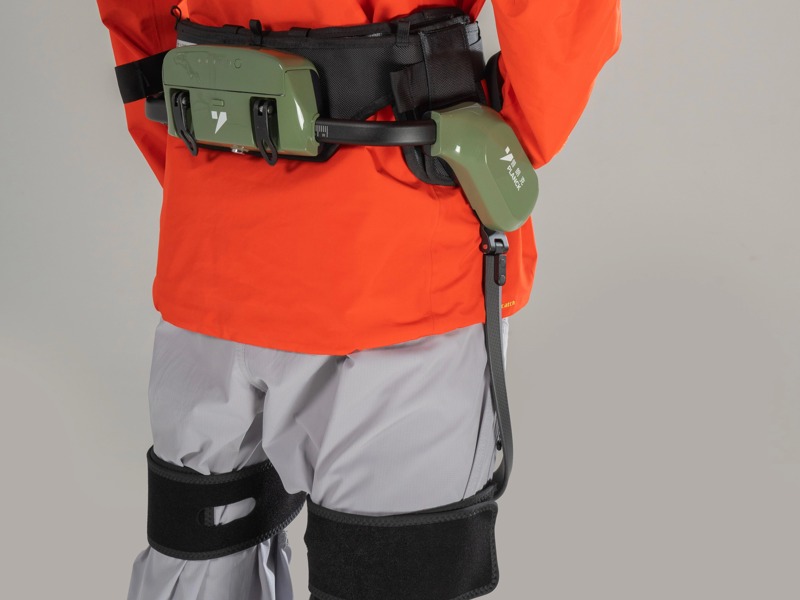
The fitness power assist exoskeleton has emerged as a transformative technology for rehabilitation, athletic training, and mobility enhancement in 2026. These wearable robotic systems amplify human strength, reduce physical strain, and enable users to perform activities that would otherwise be impossible. Whether you're recovering from injury, training for peak athletic performance, or seeking to maintain independence during aging, understanding what a fitness power assist exoskeleton offers becomes essential to making an informed choice.
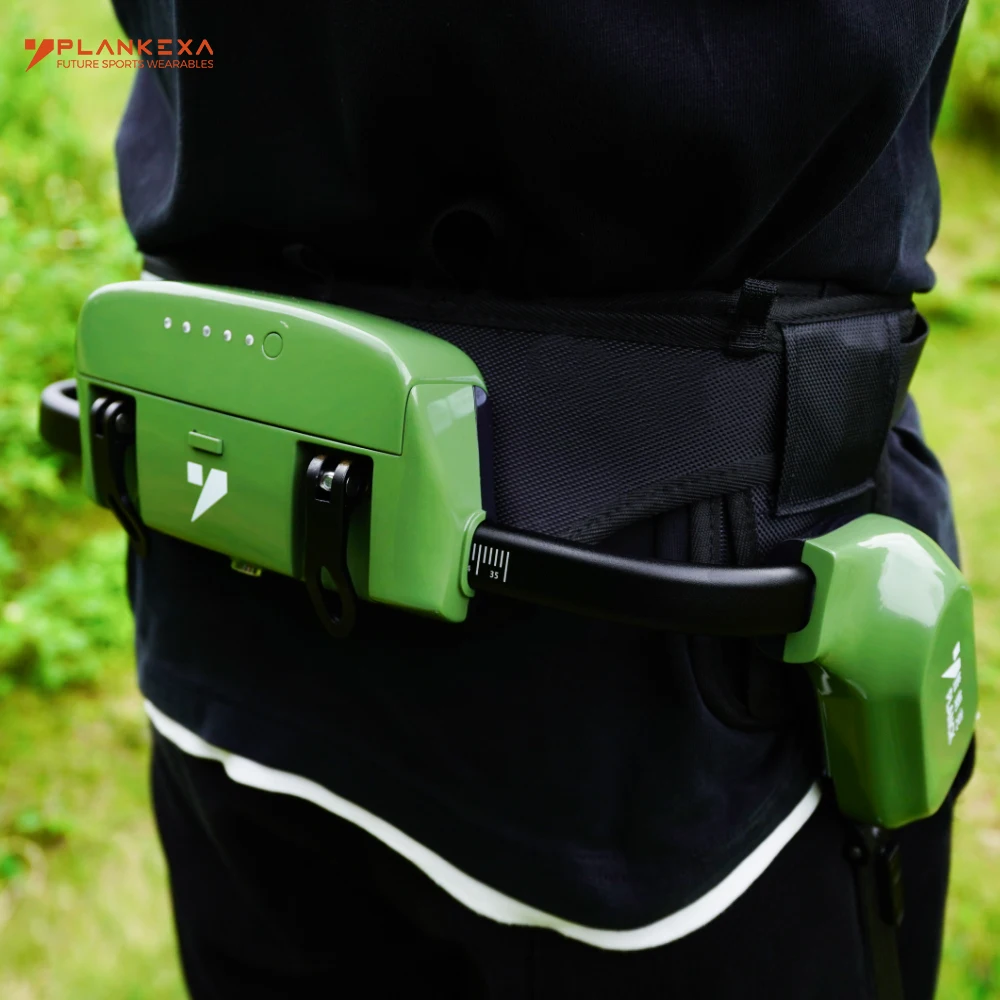
In this comprehensive 2026 review, we examine leading fitness power assist exoskeleton models, explore what distinguishes quality units from standard offerings, and help you identify the right solution for your specific needs. The technology landscape has matured significantly, with both established manufacturers and innovative suppliers now delivering sophisticated systems designed to support human performance across diverse applications. This guide provides the insights you need to evaluate options confidently.
Understanding Fitness Power Assist Exoskeleton Technology
How Modern Exoskeleton Systems Function
A fitness power assist exoskeleton operates by distributing weight and amplifying movement through motorized joints and structural frameworks that align with the human body. Sensors continuously monitor user motion, muscle activity, and environmental conditions, while algorithms adjust assistance in real-time. This synchronized support reduces metabolic demand and joint stress during repetitive or intense activities. Battery systems integrated into the exoskeleton provide sustained power for extended training sessions or mobility support throughout the day.
Core Components and Design Philosophy
Quality fitness power assist exoskeleton designs prioritize ergonomic fit, responsive actuation, and intuitive control interfaces. Leading supplier and manufacturer offerings include lightweight composite materials that minimize added weight while maintaining structural integrity. Motorized hip and knee joints, pressure-sensitive sensors, and adaptive damping systems work together to create natural movement patterns. The best models seamlessly assist human intention rather than imposing rigid movement patterns, allowing athletes and rehabilitation patients to maintain proper biomechanics while reducing physical burden.
Key Performance Factors in 2026 Models
Strength Amplification and Range of Motion
Modern fitness power assist exoskeleton systems deliver varying levels of assistance, from 25% to 50% force multiplication depending on configuration and user settings. This range enables both strength training applications and endurance activities. Superior manufacturer designs provide adjustable assistance profiles that scale with user demand, ensuring that lighter tasks receive proportional support while preventing over-assistance. Range of motion capabilities have expanded significantly in 2026, with advanced units accommodating natural movement variations across different body types and athletic disciplines.
Battery Life and Practical Runtime
A fitness power assist exoskeleton's practical utility depends heavily on battery endurance. Current leading supplier and manufacturer models deliver 4 to 8 hours of continuous operation under moderate assistance levels, with rapid charging capabilities enabling quick turnaround between sessions. Hot-swap battery systems allow extended activity by switching power cells without removing the exoskeleton. Battery management systems now incorporate predictive algorithms that optimize energy distribution and alert users to remaining runtime, preventing unexpected power loss during critical rehabilitation phases or training sessions.
Selection and Implementation Guidance
Matching Exoskeleton Type to Application
Selecting an appropriate fitness power assist exoskeleton requires clear alignment between intended use and system capabilities. Rehabilitation applications prioritize stability, controlled assistance, and safety monitoring, making supplier models with extensive sensor arrays and failsafe mechanisms essential. Athletic training scenarios benefit from higher force multiplication, responsive feedback systems, and minimal latency between user intention and mechanical response. A manufacturer offering comprehensive support documentation, customizable assistance profiles, and professional installation services becomes particularly valuable when integrating exoskeleton technology into clinical or sports performance environments.
Integration with Training Protocols
Effective fitness power assist exoskeleton implementation extends beyond hardware selection to encompass training program design, user acclimation, and performance monitoring. Leading supplier and manufacturer partners provide protocol guidance for progressive assistance reduction, biomechanical assessment, and outcome measurement. Users benefit from gradual introduction phases where exoskeleton support declines systematically, building strength and proprioceptive function independently. Professional guidance ensures that exoskeleton assistance enhances rather than diminishes natural motor control development and long-term functional independence.
FAQ
What makes one fitness power assist exoskeleton superior to another?
Quality differentiation centers on sensor responsiveness, material durability, battery efficiency, and manufacturer support consistency. Superior fitness power assist exoskeleton models feature multi-axis force sensors that deliver sub-100-millisecond response times, aerospace-grade composite construction withstanding repeated stress cycles, and manufacturer warranty coverage extending 3-5 years. Leading supplier offerings include comprehensive user training, data analytics dashboards tracking performance metrics, and ongoing technical support ensuring optimal safety and effectiveness throughout the equipment lifecycle.
Can a fitness power assist exoskeleton enhance athletic performance for non-injured users?
Yes, fitness power assist exoskeleton technology delivers legitimate performance benefits for competitive athletes and fitness enthusiasts. Research demonstrates that exoskeleton-assisted training increases work capacity, accelerates adaptation responses, and enables training volumes previously inaccessible due to physical limitations. Athletes employ exoskeleton assistance strategically during periodized training blocks to exceed normal training stimulus, then remove assistance for competitive events. Quality supplier and manufacturer systems designed specifically for athletic application provide the responsiveness and power multiplication necessary to drive measurable performance gains.
How long does adaptation to a fitness power assist exoskeleton typically require?
Most users adapt comfortably to a fitness power assist exoskeleton within 2-4 sessions, experiencing noticeable comfort improvements and movement confidence. Complete neuromuscular adaptation, where the body optimizes interaction patterns with the exoskeleton system, typically requires 6-8 weeks of regular use. Professional manufacturer and supplier training protocols accelerate adaptation by emphasizing proper donning procedures, posture alignment, and controlled assistance adjustment. Individual factors including prior exoskeleton exposure, baseline physical condition, and comfort with technology influence adaptation timeline.