
A trekking assist exoskeleton represents a transformative technology designed to extend your hiking distance, reduce physical strain, and make challenging mountain terrain more accessible. Whether you're planning a multi-day expedition or tackling steep elevation gain, this wearable robotic system works in tandem with your natural movement to amplify leg strength and endurance. The core value lies not just in walking farther, but in arriving at your destination with significantly less fatigue, allowing you to enjoy the experience rather than merely endure it.
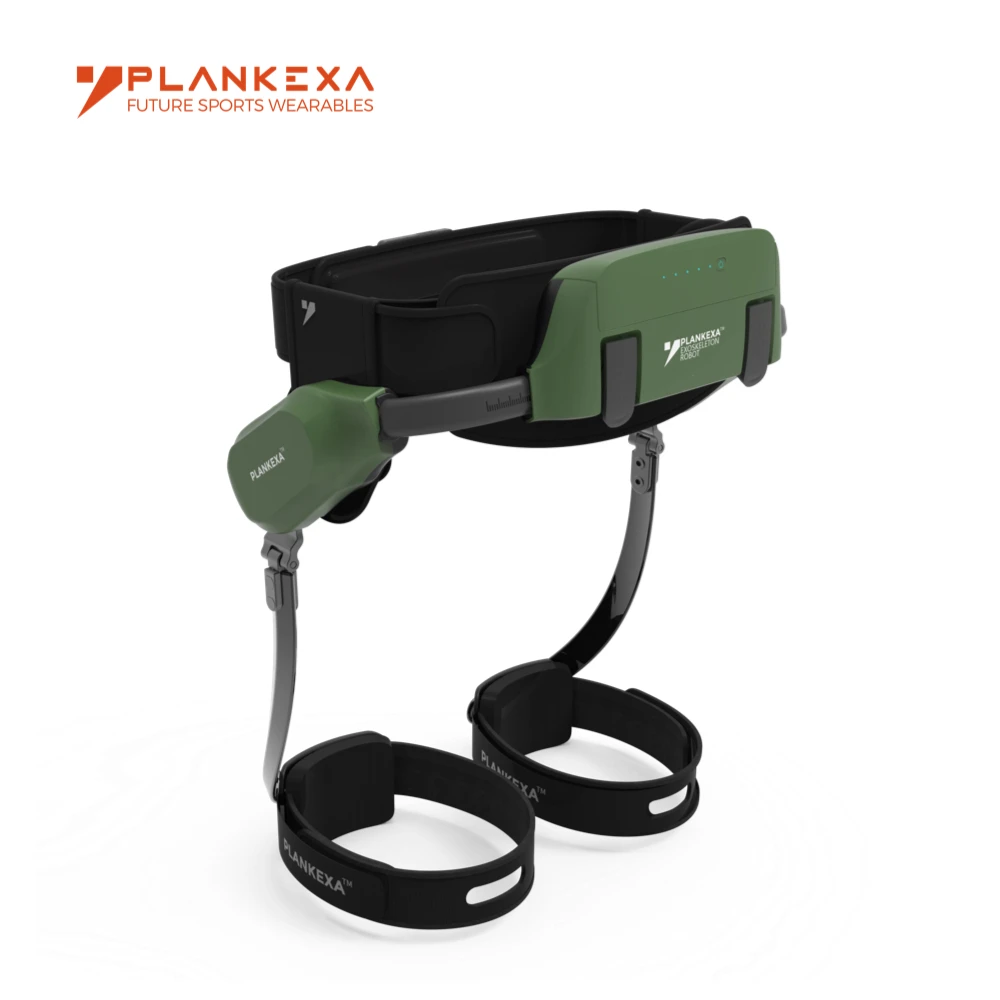
Modern outdoor enthusiasts face a practical challenge: physical limitations often constrain adventure scope. A trekking assist exoskeleton addresses this constraint directly by providing powered support during the most demanding phases of your hike. The technology distributes load more evenly across your body, reduces peak muscle activation, and minimizes joint stress. When selecting a trekking assist exoskeleton, understanding how these systems enhance your specific trekking objectives becomes essential to making an informed choice.
How Trekking Assist Exoskeleton Technology Enhances Hiking Performance
Load Distribution and Fatigue Reduction
A trekking assist exoskeleton distributes backpack weight and body weight more evenly across your lower body, particularly the hips, knees, and ankles. This redistribution means your leg muscles work more efficiently rather than bearing maximum strain at peak impact zones. Studies in biomechanics show that powered exoskeletons can reduce muscle activation in the quadriceps by up to thirty percent during extended hiking, directly translating to extended endurance. Your cardiovascular system operates at lower intensity, preserving oxygen availability for sustained effort over longer distances.
Powered Propulsion and Incline Navigation
Modern trekking assist exoskeleton designs include motorized joints that provide active propulsion during uphill sections. As you push forward, sensors detect your movement intent and the motors deliver supplementary force at critical joint angles. This technology proves especially valuable on steep terrain where traditional hiking becomes exponentially more demanding. Battery-powered systems are engineered for lightweight portability without compromising sufficient runtime for full-day treks, typically offering eight to twelve hours of continuous assistance on a single charge.
Selecting the Right Trekking Assist Exoskeleton for Your Needs
Evaluating Supplier and Manufacturer Specifications
When choosing a trekking assist exoskeleton, supplier reliability and manufacturer credentials matter significantly. Reputable suppliers and manufacturer partners invest in rigorous field testing, quality control, and long-term customer support infrastructure. Look for manufacturers with established relationships with outdoor testing organizations, documented safety certifications, and transparent warranty programs. A reliable supplier ensures you receive calibration support, replacement components, and technical guidance throughout the product lifecycle. Manufacturer transparency regarding load capacity, battery specifications, and durability ratings allows you to match the system precisely to your hiking profile and environmental conditions.
Weight, Durability, and Terrain Compatibility
The trekking assist exoskeleton you select must balance assistance capability with minimal added weight burden. Most contemporary systems weigh between fifteen and twenty-five kilograms, a trade-off that becomes worthwhile when you consider the load-bearing reduction they provide. Durability becomes critical in outdoor environments where your equipment encounters mud, water crossings, and rough terrain. Quality manufacturers design exoskeletons with sealed electronics, reinforced joint mechanisms, and corrosion-resistant materials. Terrain compatibility also matters—some systems excel on established trails with moderate gradient, while advanced models handle steep scrambling, boulder fields, and unstable ground with confidence through enhanced joint articulation and intelligent motor response.
Practical Benefits and Real-World Trekking Applications
Extended Distance Capability and Accessibility
A trekking assist exoskeleton fundamentally expands what distances and terrain types become feasible for individual trekkers. Distances that previously required extreme conditioning or posed safety risks due to accumulated fatigue become manageable with exoskeleton support. This technology democratizes access to remote mountain environments for enthusiasts who face age-related strength decline, previous injury recovery, or natural variation in athletic capacity. The psychological benefit proves equally significant—knowing you have mechanical support reserves reduces anxiety about overcommitment and enables more ambitious route planning.
Injury Prevention and Recovery Applications
Beyond performance enhancement, a trekking assist exoskeleton offers genuine value as an injury prevention tool. By reducing peak forces on joints and muscles, the technology minimizes cumulative stress that accumulates across multi-day expeditions. For individuals recovering from lower-body injury or managing chronic joint conditions, exoskeleton support enables return to wilderness trekking without re-injury risk. The controlled load distribution actively protects vulnerable joints during long descents, where eccentric muscle loading typically causes the most post-hike soreness and delayed recovery complications.
FAQ
How long does the battery last on a trekking assist exoskeleton during hiking?
Most contemporary trekking assist exoskeleton systems provide eight to twelve hours of continuous runtime on a full charge, depending on terrain difficulty, body weight, and motor assistance level selected. Steep mountainous terrain consumes battery faster than moderate trail hiking, so conservative estimates assume eight hours for challenging alpine conditions. Modern lithium battery technology enables rapid recharging in camp settings, typically achieving seventy percent charge in three to four hours with portable solar charging panels as supplementary power sources.
What is the typical weight range for a trekking assist exoskeleton?
A quality trekking assist exoskeleton typically weighs between fifteen and twenty-five kilograms, including motors, battery, structural frame, and control systems. This weight represents the current engineering balance between mechanical strength, battery capacity, and portability constraints. When calculating actual burden, consider that the exoskeleton absorbs and distributes loads that your body would otherwise carry, making the net fatigue impact substantially lower than the raw equipment weight suggests.
Can a trekking assist exoskeleton be used for multi-day expeditions?
Yes, a trekking assist exoskeleton performs exceptionally well for multi-day expeditions when combined with appropriate charging infrastructure. Planning your route near locations with power sources, carrying portable solar panels, or rotating backup battery packs enables continuous exoskeleton operation across extended treks. Many experienced mountaineers now integrate exoskeleton support into expedition logistics for extreme altitude attempts and remote wilderness journeys where traditional logistics would impose unacceptable energy demands.