
The choice between a lightweight exoskeleton and a heavy duty model fundamentally shapes operational efficiency, worker safety, and long-term investment returns. A lightweight exoskeleton offers mobility and accessibility for extended field work, while heavy duty alternatives deliver maximum load capacity for intense industrial environments. Understanding the differences between these two categories ensures organizations select the right technology for their specific use case, workforce demands, and budget constraints.
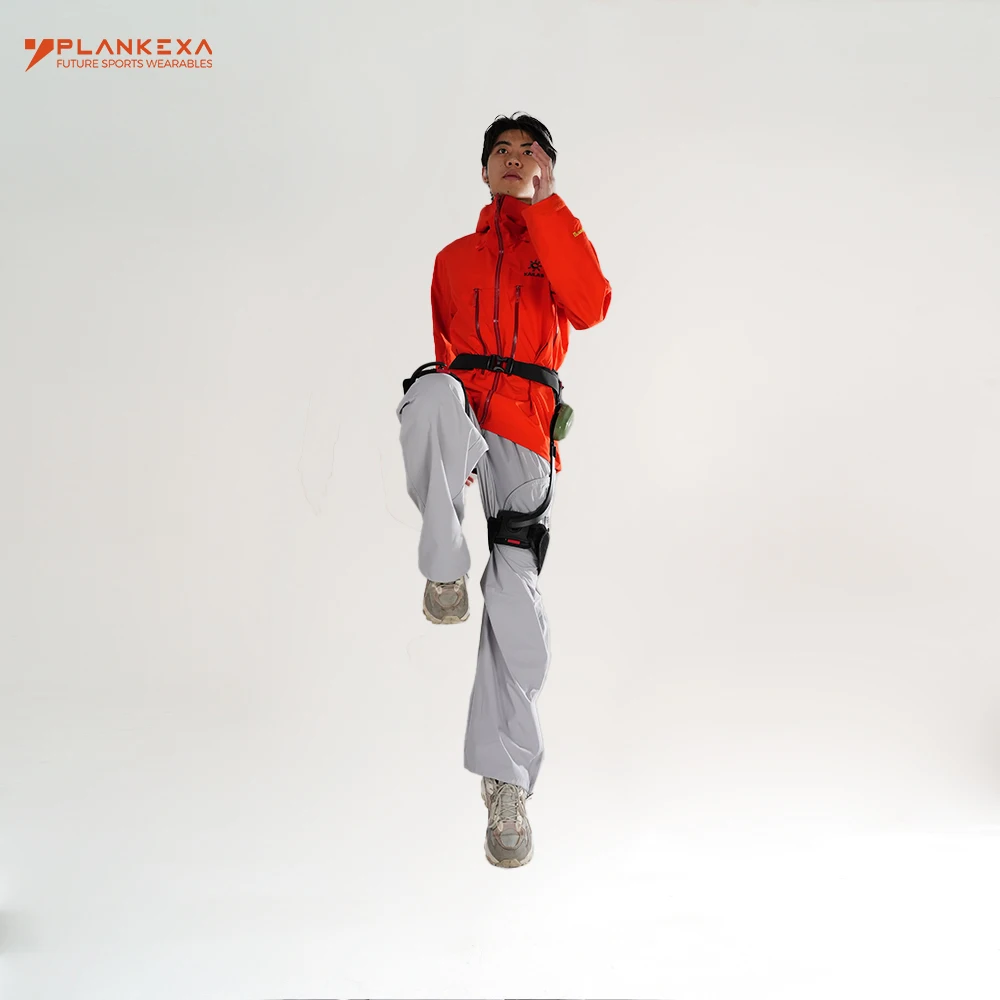
Exoskeleton technology has evolved rapidly, with manufacturers and supplier networks expanding across multiple industries. A lightweight exoskeleton typically weighs between two and eight kilograms, designed for tasks requiring mobility, precision, and sustained use throughout extended shifts. Heavy duty models, by contrast, often exceed fifteen kilograms and prioritize durability and load-bearing capacity over portability. Both categories serve distinct operational needs, and the decision between them requires careful analysis of worker requirements, environmental conditions, and performance objectives.
Performance and Load Capacity Differences
Load-Bearing Specifications
A lightweight exoskeleton typically supports additional loads ranging from five to twenty kilograms, making it ideal for repetitive tasks where workers move frequently between stations. Heavy duty exoskeleton models handle loads exceeding fifty kilograms, enabling workers to lift, carry, and manipulate significantly heavier materials without excessive fatigue. The lightweight version prioritizes freedom of movement and reduces muscle strain during precision work, whereas heavy duty systems focus on stabilizing the spine and joints against extreme compressive forces. Selecting the appropriate model depends on understanding the typical load ranges workers encounter in daily operations.
Battery Life and Operating Duration
Lightweight exoskeleton designs benefit from efficient power management, often operating eight to twelve hours on a single charge. Heavy duty models typically require more frequent recharging due to higher power consumption, though they maintain consistent performance under sustained maximum load conditions. A lightweight exoskeleton suits operations requiring extended mobility across large areas, such as warehouse picking or maintenance work. Heavy duty alternatives perform better in stationary or semi-mobile roles where workers remain in defined zones and maximum load support matters more than battery duration. Manufacturer specifications should always include realistic battery projections under actual working conditions, not just laboratory benchmarks.
Cost, Integration, and Supply Chain Factors
Initial Investment and Maintenance Costs
A lightweight exoskeleton generally costs thirty to fifty percent less than comparable heavy duty models, making it accessible to mid-sized organizations and operations with tighter equipment budgets. Heavy duty systems command higher prices due to reinforced materials, advanced engineering, and extended load capacity. However, total cost of ownership extends beyond purchase price to include maintenance, battery replacement, software updates, and workforce training. Supplier relationships significantly influence long-term costs, as authorized supplier networks typically offer better warranty terms, faster repairs, and genuine replacement parts. Manufacturer support consistency varies widely, so evaluating the stability and responsiveness of a manufacturer before commitment protects against future supply disruptions.
Supplier and Manufacturer Availability
The lightweight exoskeleton market includes numerous suppliers and manufacturers, creating competitive pricing and diverse options for organizations seeking flexibility in purchasing. Heavy duty models, serving niche industrial applications, often have fewer supplier alternatives, potentially limiting negotiation leverage and increasing dependence on specific manufacturers. Establishing relationships with multiple suppliers reduces risk and ensures backup options if a primary manufacturer faces production delays or discontinuation. A reliable manufacturer should provide transparent technical documentation, accessible customer support, and regular software updates to maintain system security and performance. When evaluating suppliers and manufacturers, assess their industry experience, customer references, and geographic proximity to your operations for faster service response.
Practical Application Scenarios and Worker Comfort
Mobility-Focused Operations
A lightweight exoskeleton excels in dynamic environments where workers navigate tight spaces, climb structures, or move between multiple work zones throughout shifts. Logistics centers, maintenance operations, construction sites, and agricultural settings benefit from the reduced fatigue and improved agility that lightweight models provide. Workers report less shoulder and neck strain during extended use, and the reduced overall weight means less additional burden on the wearer's legs and lower back during mobility. These characteristics make a lightweight exoskeleton particularly suitable for aging workforces seeking to extend productive careers while maintaining safety standards. The manufacturer should provide clear guidance on proper fitting and adjustment to maximize comfort during varied movement patterns.
High-Load Stationary Tasks
Heavy duty exoskeleton models serve assembly operations, heavy manufacturing, and load-handling roles where workers remain relatively stationary and load support is paramount. Steel fabrication, automotive assembly, and warehouse inventory management operations with maximum load requirements of thirty kilograms or higher benefit from heavy duty systems. Workers experience significant spinal protection and reduced musculoskeletal injury rates, particularly when handling loads at awkward angles or above shoulder height. Heavy duty systems often include more sophisticated control interfaces and real-time feedback mechanisms to optimize load distribution and prevent overuse injuries. A manufacturer specializing in heavy duty applications typically offers more customization options to match specific task profiles and workplace layouts.
Technical Specifications and Selection Framework
Comparative Decision Matrix
Selecting between a lightweight exoskeleton and heavy duty alternative requires systematic evaluation of operational requirements. Document the typical load ranges encountered daily, the percentage of time workers spend moving versus stationary, the environmental conditions including temperature and dust, and the required battery duration between charging windows. Lightweight exoskeletons perform optimally when average loads stay below fifteen kilograms and mobility exceeds fifty percent of the shift. Heavy duty models justify investment when loads consistently exceed twenty kilograms and workers remain primarily in defined work zones. Both technology categories require assessment of worker comfort preferences, training capacity, and organizational change management readiness. The manufacturer and supplier should support detailed pilot testing before full-scale deployment to validate real-world performance against laboratory specifications.
Long-Term Strategic Considerations
Organizations should view exoskeleton deployment as a multi-year investment requiring ongoing relationship management with manufacturers and suppliers. A lightweight exoskeleton may serve initial deployment phases while organizational experience grows, with potential transition to heavy duty models as process maturity increases. Conversely, heavy duty investments early on may limit workforce flexibility if operational strategies evolve toward more mobile tasks. Both categories benefit from regular manufacturer training updates as technology advances and industry best practices emerge. Establish clear key performance indicators tracking worker injury rates, productivity gains, equipment downtime, and workforce satisfaction to validate technology investment returns. Manufacturers committed to long-term partnership typically offer progressive software enhancements, extended warranties, and integration pathways that protect initial investments.
FAQ
What is the primary advantage of a lightweight exoskeleton over heavy duty models?
A lightweight exoskeleton prioritizes worker mobility and extended operational duration, making it ideal for roles requiring movement across large areas or frequent repositioning. The reduced weight burden allows workers to sustain activity throughout longer shifts with less cumulative fatigue. This advantage particularly benefits organizations prioritizing flexibility and worker comfort while managing moderate load requirements. Heavy duty alternatives sacrifice mobility for maximum load-bearing capacity, making them more suitable for stationary high-load operations.
How do I choose between a lightweight exoskeleton and a heavy duty model for my operation?
Start by analyzing your typical daily load ranges, the percentage of shift time spent moving versus stationary, and your workers' physical profiles and experience levels. If average loads stay below fifteen kilograms and mobility exceeds half the shift, a lightweight exoskeleton typically delivers better results and faster return on investment. Consult with manufacturers and suppliers who can perform detailed worksite assessments and pilot testing to validate technology fit. Document baseline metrics for injury rates, productivity, and worker satisfaction before deployment to measure actual performance gains after implementation.
What should I consider when evaluating a manufacturer or supplier for exoskeleton support?
Assess the manufacturer's technical documentation clarity, responsiveness to customer inquiries, geographic proximity for service support, and track record with similar industry applications. A reliable manufacturer provides transparent battery specifications, regular software updates, warranty terms that address typical operational scenarios, and accessible training resources for workforce adoption. Evaluate multiple suppliers to establish competitive pricing and ensure backup sourcing options if your primary partner faces disruptions. Long-term partnerships with manufacturers and suppliers committed to your specific industry deliver better customization, faster problem resolution, and more predictable total cost of ownership over the system's operational lifetime.