
The demand for wearable robotics has surged across industries, from construction and logistics to healthcare and personal mobility. A lightweight exoskeleton represents one of the most transformative technologies in this space, enabling workers and individuals to enhance strength and endurance while minimizing fatigue. Unlike bulkier industrial models, today's lightweight designs integrate advanced materials and intelligent power systems that reduce overall weight without compromising load capacity or durability. These devices have evolved significantly, offering practical solutions for demanding physical work and outdoor activities.
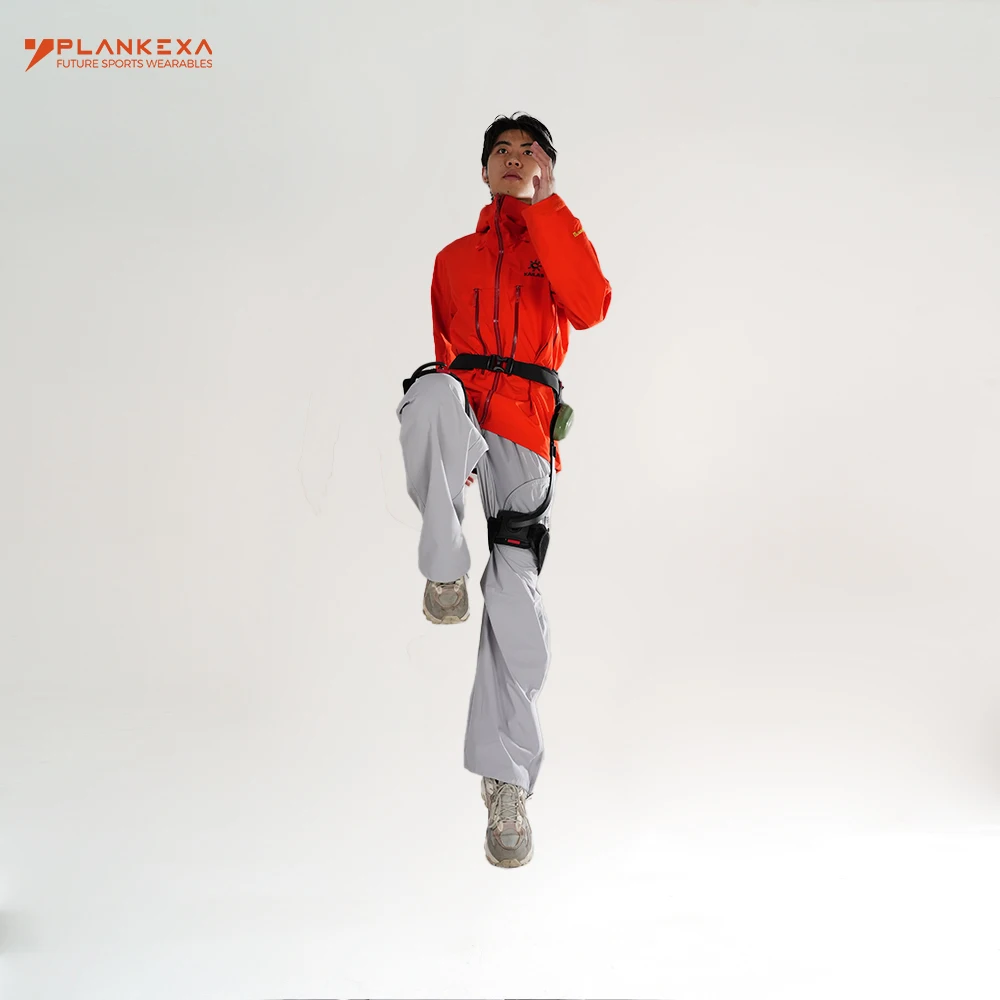
Choosing the right lightweight exoskeleton device requires understanding the key features that distinguish market leaders from standard offerings. Whether you need equipment for long-distance hiking, industrial support, or rehabilitation purposes, the right exoskeleton can significantly improve your physical capability and reduce strain on joints and muscles. This year's lineup includes innovations that address mobility, comfort, battery efficiency, and price accessibility, making wearable robotic support more achievable for mainstream adoption.
Core Technologies and Design Elements
Material Innovation and Weight Reduction
Modern lightweight exoskeleton manufacturers have prioritized material science to create devices that weigh as little as two to three kilograms while maintaining structural integrity. Advanced polymers, carbon fiber composites, and aerospace-grade aluminum form the foundation of contemporary designs. These materials allow exoskeleton devices to distribute load efficiently across the body without creating pressure points or excessive strain. The reduction in weight is critical because it directly affects user comfort during extended wear and reduces the metabolic cost of movement, which is essential for industrial workers and outdoor enthusiasts alike.
Motor and Actuator Systems
Modern lightweight exoskeleton units integrate compact electric motors and pneumatic actuators that respond intelligently to user movement. Artificial intelligence algorithms analyze gait patterns and adjust assistance in real time, allowing the exoskeleton to provide support exactly when needed. Suppliers and manufacturers now offer modular actuator systems that can be customized for specific tasks, whether lifting loads, climbing, or walking long distances. This intelligent adaptation means users experience natural movement while benefiting from augmented strength without feeling restricted by bulky machinery.
Performance Features and Practical Applications
Load Capacity and Assistance Range
Today's lightweight exoskeleton devices can support additional loads ranging from 15 to 50 kilograms depending on the model and configuration. Despite their minimal weight, these devices excel at distributing heavy loads across multiple body joints, preventing concentrated stress on the back, knees, or shoulders. Whether a warehouse worker needs to move packages throughout the day or a construction professional carries tools up scaffolding, the right exoskeleton minimizes injury risk. Manufacturer specifications now clearly indicate assistance range, allowing buyers to select devices matched to their specific physical demands and work environment requirements.
Battery Performance and Runtime
Battery life represents a critical factor for professional and recreational users. Leading lightweight exoskeleton suppliers have developed compact lithium polymer batteries that provide eight to twelve hours of continuous operation on a single charge. Rapid charging capabilities mean devices can be recharged during lunch breaks or overnight, fitting seamlessly into existing work schedules. Advanced battery management systems monitor power consumption in real time and optimize assistance levels based on remaining charge, ensuring the exoskeleton performs reliably throughout the user's workday or adventure.
Selection Criteria and Market Comparison
Comfort, Fit, and Wearability
A lightweight exoskeleton must distribute weight evenly across the torso, hips, and legs to ensure comfort during extended use. Premium models feature adjustable harnesses, breathable padding, and ergonomic joint designs that accommodate various body types and sizes. Fit quality directly impacts user adoption and long-term effectiveness, as an ill-fitting device causes discomfort that discourages regular use. Reputable suppliers now provide detailed sizing guides and customization options, allowing users to achieve optimal comfort and functionality. This focus on wearability distinguishes professional-grade equipment from experimental prototypes.
Durability, Maintenance, and Support
Industrial-grade lightweight exoskeleton devices are engineered to withstand harsh environments, moisture exposure, and repeated stress. Quality manufacturers design joints and connections to resist wear, and many offer modular components that can be replaced without replacing the entire unit. Comprehensive warranties, technical support, and spare parts availability indicate manufacturer commitment to long-term customer success. When evaluating suppliers, consider the availability of maintenance resources, warranty length, and responsiveness to technical issues. Strong after-sales support ensures your investment remains functional and productive for years.
FAQ
How much weight can a lightweight exoskeleton typically support?
Most lightweight exoskeleton devices on the market can support between 15 and 50 kilograms of additional load, depending on the specific model and design. Smaller units designed for mobility assistance may support less weight, while industrial-grade models engineered by specialized manufacturers offer higher capacity. The exact load capacity should be verified against manufacturer specifications before purchase to ensure the device meets your intended application. Always follow weight limits to maintain safety and device longevity.
What is the typical battery life of modern lightweight exoskeletons?
Contemporary lightweight exoskeleton devices generally provide eight to twelve hours of battery life per full charge, though this varies based on usage intensity and assistance level. Battery performance depends on factors such as terrain difficulty, user weight, and load being carried. Many models feature intelligent power management that extends runtime by optimizing assistance delivery. Consulting manufacturer specifications and user reviews can help you understand real-world battery performance for your specific use case.
How do I choose between different lightweight exoskeleton suppliers and manufacturers?
Evaluate suppliers and manufacturers based on device weight, load capacity, battery life, warranty terms, customer support quality, and price. Consider your specific application needs and whether the exoskeleton is designed for industrial work, outdoor recreation, or rehabilitation. Research supplier reputation through independent reviews and industry certifications. Compare the total cost of ownership, including maintenance and spare parts availability. Strong manufacturers typically offer detailed product documentation, responsive customer service, and clear guidance for selecting the right device for your needs.