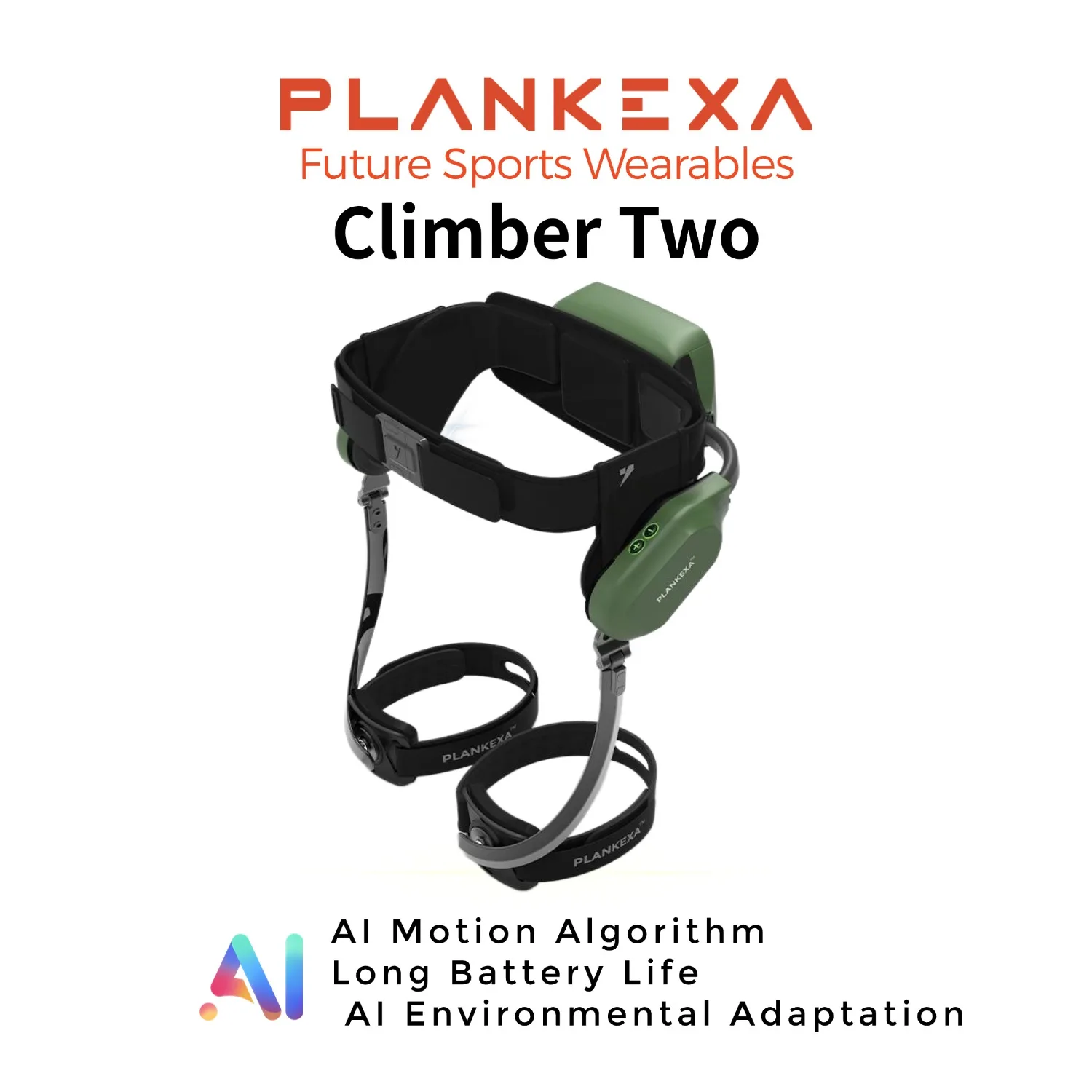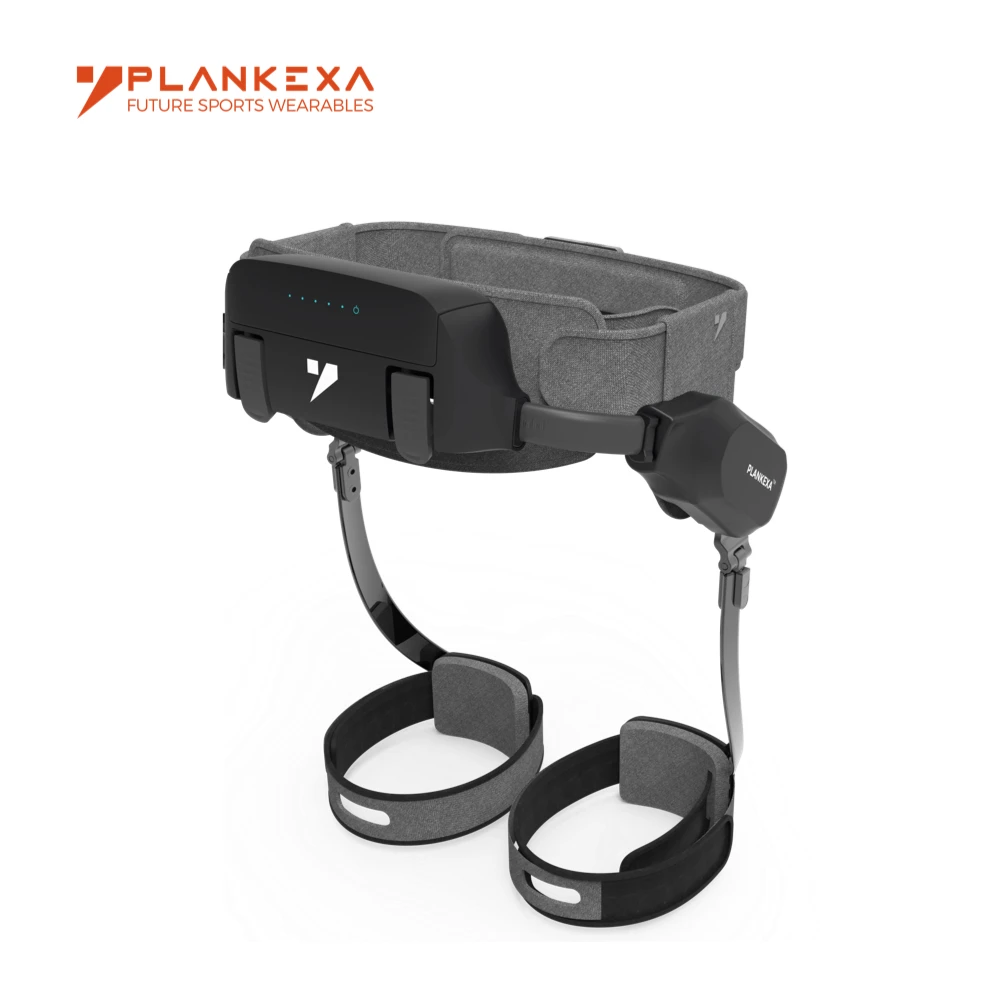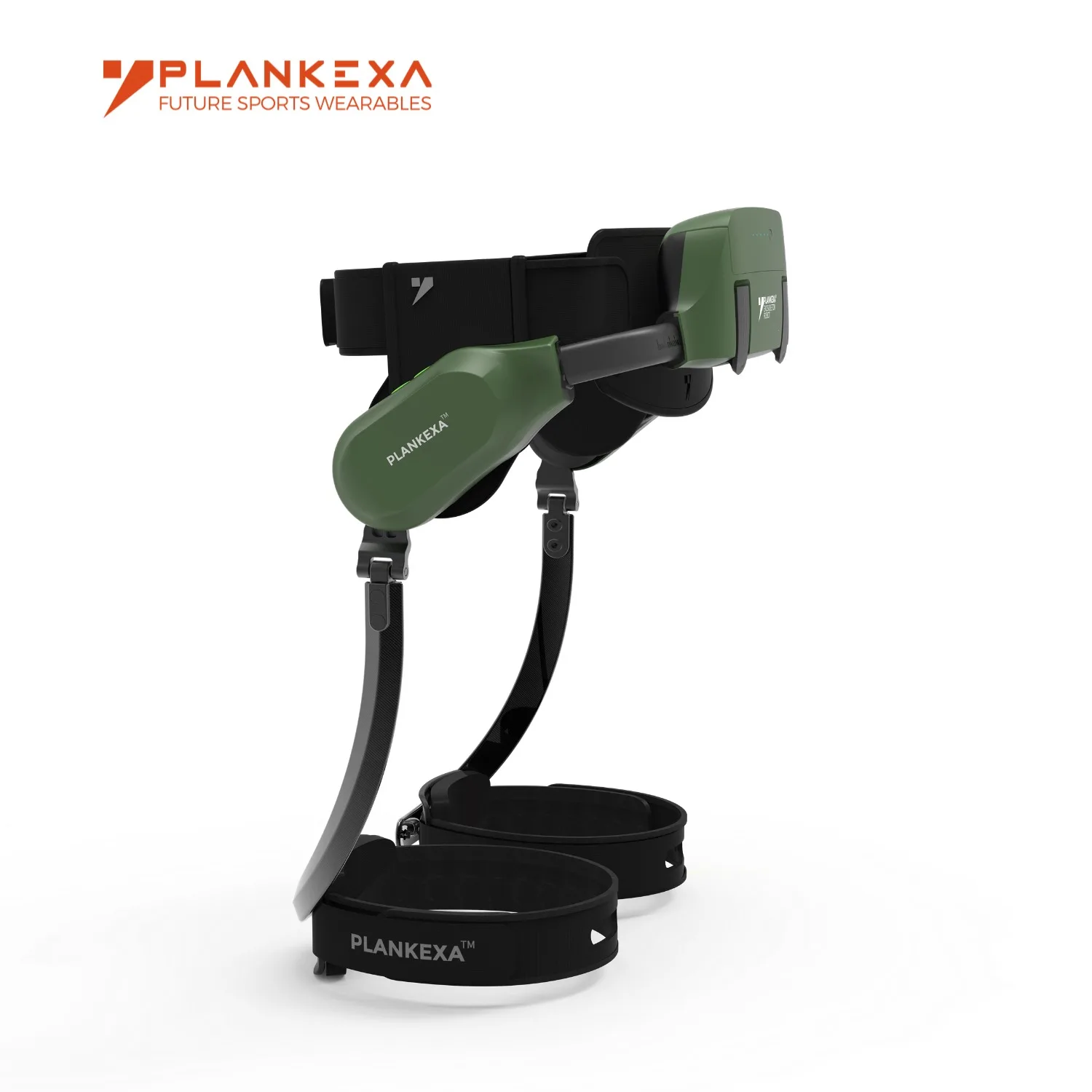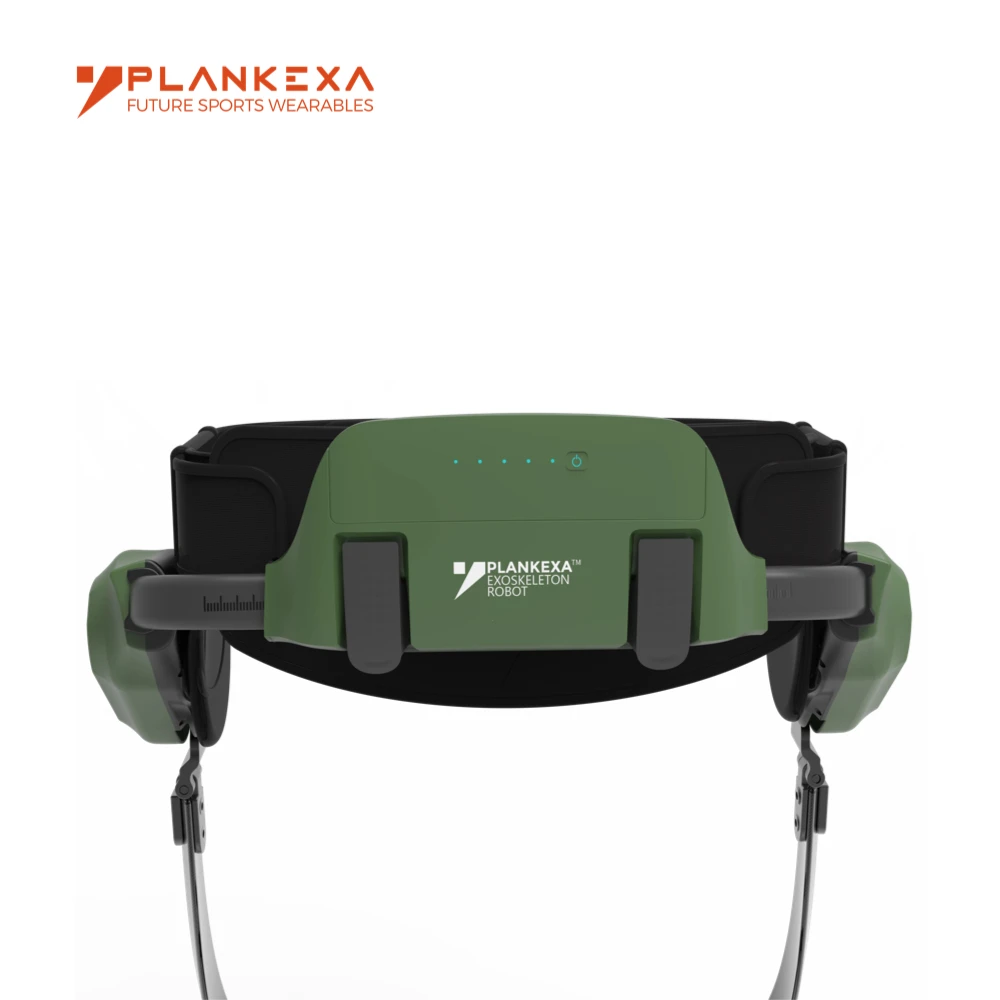
An exoskeleton is a wearable electromechanical auxiliary device combining bionic mechanical structures, sensing technology and intelligent control systems, widely applied in industrial labor protection and medical rehabilitation fields. It is generally divided into passive and powered types. Passive exoskeletons adopt lightweight high-strength materials such as carbon fiber and aviation aluminum, relying on elastic structures to share the pressure on the waist, back and shoulders during frequent lifting, bending and long-time standing work. It effectively relieves muscle fatigue and greatly reduces the incidence of occupational strains in logistics, construction and manufacturing industries. Powered exoskeletons are equipped with precision sensors and servo drive modules, which can capture the wearer’s movement intentions in real time and output stable auxiliary torque. They assist patients with paraplegia, hemiplegia and lower limb weakness to complete standing, walking and gait training, preventing disuse muscle atrophy and joint contracture caused by long-term wheelchair use. Most exoskeletons support multi-dimensional size adjustment and are fitted with safety functions including emergency stop and anti-fall protection. With continuous technological optimization and commercial popularization, exoskeletons have become essential intelligent equipment for safeguarding worker health and helping mobility-impaired groups restore self-care ability.