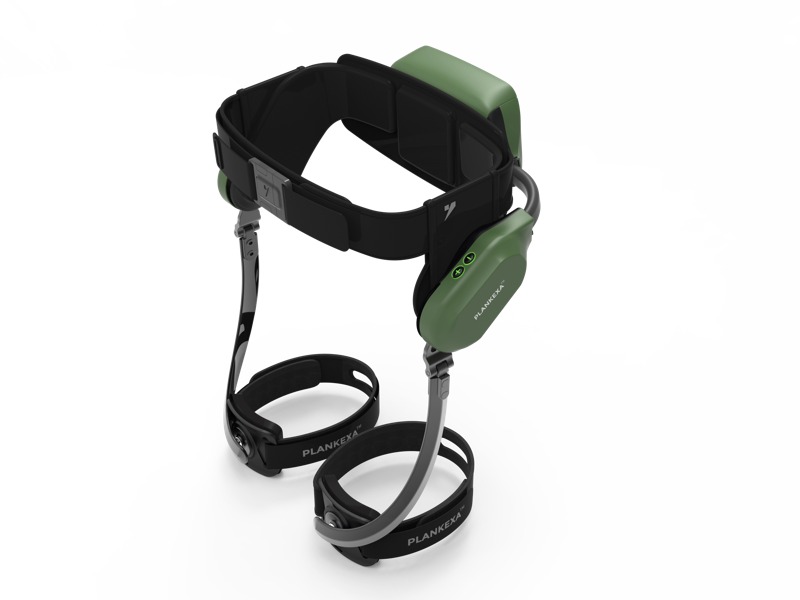
An exoskeleton robot for walking represents a transformative technology designed to augment human movement, reduce physical strain, and restore mobility to users with varying capabilities. Whether used in rehabilitation settings, industrial environments, or for elderly care, an exoskeleton robot for walking combines mechanical support with intelligent power systems to enable smoother, more efficient locomotion. Understanding how this advanced device operates and integrates into daily life is essential for anyone considering its adoption or deployment in professional settings.
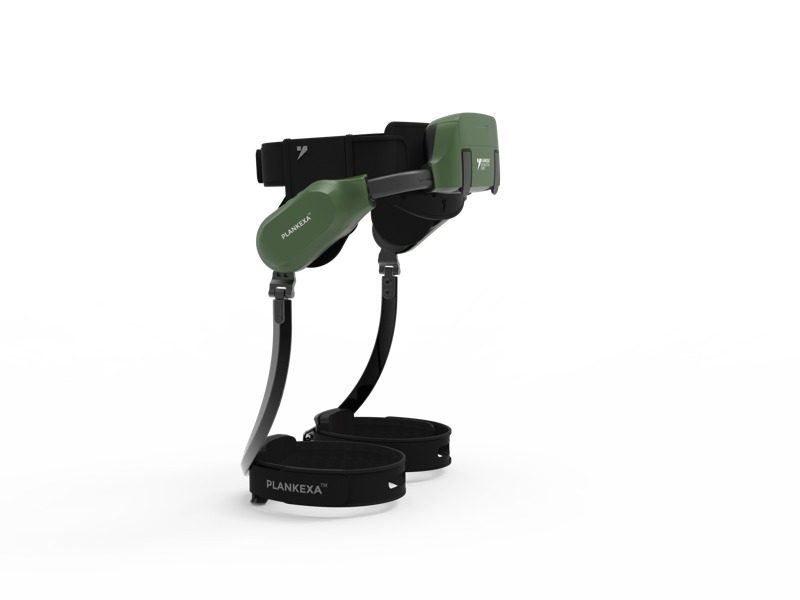
The journey from initial setup to confident daily use of an exoskeleton robot for walking involves multiple sequential steps that prioritize safety, comfort, and optimal performance. This guide walks you through the complete process, ensuring you understand each phase and can maximize the benefits of this cutting-edge mobility solution.
Understanding Your Exoskeleton Robot for Walking
Core Components and Functionality
An exoskeleton robot for walking consists of several interconnected systems working in harmony. The frame provides structural support, typically made from lightweight aluminum or carbon fiber, while electric motors at the hip, knee, and ankle joints deliver powered assistance. Battery systems power these motors, usually providing four to eight hours of continuous use depending on intensity and body weight. Sensors embedded throughout the exoskeleton robot for walking detect your movement patterns and adjust power delivery in real time, creating a seamless walking experience that responds to your natural gait.
The control system represents the intelligence behind the exoskeleton robot for walking, using AI algorithms to learn your walking preferences and anticipate your movement intentions. This adaptive technology means the longer you use the exoskeleton robot for walking, the more naturally it responds to your unique biomechanics. Understanding these core components helps you appreciate how the exoskeleton robot for walking provides support without restricting natural motion or requiring conscious control from the user.
Physical and Safety Considerations
Before using an exoskeleton robot for walking, assess your physical condition and any medical contraindications. Users should have adequate upper body strength to manage the device, typically weighing between 15 to 30 kilograms depending on the model. An exoskeleton robot for walking is not suitable for individuals with severe spasticity, uncontrolled seizures, or certain joint conditions without professional medical clearance. Weight capacity limits and height ranges vary significantly across models, so verifying your compatibility with a specific exoskeleton robot for walking is critical before purchase or deployment.
Step-by-Step Setup and Initialization
Initial Fitting and Adjustment
The first practical step when preparing to use an exoskeleton robot for walking is achieving a precise fit. Most exoskeletons require adjusting straps at the waist, thighs, calves, and feet to ensure the device aligns with your body joints. Improper fitting of your exoskeleton robot for walking can cause discomfort, reduce efficiency, and create safety risks. Start with the waist support, ensuring it sits securely above your hip bones, then systematically tighten thigh and calf straps while standing or with assistance. The exoskeleton robot for walking should feel snug but not restrictive, allowing comfortable breathing and normal circulation.
Once physically fitted, balance testing is essential before attempting to walk. Supported by parallel bars or an assistant, stand in the exoskeleton robot for walking with it powered off to acclimate to the added weight and structural sensation. Many users benefit from spending 15 to 30 minutes in this stationary phase, allowing their proprioceptive system to register the device's presence. This foundational step significantly reduces the risk of falls and builds confidence before the exoskeleton robot for walking actively assists your movement.
Power System Activation and Calibration
Powering up your exoskeleton robot for walking triggers automatic calibration routines that establish baseline parameters. Most systems require you to stand stationary for 30 to 60 seconds while sensors establish neutral positions for each joint. The exoskeleton robot for walking's control panel, typically located at the wrist or on a connected mobile interface, displays battery status, power mode selection, and real-time assistance level. Start with minimum assistance settings, as the exoskeleton robot for walking at full power may feel overwhelming during initial use.
Calibration also personalizes the exoskeleton robot for walking to your body, teaching the AI system your natural walking speed and stride length. This customization ensures that the exoskeleton robot for walking provides proportional assistance rather than generic support. Review the manufacturer's manual specific to your model, as calibration procedures vary. Many modern exoskeletons allow you to save multiple user profiles within the exoskeleton robot for walking system, enabling quick switching if multiple people share the device.
Operational Procedures and Best Practices
First Steps and Gradual Progression
Beginning your first walk with an exoskeleton robot for walking should occur in a controlled environment with professional supervision or trusted assistance. Start in a hallway or gym with parallel bars, allowing you to stabilize yourself while the exoskeleton robot for walking provides support. Take slow, deliberate steps at comfortable speed, paying attention to how the device anticipates your movement. The exoskeleton robot for walking's motors will engage as you initiate each step, providing power to your hip and knee joints to reduce the muscular effort required on your part.
Progress gradually over multiple sessions before venturing into more complex environments. After successfully completing 30 minutes of supported walking, you might progress to assisted walking with a cane or walker, then eventually to independent walking with your exoskeleton robot for walking in controlled spaces. This progression builds muscle memory, strengthens stabilizer muscles, and develops confidence in trusting the device's response timing. Most physical therapists recommend 3 to 5 practice sessions before attempting stairs or outdoor terrain with an exoskeleton robot for walking.
Advanced Techniques and Terrain Adaptation
As you develop proficiency with your exoskeleton robot for walking, you can adjust settings to accommodate different environments and activities. Many models feature terrain mode selection, allowing the exoskeleton robot for walking to adapt power delivery for stairs, ramps, or uneven surfaces. Stairs present a significant challenge, requiring the exoskeleton robot for walking to provide different assistance patterns than flat-ground walking. Always use handrails when available, and ensure your exoskeleton robot for walking has sufficient battery charge before attempting ascending or descending stairs.
Outdoor walking with an exoskeleton robot for walking introduces variables like uneven terrain, weather conditions, and extended distance. Start with short outdoor routes on well-maintained surfaces, gradually increasing distance as your exoskeleton robot for walking battery endurance and your personal confidence grow. Monitor battery status regularly, as an exoskeleton robot for walking will cease assisted function when power depletes, requiring you to manually support your full body weight. Establish a habit of charging your exoskeleton robot for walking after each use, and consider carrying a portable charger during extended outings.
Maintenance and Troubleshooting
Proper maintenance extends the lifespan and reliability of your exoskeleton robot for walking. Daily tasks include inspecting straps for damage, wiping down the frame, and checking for loose components. Weekly maintenance should involve testing all joints for smooth motion and verifying sensor responsiveness. The exoskeleton robot for walking's battery should be stored in a cool, dry environment and charged according to manufacturer specifications to maintain capacity and longevity. Software updates released by the exoskeleton robot for walking manufacturer should be installed promptly, as they often include performance improvements and safety enhancements.
Common issues with an exoskeleton robot for walking include asymmetrical assistance, delayed motor response, or unexpected balance shifts. Most problems resolve through recalibration or firmware updates to your exoskeleton robot for walking system. If the exoskeleton robot for walking displays error codes or exhibits persistent performance issues, consult the troubleshooting guide or contact manufacturer support. Professional servicing every 6 to 12 months ensures your exoskeleton robot for walking remains in optimal condition, particularly if used in high-volume settings or rehabilitation facilities.
FAQ
How long does it take to become proficient with an exoskeleton robot for walking?
Proficiency varies significantly based on individual physical condition, prior mobility experience, and frequency of use. Most users achieve comfortable independence with an exoskeleton robot for walking within 2 to 4 weeks of regular practice, typically involving 3 to 5 sessions per week. Users with prior walking ability generally progress faster than those recovering from injury or managing degenerative conditions. The exoskeleton robot for walking accelerates learning through adaptive algorithms that personalize assistance over time, meaning your improvement curve with the device typically exceeds traditional physical therapy.
Can an exoskeleton robot for walking be used outdoors and on different terrain?
Yes, most modern models designed for walking support outdoor use and variable terrain. However, the exoskeleton robot for walking's effectiveness depends on terrain type and surface stability. Flat, paved surfaces work best with an exoskeleton robot for walking, while rocky, muddy, or heavily sloped ground presents challenges to sensor accuracy and motor control. Always start with outdoor walking on smooth, predictable surfaces, then gradually introduce more complex terrain as you and your exoskeleton robot for walking develop synchronized movement patterns. Battery consumption increases on challenging terrain, so monitor power levels closely when using your exoskeleton robot for walking outdoors.
What safety measures should be in place when using an exoskeleton robot for walking?
Safety protocols for an exoskeleton robot for walking include medical clearance, supervised initial use, environmental assessment, and proper equipment maintenance. Always use appropriate footwear with your exoskeleton robot for walking to ensure ankle stability and slip resistance. Avoid using your exoskeleton robot for walking near stairs, drop-offs, or unstable surfaces until you achieve advanced proficiency. Emergency stop buttons on most exoskeleton robot for walking models allow immediate power cessation if needed, and users should memorize their location. Finally, inform caregivers or colleagues about your exoskeleton robot for walking use, ensuring they understand how to provide assistance if the device malfunctions unexpectedly.