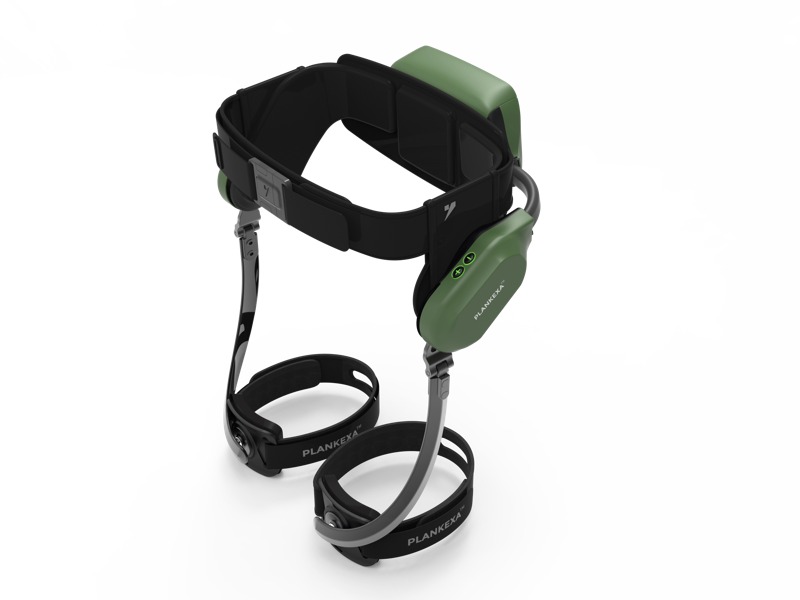
Choosing between an exoskeleton robot for walking and a traditional wheelchair represents one of the most significant mobility decisions facing individuals with lower limb challenges. Both solutions offer pathways to independence and improved quality of life, yet they operate on fundamentally different principles and serve distinct user needs. An exoskeleton robot for walking restores an upright posture and mimics natural gait mechanics, while wheelchairs prioritize accessibility and energy efficiency through seated positioning. Understanding how these two mobility solutions differ in functionality, cost, physical impact, and lifestyle fit is essential for making an informed decision tailored to your specific circumstances and long-term goals.
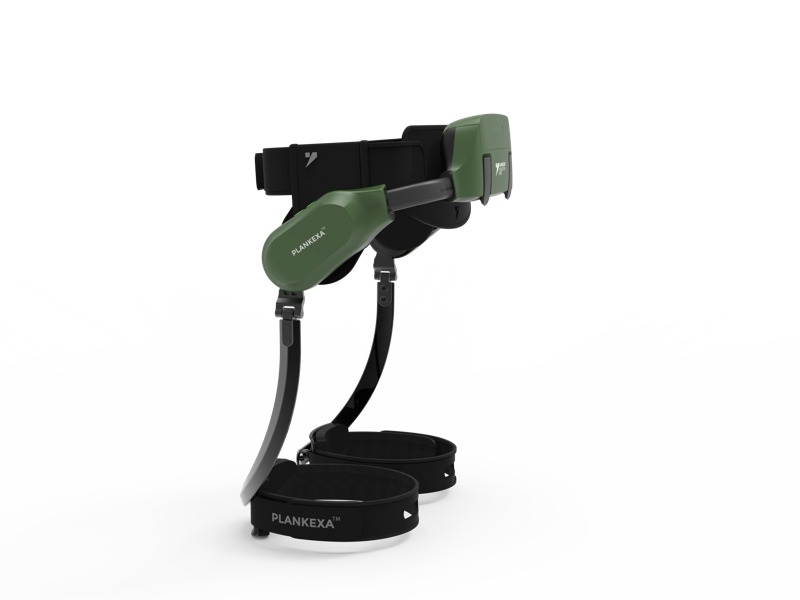
The comparison between an exoskeleton robot for walking and a wheelchair extends far beyond basic functionality. Each technology addresses mobility differently, with profound implications for user health, social integration, physical conditioning, and daily independence. Modern exoskeleton robot for walking systems leverage advanced robotics, artificial intelligence, and sensor technology to enable standing and walking for individuals who may otherwise be confined to seated positions. Conversely, wheelchairs represent a mature, proven technology that has evolved significantly to offer comfort, maneuverability, and accessibility. This detailed comparison examines the practical, physical, economic, and psychological dimensions of each option to help you navigate this important choice.
Physical Function and Independence with Exoskeleton Robot for Walking
Upright Posture and Natural Gait Mechanics
An exoskeleton robot for walking restores users to an upright standing position, a fundamental shift from wheelchair use. This vertical orientation has cascading physiological benefits. Standing and walking through an exoskeleton robot for walking system engages the core muscles, improves balance proprioception, and promotes cardiovascular circulation patterns more closely aligned with natural human movement. Users report enhanced dignity and psychological well-being from maintaining eye-level interactions with others rather than sitting at a lower height. The robotic structure of an exoskeleton robot for walking distributes body weight through mechanical supports, enabling individuals with paralysis or severe weakness to achieve ambulatory motion that wheelchairs cannot replicate.
Long-Term Health Considerations
Regular use of an exoskeleton robot for walking provides sustained health benefits that distinguish it from wheelchair-dependent mobility. Weight-bearing exercise through an exoskeleton robot for walking preserves bone density, reducing osteoporosis risk associated with prolonged sitting. Muscle activation triggered by exoskeleton robot for walking sessions stimulates neuromuscular pathways and may support spasticity management in spinal cord injury populations. Bowel and bladder function often improve with weight-bearing activity enabled by an exoskeleton robot for walking. Conversely, prolonged wheelchair dependence accelerates bone loss, reduces cardiovascular efficiency, and increases contracture risk in paralyzed limbs. However, exoskeleton robot for walking typically requires supervised therapy sessions, whereas wheelchairs offer independent mobility throughout the day.
Practical Accessibility and Real-World Usability
Environmental Navigation and Barriers
Wheelchair technology excels in navigating complex environments with minimal training. A wheelchair user can independently access buildings, restrooms, vehicles, and public spaces with established accessibility infrastructure. An exoskeleton robot for walking, by contrast, performs optimally on flat, even surfaces with minimal obstacles. Stairs, uneven terrain, narrow doorways, and tight indoor spaces present challenges for exoskeleton robot for walking systems that wheelchairs handle routinely. Most exoskeleton robot for walking applications occur in clinical settings, rehabilitation facilities, or specifically prepared outdoor environments. Real-world independence through an exoskeleton robot for walking is substantially limited compared to wheelchair accessibility in existing urban and indoor infrastructure.
Time Requirements and Practical Implementation
Using an exoskeleton robot for walking demands significant time investment. Sessions typically last one to two hours and require trained assistance for donning, calibration, therapy oversight, and safety monitoring. Fitting an exoskeleton robot for walking to an individual involves customization, repeated adjustments, and learning curves spanning weeks or months. Wheelchair use, conversely, demands minimal preparation. Users self-propel or operate motorized chairs independently within minutes of acquiring equipment. This practical accessibility gap means exoskeleton robot for walking serves as scheduled therapy rather than primary mobility, while wheelchairs function as primary mobility tools. For working professionals and individuals requiring all-day accessibility, exoskeleton robot for walking cannot currently replace wheelchair functionality.
Cost, Funding, and Economic Considerations
Initial Acquisition and Equipment Investment
Cost represents perhaps the starkest distinction between these two mobility solutions. An exoskeleton robot for walking typically costs between thirty thousand and one hundred thousand dollars, reflecting advanced robotics, materials science, and proprietary technology. Some exoskeleton robot for walking systems exceed this range further. Manual wheelchairs generally cost one thousand to five thousand dollars, while motorized wheelchairs range from three thousand to fifteen thousand dollars. This price differential reflects the developmental maturity difference. Exoskeleton robot for walking technology remains specialized and relatively new, whereas wheelchair manufacturing has benefited from decades of optimization and mass production economies of scale. Insurance coverage varies widely; many plans partially reimburse wheelchair costs but rarely cover experimental exoskeleton robot for walking systems.
Maintenance, Replacement, and Lifecycle Costs
Ongoing expenses diverge significantly between the two technologies. Wheelchair maintenance costs remain modest, involving periodic tire replacement, brake adjustment, and upholstery repair at annual expenses of a few hundred dollars. An exoskeleton robot for walking incurs substantially higher maintenance, including battery replacement, sensor recalibration, software updates, and specialized technician service. Battery degradation in exoskeleton robot for walking systems typically necessitates costly replacements every three to five years. Warranty coverage for exoskeleton robot for walking often proves limited, and repair service availability remains geographically restricted. For individuals on fixed incomes or without robust insurance, the total cost of ownership for an exoskeleton robot for walking becomes prohibitively expensive compared to wheelchair lifecycle costs.
Social, Psychological, and Quality-of-Life Factors
Dignity, Independence, and Self-Perception
Users consistently report profound psychological benefits from exoskeleton robot for walking systems that wheelchairs do not provide. Standing upright through an exoskeleton robot for walking restores eye-level engagement with ambulatory individuals, eliminating the downward social positioning inherent to wheelchair users. This subtle but significant dignity factor influences workplace interactions, family dynamics, and social confidence. An exoskeleton robot for walking enables users to perform standing activities like greeting others, reaching high shelves, or attending events from upright positions previously inaccessible. Conversely, wheelchairs, while enabling independence, do not eliminate the physical and social reality of seated mobility. Some individuals find wheelchair acceptance liberating and practical; others experience persistent stigma and psychological distress regardless of wheelchair features or design.
Accessibility in Existing Environments
Wheelchair infrastructure investment across decades has created extensive accessibility expectations and legal requirements in many jurisdictions. Accessible bathrooms, ramps, elevators, and parking accommodate wheelchair users systematically. An exoskeleton robot for walking lacks comparable infrastructure development and remains largely limited to clinical and therapeutic contexts. While exoskeleton robot for walking technology continues advancing, widespread environmental accommodation remains years away. This infrastructure gap means wheelchair users enjoy greater practical independence and broader social participation in present-day society. Conversely, enthusiasts propose that exoskeleton robot for walking could eventually enable greater independence as technology matures and becomes more affordable, though such advancement remains speculative.
FAQ
Can an exoskeleton robot for walking completely replace a wheelchair?
Currently, an exoskeleton robot for walking cannot completely replace a wheelchair for most users. While an exoskeleton robot for walking provides upright mobility during supervised sessions, wheelchairs offer practical, independent, all-day accessibility that exoskeleton robot for walking systems cannot yet match. Many individuals use both technologies complementarily: an exoskeleton robot for walking for therapeutic benefits and specific activities, and a wheelchair for primary daily mobility and environmental navigation. As exoskeleton robot for walking technology advances, this dynamic may shift, but existing systems remain limited to controlled environments and require significant time, training, and assistance.
What are the main health advantages of exoskeleton robot for walking compared to wheelchair use?
An exoskeleton robot for walking offers several health advantages over exclusive wheelchair dependence. Weight-bearing exercise through exoskeleton robot for walking preserves bone density and prevents osteoporosis. Regular sessions with an exoskeleton robot for walking improve cardiovascular function, enhance bowel and bladder management, reduce spasticity, and stimulate neuromuscular pathways. Standing upright through exoskeleton robot for walking also supports respiratory efficiency and psychological well-being. However, these benefits accumulate only during active exoskeleton robot for walking sessions, not throughout daily life. Wheelchairs, while not providing weight-bearing benefits, enable greater overall activity and social engagement when equipped with appropriate accessories and environmental accommodation.
Is exoskeleton robot for walking worth the higher cost compared to a wheelchair?
Whether an exoskeleton robot for walking justifies its higher cost depends on individual priorities, medical circumstances, and financial capacity. An exoskeleton robot for walking costs five to twenty times more than wheelchairs and offers primarily therapeutic and periodic benefits rather than primary mobility. For individuals prioritizing health optimization, psychological well-being, and willingness to engage with scheduled therapy, an exoskeleton robot for walking may justify the investment. For individuals with limited financial resources, those requiring all-day mobility, or those in environments lacking exoskeleton robot for walking infrastructure and support, wheelchairs remain the practical choice. Ideally, accessing both technologies through insurance coverage, rehabilitation programs, or trial periods allows individuals to make informed decisions aligned with their specific needs and circumstances.