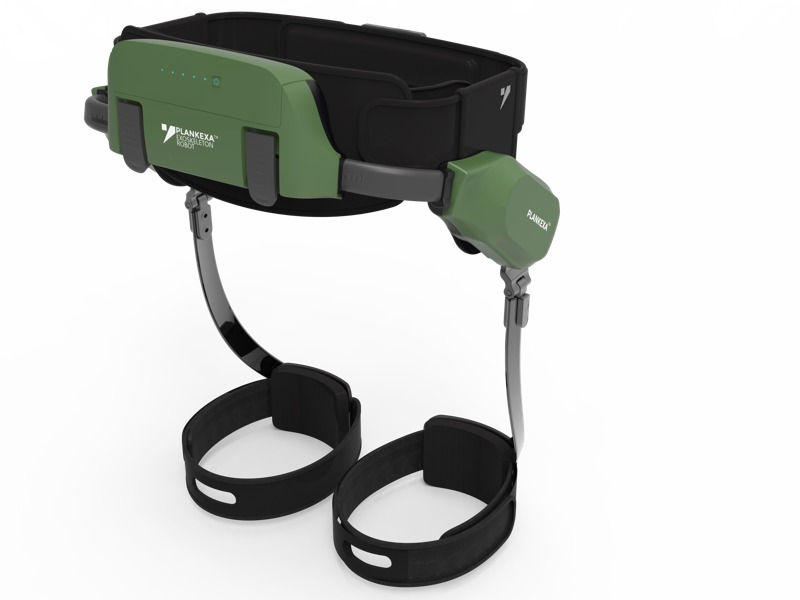
Selecting the right exoskeleton robots for your organization requires a strategic approach that balances operational demands, workforce capabilities, and long-term investment goals. Modern exoskeleton robots have evolved far beyond experimental prototypes, becoming practical industrial tools that enhance worker productivity, reduce fatigue, and minimize injury risk across manufacturing, construction, logistics, and field service sectors. However, the growing variety of exoskeleton robots available today means that purchasing decisions demand careful evaluation of performance specifications, application fit, total cost of ownership, and implementation readiness.
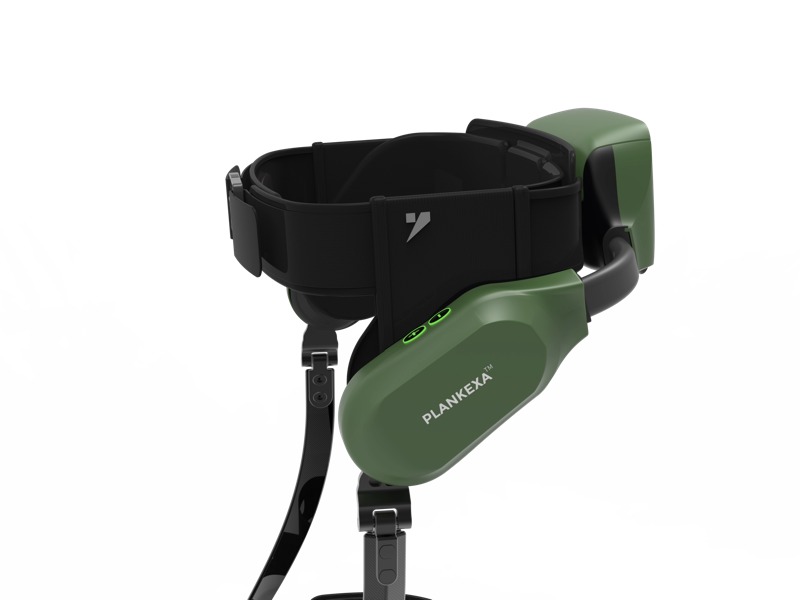
This guide walks you through the essential selection framework for exoskeleton robots, helping procurement teams, operations managers, and safety directors identify solutions that align with specific workforce challenges and business objectives. Understanding how to evaluate exoskeleton robots reduces implementation risk and ensures that your organization captures genuine productivity and safety benefits from this advanced technology.
Assess Your Operational Requirements
Define the Primary Use Case for Exoskeleton Robots
The first step in choosing exoskeleton robots is to clarify exactly which tasks and worker populations will benefit most from this technology. Different exoskeleton robots are engineered for specific movement patterns and load-bearing scenarios. Overhead lifting applications demand different exoskeleton robots than materials handling or standing-support roles. Construction workers wearing exoskeleton robots for repetitive overhead work face different biomechanical challenges than warehouse staff who need support during lateral movement and bending. By mapping your highest-risk, highest-frequency tasks, you create a focused scope that narrows the field of viable exoskeleton robots and prevents overspecification or underutilization.
Quantify Load, Duration, and Frequency
Exoskeleton robots are rated for specific weight capacities, movement ranges, and duty cycles. Recording the typical loads your workers handle, the duration of work sessions, and the frequency of repetitive motions allows you to compare exoskeleton robots against real performance requirements. If workers regularly handle loads exceeding the rated capacity of a particular exoskeleton robot model, that option is unsuitable regardless of other appealing features. Similarly, if exoskeleton robots are only needed for two-hour shifts, investing in models designed for eight-hour continuous operation may not justify the cost premium. This quantitative baseline transforms exoskeleton robots selection from a generic comparison into a technically grounded decision that protects both worker safety and organizational investment.
Evaluate Performance and Design Specifications
Compare Load Capacity and Assist Specifications
Exoskeleton robots vary significantly in their ability to augment human strength and reduce fatigue. Some models offer passive mechanical advantage through spring-assisted joints, while others use powered actuators and AI-enhanced motion sensing. When comparing exoskeleton robots, verify the stated load capacity under realistic working conditions, not just laboratory benchmarks. Determine whether the exoskeleton robots you are considering provide constant assist throughout the motion cycle or only at specific ranges. Ask manufacturers for data on how exoskeleton robots perform when workers operate near maximum load, as fatigue accumulation may affect real-world performance differently than controlled testing scenarios. Many organizations find that exoskeleton robots performing at 80 percent of theoretical maximum deliver more sustainable, longer-lasting productivity gains than models pushed to their limits.
Assess Mobility, Fit, and Comfort Factors
Worker adoption of exoskeleton robots depends heavily on comfort, ease of donning and doffing, and compatibility with existing uniforms and safety equipment. Exoskeleton robots with cumbersome harness systems or poor weight distribution create resistance even when workers understand the productivity benefits. Evaluate how exoskeleton robots distribute their own weight, whether they allow unrestricted torso movement in directions not relevant to the primary task, and whether they accommodate different body types and sizes within your workforce. Some exoskeleton robots include adjustable components that scale across worker populations, while others require separate sizes and configurations. Test-wearing exoskeleton robots with actual workers in simulated task environments before finalizing your choice, as subjective comfort feedback often reveals issues that specifications alone cannot capture.
Calculate Total Cost of Ownership and Implementation
Determine Direct and Hidden Acquisition Costs
The purchase price of exoskeleton robots represents only one component of total cost. Factor in shipping, import duties if applicable, training program development, integration with existing workflows, and safety certifications specific to your industry and region. Exoskeleton robots may also require initial ergonomic assessments, worker health screening, and modified workstation design. Some organizations discover that the exoskeleton robots they selected demand infrastructure changes such as reinforced flooring or modified ceiling heights in certain work areas. Building a complete cost model for exoskeleton robots before commitment prevents budget surprises and allows you to compare options on a level financial foundation. Include costs for pilot deployment, measurement and evaluation, and contingency resources for troubleshooting during the ramp-up phase.
Plan Maintenance, Support, and Long-term Economics
Exoskeleton robots with moving joints, powered components, or sophisticated sensors require scheduled maintenance and may need periodic repairs. Investigate the availability of service support in your geographic region and the typical response times for exoskeleton robots that experience defects or component wear. Battery-powered exoskeleton robots demand charging infrastructure and battery replacement strategies. Some manufacturers offer extended warranties, preventative maintenance contracts, or loaner exoskeleton robots during repairs, while others provide minimal support. Over a five-year ownership period, these support costs can rival or exceed the initial equipment investment. Compare the total economic profile of exoskeleton robots candidates, including lease versus purchase options, to ensure your choice remains viable throughout your intended deployment timeline.
Validate Safety, Compliance, and Integration
Verify Industry Certifications and Regulatory Alignment
Exoskeleton robots used in regulated industries such as manufacturing, construction, or healthcare must meet relevant safety standards and certification requirements. Different regions and industry sectors apply different standards to exoskeleton robots, and non-compliance can create legal liability and workplace safety issues. Confirm that any exoskeleton robots you consider carry appropriate certifications such as ISO standards, CE marking in Europe, or industry-specific approval. Request safety documentation, risk assessments, and testing reports for exoskeleton robots to verify that manufacturers have systematically addressed biomechanical safety, electrical safety, and failure-mode protection. This due diligence prevents costly delays after purchase and ensures that your workforce receives genuinely safe tools rather than untested innovations.
Plan Change Management and Worker Training
Introducing exoskeleton robots into established workflows disrupts familiar routines and requires workers to adopt new movement patterns and operational protocols. Successful exoskeleton robots deployment involves comprehensive worker training, clear communication about expected benefits, and feedback mechanisms for continuous improvement. Plan training duration, determine whether exoskeleton robots training happens off-site or embedded in regular operations, and identify champions who can mentor peers. Many organizations underestimate the change management dimension of exoskeleton robots implementation, leading to lower adoption rates and diminished return on investment. Budget adequate time and resources for training, adaptation, and monitoring to ensure that your chosen exoskeleton robots deliver the intended safety and productivity outcomes.
FAQ
What is the typical lifespan of exoskeleton robots in industrial settings?
Most industrial-grade exoskeleton robots last between four and seven years under continuous use, depending on maintenance quality, environmental conditions, and operational intensity. Powered exoskeleton robots may require battery replacement after two to three years, and joint components may need refurbishment as wear accumulates. Passive exoskeleton robots with mechanical assist mechanisms typically last longer because they have fewer powered components to fail. Manufacturers' warranty periods often range from one to three years, with extended service contracts available for additional protection. Planning for component replacement and eventual unit replacement ensures that your workforce continues benefiting from exoskeleton robots technology without unexpected operational gaps.
How do exoskeleton robots affect worker mobility and safety in confined spaces?
Exoskeleton robots increase worker bulk and can limit agility in tight or congested environments. Before deploying exoskeleton robots, assess whether your work areas can safely accommodate the additional width and height that exoskeleton robots add to worker profiles. Some exoskeleton robots are designed with narrow footprints or collapsible sections to minimize this impact, while others require dedicated workspace modifications. Emergency egress and accident response procedures must account for workers wearing exoskeleton robots, as mobility and quick removal may differ from normal operations. Involve safety personnel and workers in testing exoskeleton robots within actual work environments to identify spatial constraints before full deployment.
What is the typical ROI timeframe for implementing exoskeleton robots?
Return on investment for exoskeleton robots typically ranges from eighteen months to three years, depending on labor costs, productivity gains, injury reduction, and your organization's wage structure. High-wage environments and roles with severe injury risk or high absenteeism due to musculoskeletal strain often see faster payback because the avoided costs and productivity gains accumulate quickly. exoskeleton robots that reduce workplace injuries generate ROI through lower workers' compensation insurance claims, reduced turnover, and fewer lost-time incidents. Conduct a pilot program with a subset of your workforce to measure actual performance, gather worker feedback, and refine your business case before scaling exoskeleton robots across larger populations. This data-driven approach increases confidence that your investment will achieve the intended financial and operational benefits.