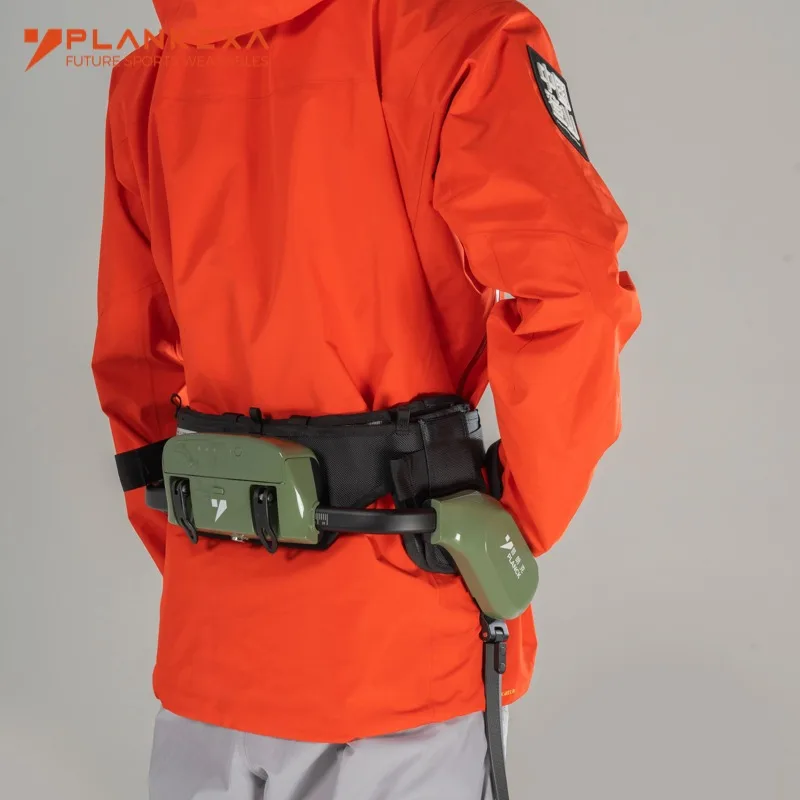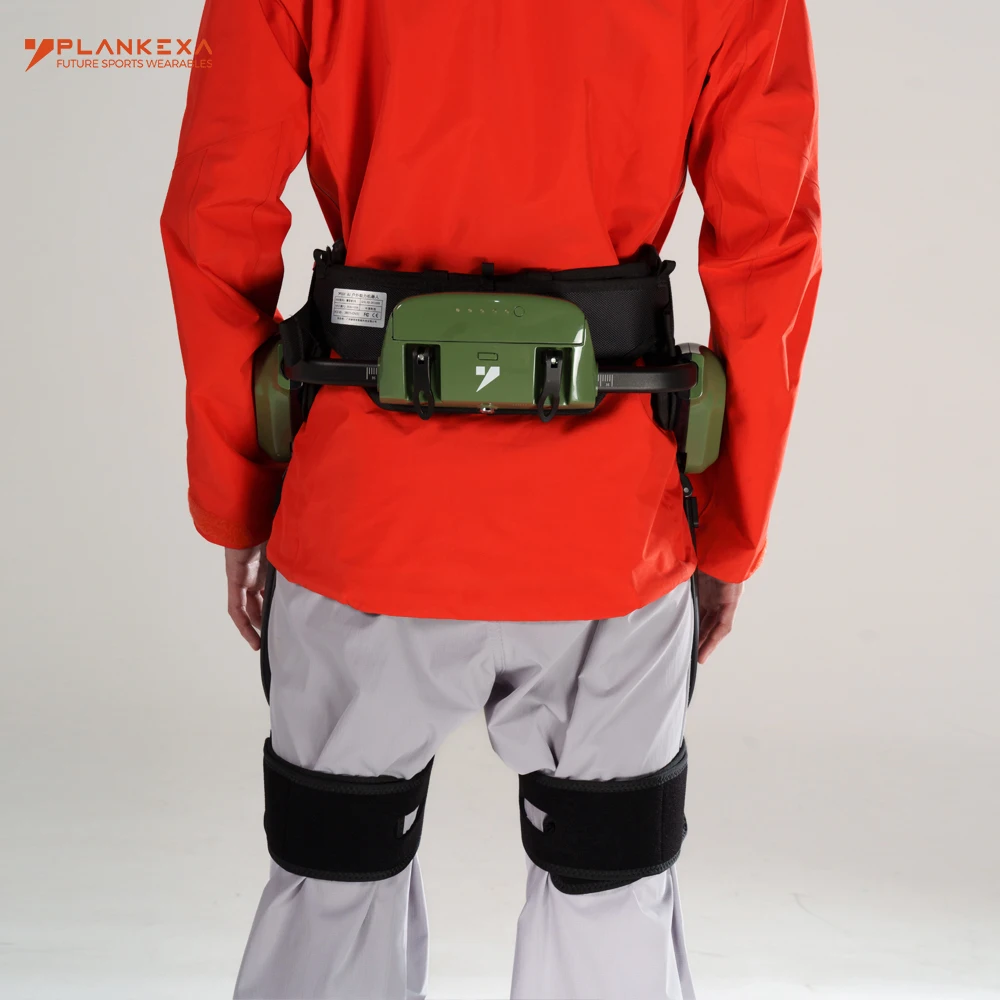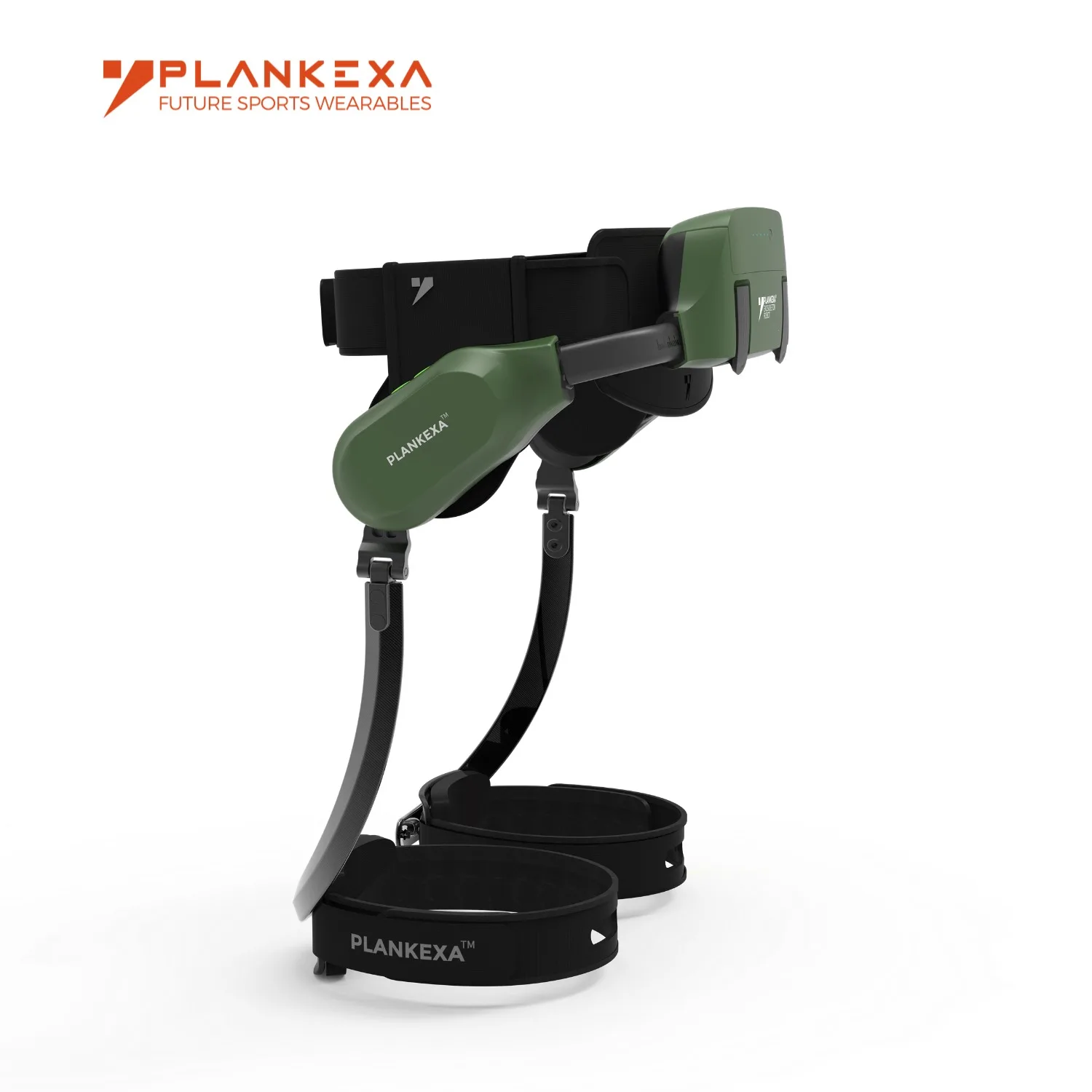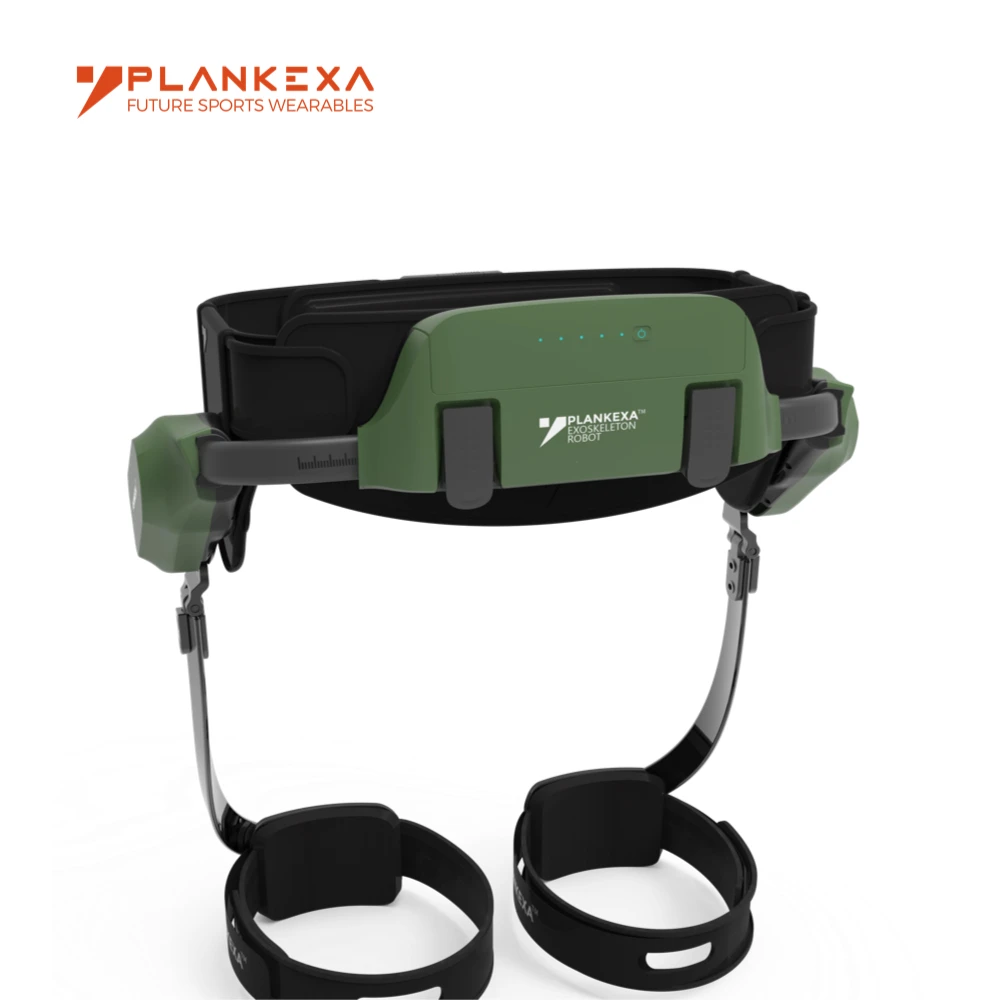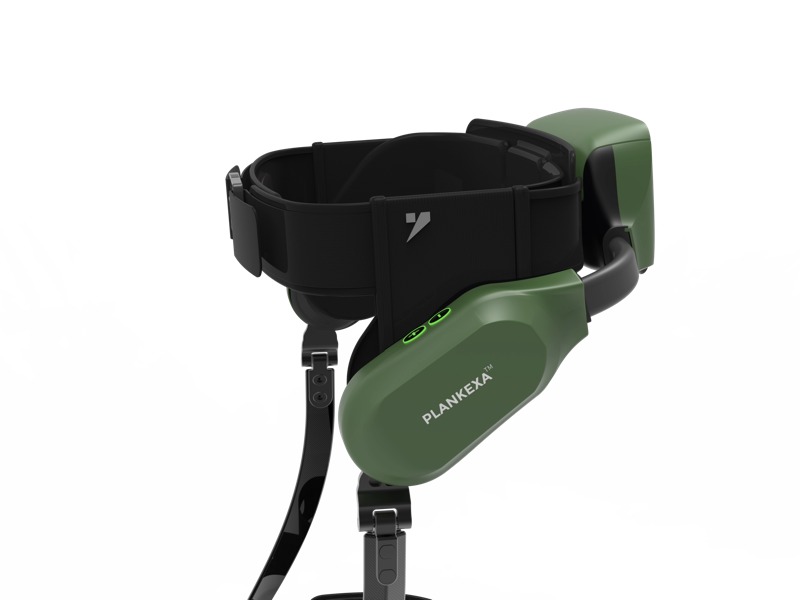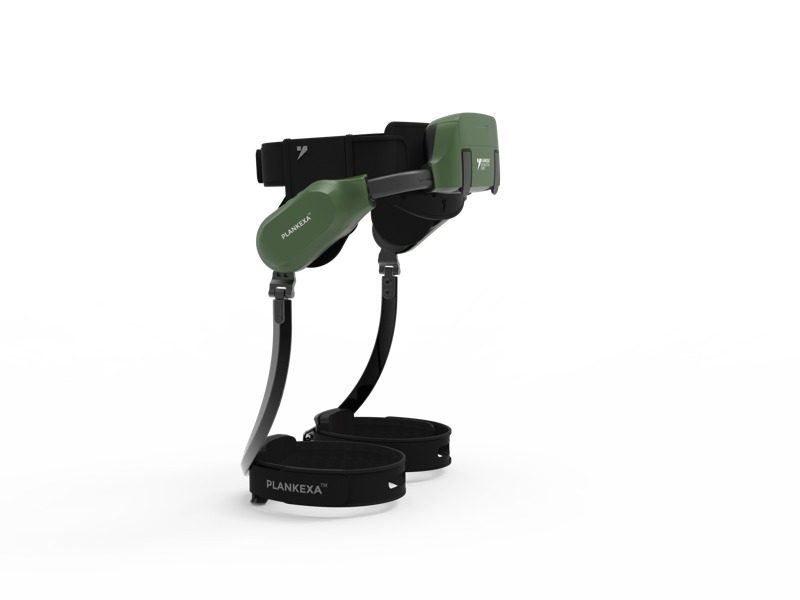
Rehabilitation robots are intelligent wearable lower limb exoskeleton systems developed for postoperative recovery, hemiplegia rehabilitation, leg muscle dysfunction training and daily walking ability reconstruction. Constructed with lightweight ergonomic composite frames and flexible bionic joint structures, these rehabilitation robots perfectly fit human leg movement curves without restraining flexion, extension, squatting and stepping motions required for recovery training. Equipped with high-precision real-time gait detection sensors and multi-mode adjustable adaptive servo drive systems, the robots can simulate standard physiological walking trajectories, output graded auxiliary power to hips and knees according to users’ physical conditions, and guide patients to complete standardized walking, uphill and downhill training. They effectively activate atrophied leg muscles, correct abnormal compensatory gaits, reduce joint pressure during training and accelerate the recovery of motor function for patients with lower limb injuries, stroke sequelae and degenerative leg weakness. The streamlined foldable design enables convenient placement in rehabilitation wards and home spaces, with IP54 dustproof and splash-proof performance suitable for indoor rehabilitation rooms and mild outdoor walking training. Fully adjustable soft padded wrapping straps accommodate users of various heights and leg circumferences to avoid friction and compression during long training sessions. Paired with low-noise long-lasting detachable lithium batteries, the robots offer stable all-day rehabilitation assistance without extra body burden. Multi-touch intelligent control panels support doctors to customize training intensity and modes, meeting differentiated rehabilitation demands of early, medium and late recovery stages. Built-in overload protection, balance assistance and emergency stop safety modules prevent falls, sprains and secondary injuries during training. This series of multi-scenario rehabilitation robots realizes human-machine synchronous follow-up movement, improves training comfort and safety, and provides scientific, systematic auxiliary support for clinical medical rehabilitation and home daily recovery.