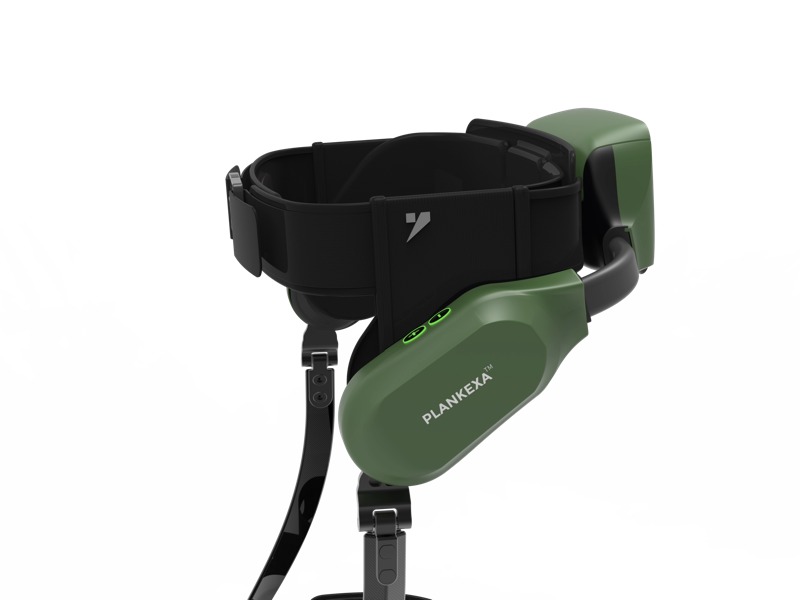
The debate between exoskeleton robots and traditional braces has intensified across healthcare, industrial, and rehabilitation sectors. When workers face repetitive strain, patients require mobility assistance, or athletes seek performance enhancement, the choice between these technologies fundamentally shapes outcomes. Exoskeleton robots represent a technological leap forward, offering powered support and active assistance, while traditional braces provide passive stabilization through mechanical structure. Understanding which solution best addresses specific needs requires examining performance metrics, cost considerations, durability factors, and real-world application scenarios.
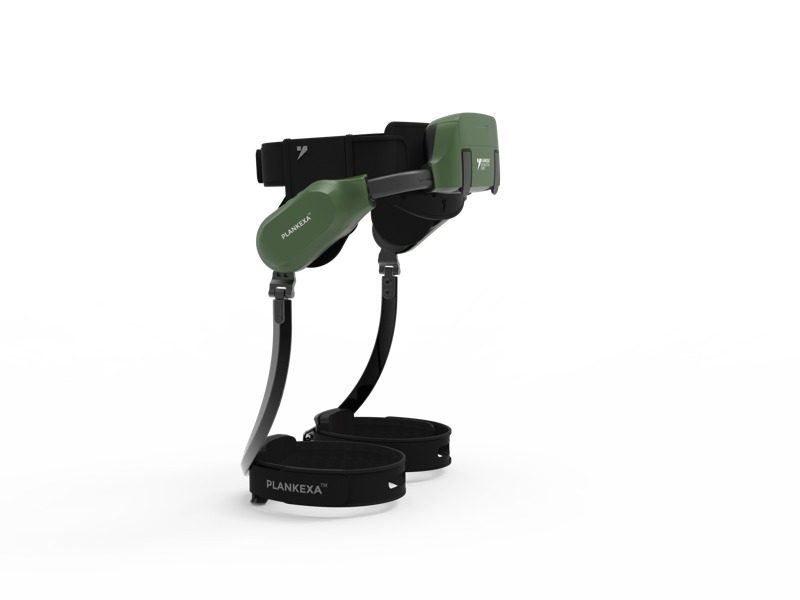
Both exoskeleton robots and traditional braces serve critical roles in modern support systems, yet they operate through fundamentally different mechanisms. The decision between them is not merely about choosing the newest technology; it requires careful evaluation of clinical outcomes, user comfort, maintenance demands, and organizational budgets. This comprehensive comparison explores how exoskeleton robots deliver advantages in load distribution and user fatigue reduction, while examining where traditional braces maintain proven reliability and cost-effectiveness in specific applications.
Core Performance Advantages of Exoskeleton Robots
Active Force Distribution and Load Management
Exoskeleton robots fundamentally transform how force distributes across the user's body by introducing motorized assistance and intelligent load compensation. Unlike passive traditional braces that rely solely on structural materials and positioning, exoskeleton robots actively sense user movement patterns and adjust support in real time. This dynamic capability means exoskeleton robots can reduce muscular strain by forty to sixty percent during repetitive tasks, making them particularly valuable in industrial settings where workers perform the same motions for extended periods. The motors within exoskeleton robots work in concert with human movement, creating a synergistic effect that traditional braces cannot replicate through mechanical means alone.
Endurance Enhancement and Fatigue Reduction
Workers and patients wearing exoskeleton robots experience substantially lower fatigue levels compared to those relying on traditional braces. Because exoskeleton robots provide active power assistance, users maintain consistent performance throughout extended work sessions without exhaustion accumulation. Clinical studies demonstrate that exoskeleton robots enable workers to maintain productivity during twelve-hour shifts with minimal strength degradation, whereas traditional braces often show performance decline after eight hours as user muscles fatigue under sustained load. This endurance advantage translates directly into higher productivity metrics, reduced injury rates, and improved job satisfaction across logistics, manufacturing, and healthcare delivery roles. Exoskeleton robots essentially function as mechanical augmentation partners rather than passive support structures.
Where Traditional Braces Maintain Strategic Advantages
Cost Efficiency and Implementation Barriers
Traditional braces remain the economically dominant choice for organizations operating under tight budget constraints or managing large populations requiring support. A single exoskeleton robot unit costs between five thousand and fifty thousand dollars depending on sophistication level, whereas quality traditional braces typically range from three hundred to three thousand dollars per unit. For healthcare facilities serving one hundred patients or industrial operations with fifty workers, this cost differential creates substantial budget pressure. Traditional braces require minimal maintenance beyond periodic inspection and replacement of worn components, whereas exoskeleton robots demand specialized technicians, battery management protocols, software updates, and complex repair procedures. Small and mid-sized organizations frequently find traditional braces more practical due to these financial realities, making them the logical choice for scenarios where budget represents the binding constraint.
Reliability in Resource-Limited Environments
Traditional braces excel in settings where electricity availability remains inconsistent or where equipment downtime poses unacceptable operational risk. Exoskeleton robots depend on battery systems requiring daily charging infrastructure and backup power management protocols. In rural clinics, field rehabilitation centers, or industrial sites operating in remote locations, traditional braces provide consistent functionality regardless of power availability. The mechanical simplicity of traditional braces means they rarely fail catastrophically, whereas exoskeleton robots contain complex electronics that can malfunction suddenly when exposed to dust, extreme temperatures, or moisture. Many organizations prioritize this reliability advantage, especially in critical care environments where patient safety cannot depend on technology prone to power disruption or electronic failure.
Practical Application Scenarios and Decision Criteria
When Exoskeleton Robots Deliver Superior Value
Exoskeleton robots prove most cost-effective in high-volume repetitive tasks where individual workers use the equipment for extensive daily periods. Warehouse operations, manufacturing assembly lines, and extended-duration patient rehabilitation programs all benefit substantially from exoskeleton robots' load reduction and fatigue prevention capabilities. When organizations calculate return on investment across worker injury reduction, productivity gains, and reduced turnover costs, exoskeleton robots often justify their higher initial expense within two to three years. Professional athletic teams and elite rehabilitation centers routinely select exoskeleton robots because their budgets support technology investment and they value performance optimization above cost minimization. Organizations processing large packages, performing heavy lifting routinely, or working in medical recovery settings where graduated assistance proves critical find exoskeleton robots generate measurable competitive advantages that traditional braces cannot provide.
When Traditional Braces Remain the Optimal Selection
Traditional braces serve as the better choice for acute injury support, temporary stabilization, and scenarios involving budget constraints or resource limitations. Patients recovering from minor sprains typically need braces for two to six weeks, making exoskeleton robots' high expense unjustifiable for short-term application. Healthcare systems managing populations across multiple locations find traditional braces' lower cost per unit enables broader coverage and accessibility. Developing nations and under-resourced healthcare settings maintain consistent utilization of traditional braces due to operational simplicity, durability under challenging conditions, and absence of complex maintenance requirements. Organizations prioritizing universal access over advanced technology often make the strategic decision that traditional braces serve their populations more effectively than exoskeleton robots would given existing infrastructure and financial constraints.
FAQ
Can exoskeleton robots replace traditional braces completely?
No, exoskeleton robots cannot universally replace traditional braces due to fundamental differences in application scenarios, costs, and operational requirements. Exoskeleton robots excel in high-performance, extended-use settings where active assistance justifies expense, while traditional braces remain optimal for acute injuries, temporary support, and resource-limited environments. Many healthcare systems and organizations maintain both technologies in their support arsenals, deploying each according to specific clinical or operational requirements. The future likely involves complementary use rather than complete replacement.
What is the typical lifespan difference between exoskeleton robots and traditional braces?
Traditional braces typically last three to five years under normal usage before materials degrade or wear requires replacement, while exoskeleton robots generally function for five to eight years depending on maintenance quality and operational conditions. However, exoskeleton robots demand ongoing battery replacement every one to two years and periodic electronic component repairs that traditional braces never require. When calculating total cost of ownership, the continuous maintenance expenses associated with exoskeleton robots can match or exceed their higher initial purchase price over their operational lifespan.
How do exoskeleton robots and traditional braces perform in medical rehabilitation settings?
Exoskeleton robots deliver superior outcomes in rehabilitation where graduated assistance helps patients rebuild strength progressively, as their adjustable support levels match improving patient capability. Traditional braces work effectively for post-operative support and acute injury stabilization where passive immobilization prevents further damage during healing. Leading rehabilitation centers frequently employ exoskeleton robots for intensive therapy programs while using traditional braces for maintenance support phases, recognizing that each technology addresses different rehabilitation stages optimally.