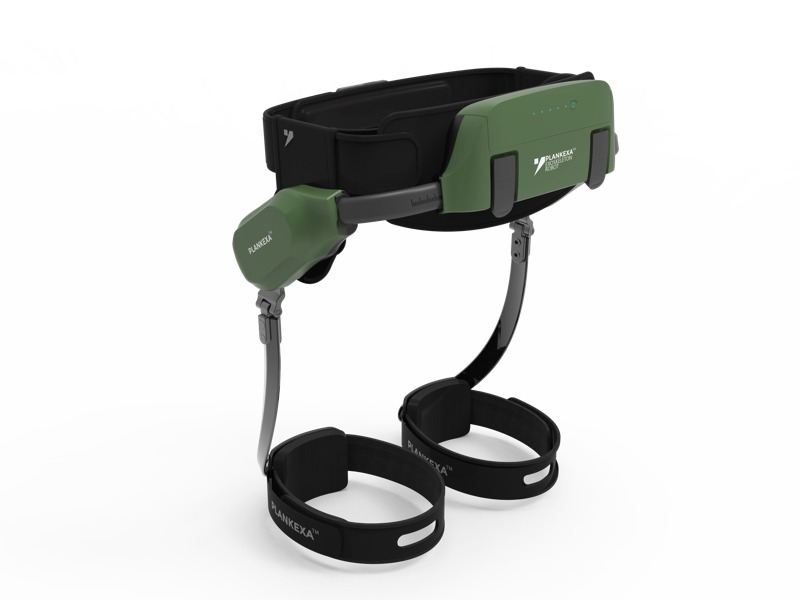
The adoption of exoskeleton robots has accelerated dramatically across residential and occupational environments, transforming how individuals approach physical mobility, rehabilitation, and demanding labor tasks. Modern exoskeleton robots combine lightweight structural design with intelligent power systems, enabling users to lift heavier loads, maintain better posture, and reduce fatigue during repetitive movements. Whether deployed for elderly care at home or industrial logistics in warehouses, exoskeleton robots represent a critical intersection of robotics, ergonomics, and practical human augmentation. Understanding the capabilities, limitations, and selection criteria for exoskeleton robots is essential for anyone considering this technology investment.
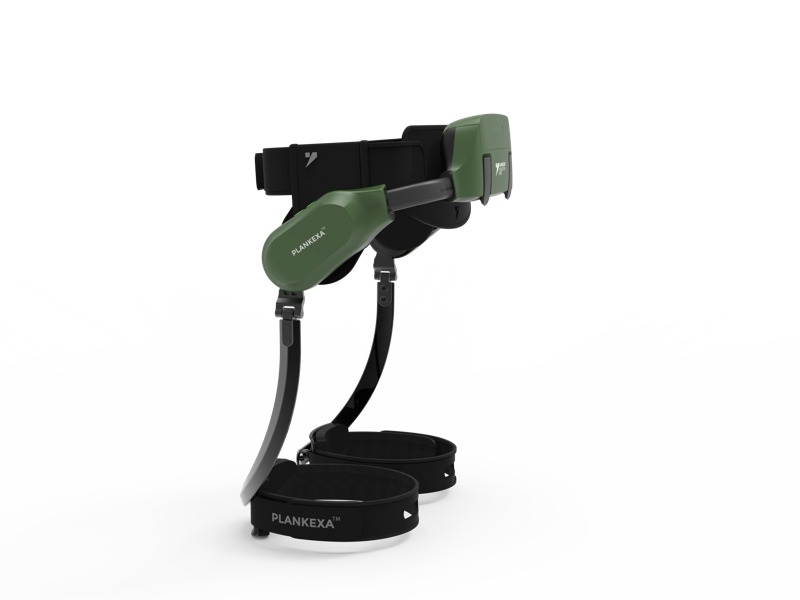
The market for exoskeleton robots has expanded significantly as manufacturers refine motor efficiency, battery capacity, and user interface design. Today's exoskeleton robots address specific functional needs—from assisted walking and stair negotiation to heavy-load carrying and rehabilitation support. This review examines the practical applications, technological foundations, and decision criteria that help users and organizations evaluate exoskeleton robots for their unique environments and operational demands.
Core Applications of Exoskeleton Robots in Modern Environments
Residential and Mobility-Focused Exoskeleton Robots
Home-based exoskeleton robots primarily target aging populations, individuals recovering from surgery, and those managing chronic mobility limitations. These exoskeleton robots facilitate independent movement around the home, reduce fall risk, and maintain muscle engagement during walking and stair climbing. Models designed for residential use emphasize lightweight construction, intuitive controls, and seamless integration with home layouts. The psychological benefit of maintaining autonomy drives adoption, as exoskeleton robots allow users to remain active without constant caregiver assistance. Battery life in residential exoskeleton robots typically ranges from four to eight hours of continuous use, sufficient for daily household activities and outdoor walking sessions.
Occupational and Industrial Exoskeleton Robots
Workplace deployments of exoskeleton robots focus on reducing musculoskeletal strain, preventing injury, and maintaining productivity during high-demand tasks. Warehouse workers, manufacturing technicians, and construction teams benefit from exoskeleton robots that stabilize the lower back, support the upper body during overhead work, and distribute load bearing across leg muscles and the robotic frame. Industrial-grade exoskeleton robots withstand harsh environments, repeated impacts, and extended operational shifts. Organizations implementing exoskeleton robots report measurable reductions in worker compensation claims, sick leave duration, and turnover related to ergonomic injury. The return on investment accelerates as exoskeleton robots prevent costly downtime and medical expenses associated with occupational strain.
Technical Specifications and Performance Factors
Motor Power, Weight Distribution, and Load Capacity
The performance envelope of exoskeleton robots hinges on motor specifications, actuator placement, and structural materials. Premium exoskeleton robots incorporate brushless electric motors distributed across hip, knee, and ankle joints, enabling synchronized movement that mirrors natural gait patterns. Load capacity varies significantly; lightweight exoskeleton robots designed for mobility assistance support 10 to 30 kilograms of additional weight, while heavy-duty models handle 50 kilograms or more. The total system weight of exoskeleton robots directly impacts user fatigue and adoption likelihood; modern designs achieve 8 to 15 kilograms, reducing net burden when compared to loads supported. Battery integration and thermal management influence the operational endurance of exoskeleton robots, with lithium polymer and solid-state batteries becoming industry standards.
Control Systems, Sensors, and User Adaptation
Contemporary exoskeleton robots employ electromyography sensors, inertial measurement units, and pressure-sensitive arrays to detect user intent and environmental conditions in real-time. Advanced exoskeleton robots feature machine learning algorithms that personalize motor assistance based on individual gait patterns, fatigue levels, and task demands. Intuitive interfaces—including voice commands, mobile applications, and gesture recognition—enhance accessibility for users with limited dexterity. The learning curve for exoskeleton robots typically stabilizes within 5 to 10 hours of supervised training, enabling rapid deployment in both home and occupational settings. Firmware updates for exoskeleton robots introduce new capabilities and safety protocols without requiring hardware replacement, extending product lifespan and relevance.
Selection Criteria and Practical Implementation Considerations
Assessing Fit Between User Needs and Exoskeleton Robot Capabilities
Selecting appropriate exoskeleton robots requires honest evaluation of mobility limitations, task frequency, environmental constraints, and budget parameters. Home users should prioritize exoskeleton robots offering lightweight design, easy donning and doffing, and clear safety features for unattended use. Occupational buyers must validate that exoskeleton robots integrate seamlessly with existing workflows, comply with regulatory standards, and receive adequate maintenance support from manufacturers. Trial periods are invaluable; extended evaluation of exoskeleton robots under actual use conditions reveals compatibility issues, comfort concerns, and genuine productivity gains before full-scale commitment. Organizations implementing exoskeleton robots benefit from pilot programs involving representative user cohorts and baseline metrics capturing productivity, injury rates, and employee satisfaction prior to expansion.
Maintenance, Support, and Long-Term Value Preservation
The total cost of ownership for exoskeleton robots extends beyond purchase price to encompass training, replacement batteries, scheduled maintenance, and technical support. Reputable manufacturers provide warranty coverage, spare parts availability, and responsive customer service essential for exoskeleton robots deployed in critical environments. Regular calibration of sensors and firmware updates preserve the reliability and safety profile of exoskeleton robots across their operational lifespan. Organizations scaling exoskeleton robots deployment should establish internal expertise through designated technicians and create standardized maintenance schedules. Resale value and upgrade pathways for exoskeleton robots vary by brand; premium models retain functional value longer and receive manufacturer support extending five to ten years post-purchase.
FAQ
Are exoskeleton robots suitable for outdoor terrain and variable weather conditions?
Many exoskeleton robots designed for home and occupational use include weatherproof sealing and reinforced joints rated for moisture exposure and temperature fluctuations. However, exoskeleton robots perform optimally on relatively level, stable ground; uneven terrain, steep inclines, and muddy conditions challenge balance and motor responsiveness. Users considering outdoor deployment should select exoskeleton robots specifically engineered for all-terrain performance and test them under conditions matching their typical environment before purchase.
How long does training take before users become proficient with exoskeleton robots?
Most users achieve basic operational competency with exoskeleton robots within three to five hours of supervised instruction covering donning procedures, control activation, and emergency safety protocols. Full comfort and adaptive optimization of exoskeleton robots settings typically require two to four weeks of regular use. Occupational environments often provide structured training programs, while home users benefit from manufacturer-supplied video guides and remote support.
What safety mechanisms protect users during exoskeleton robot operation?
Quality exoskeleton robots incorporate fail-safe systems including automatic motor cutoff during sensor loss, manual release buttons for emergency manual removal, and load-limiting algorithms preventing overexertion. Modern exoskeleton robots feature soft actuators and compliant joints that decelerate smoothly if the user loses balance, minimizing fall injury risk. Organizations should verify that their exoskeleton robots meet applicable industrial safety certifications and include comprehensive liability insurance coverage.