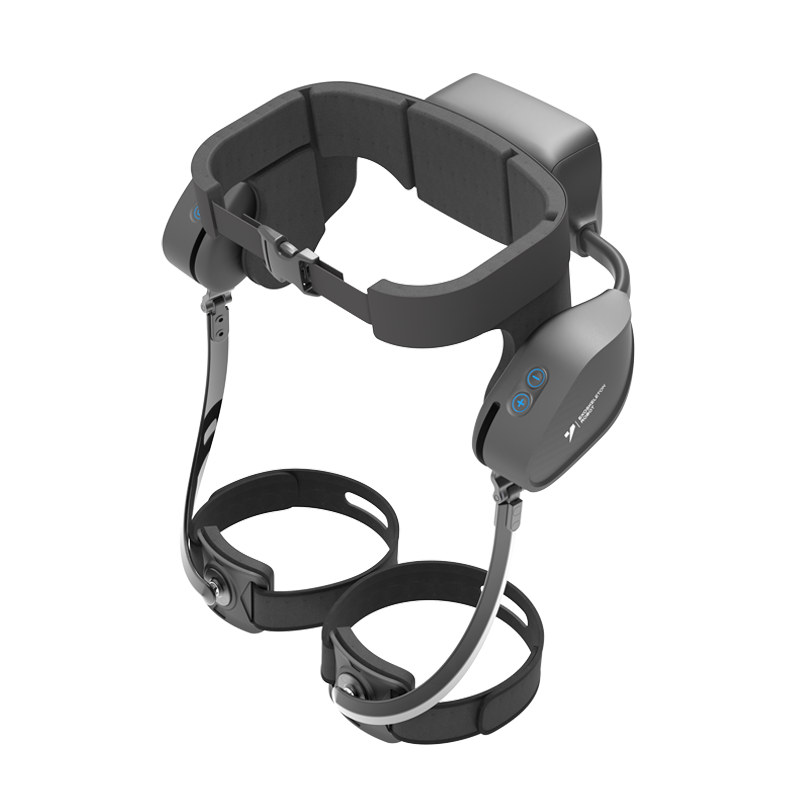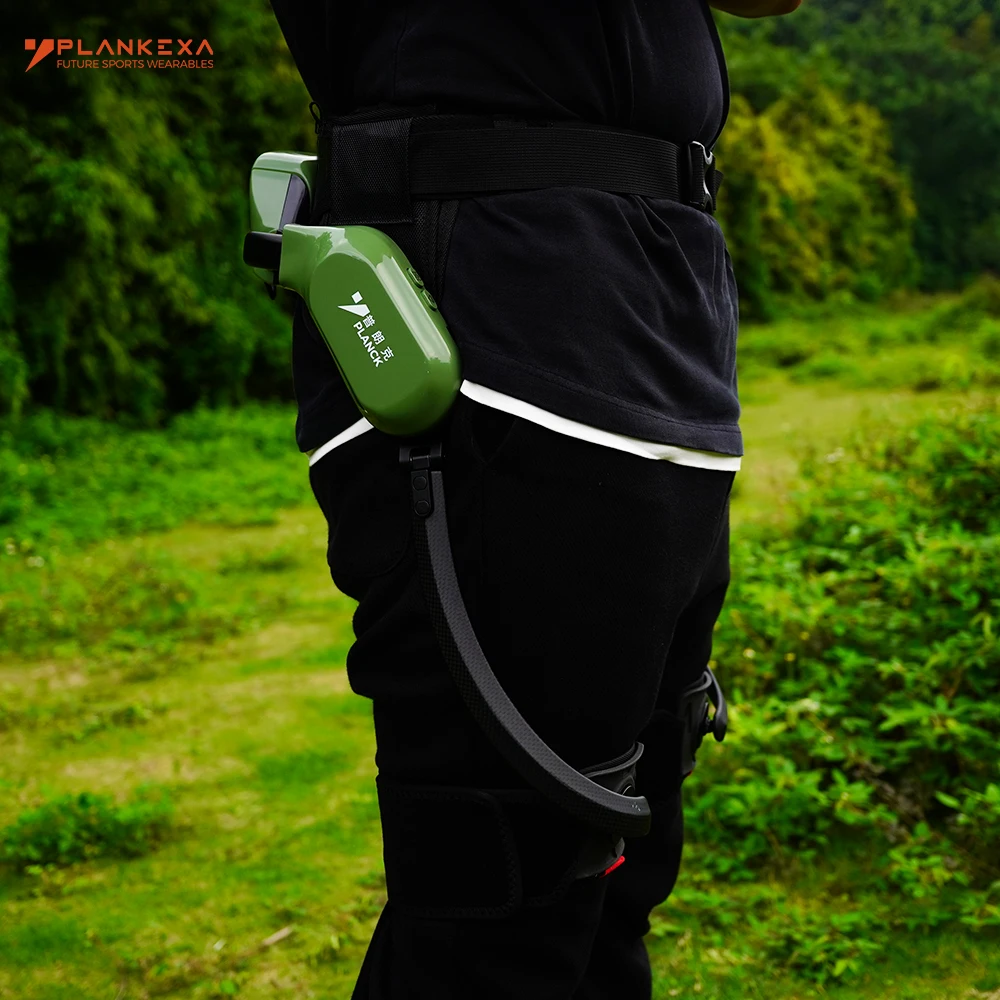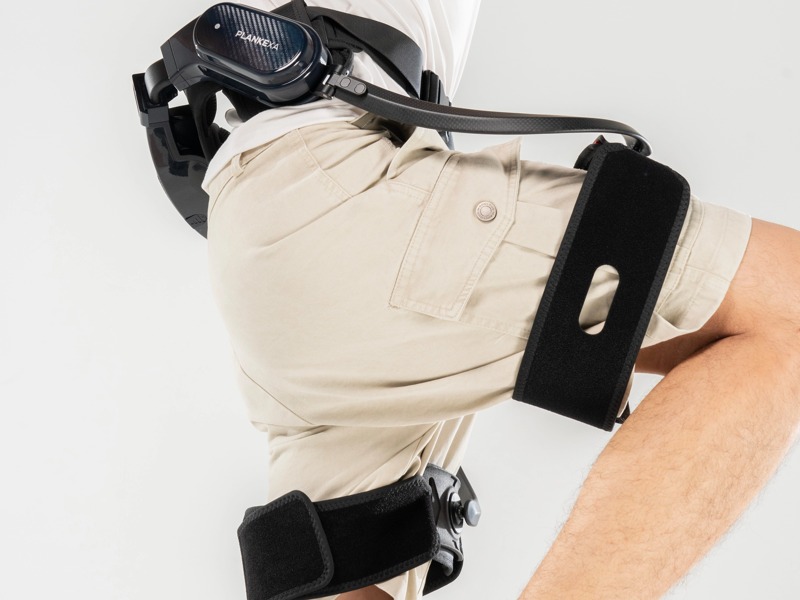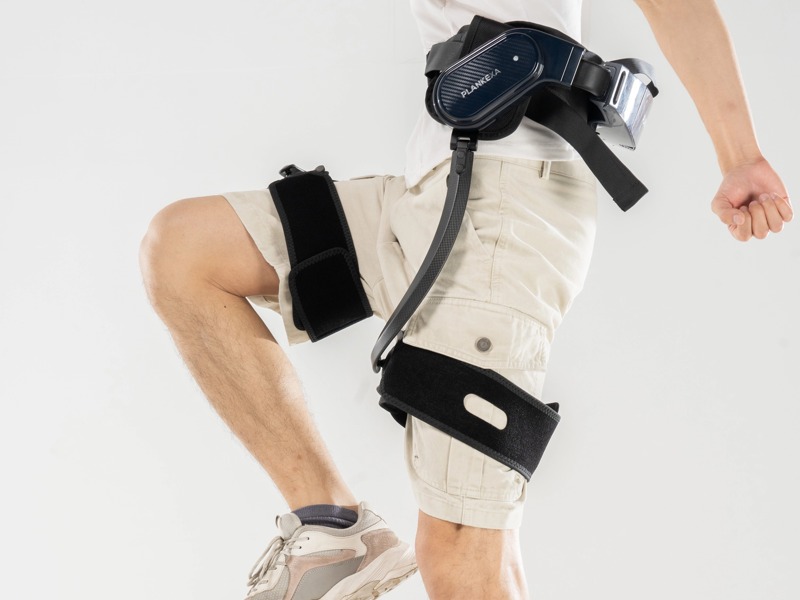
Overview of exoskeleton strength
Guangzhou Xingzhe Intelligent Technology Co., Ltd. Established in 2022, it is an innovative smart technology enterprise centered on technological innovation. Deeply rooted in the core sector of Al exoskeleton robotics, the company has built a comprehensive industrial ecosystem that integrates independent R&D, large-scale manufacturing, and global sales.
Comprising a team of experts in fields such as medical engineering. artificial intelligence, and intelligent control, the company upholds the mission that "technological innovation drives human progress." It focuses strategically on key application areas, including outdoor sports, rehabilitation and elderly care,industrial operations, and emergency rescue.
Get A Quote