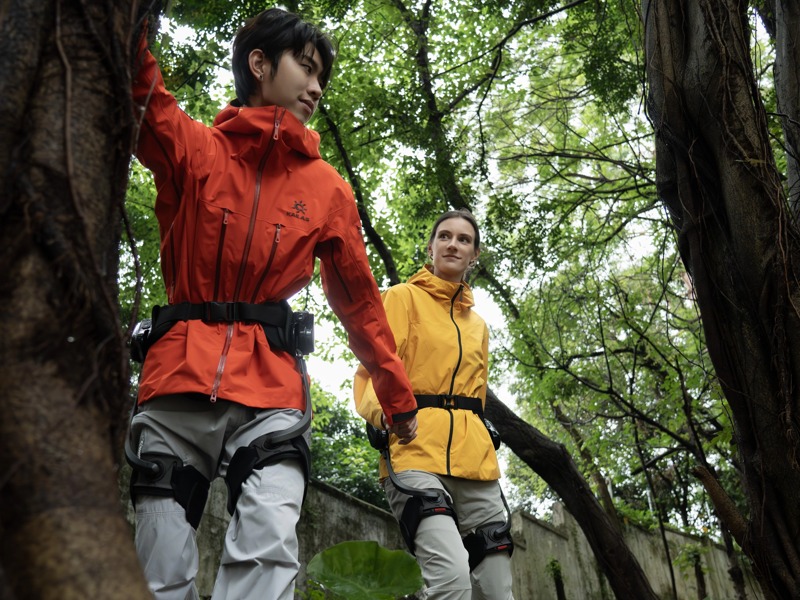
When planning a challenging trek or mountain expedition, choosing the right support equipment fundamentally shapes your experience. Two dominant approaches exist today: traditional hiking poles and the emerging trekking assist exoskeleton technology. Understanding the differences between these options helps you make an informed decision based on your physical capacity, terrain type, and expedition duration.
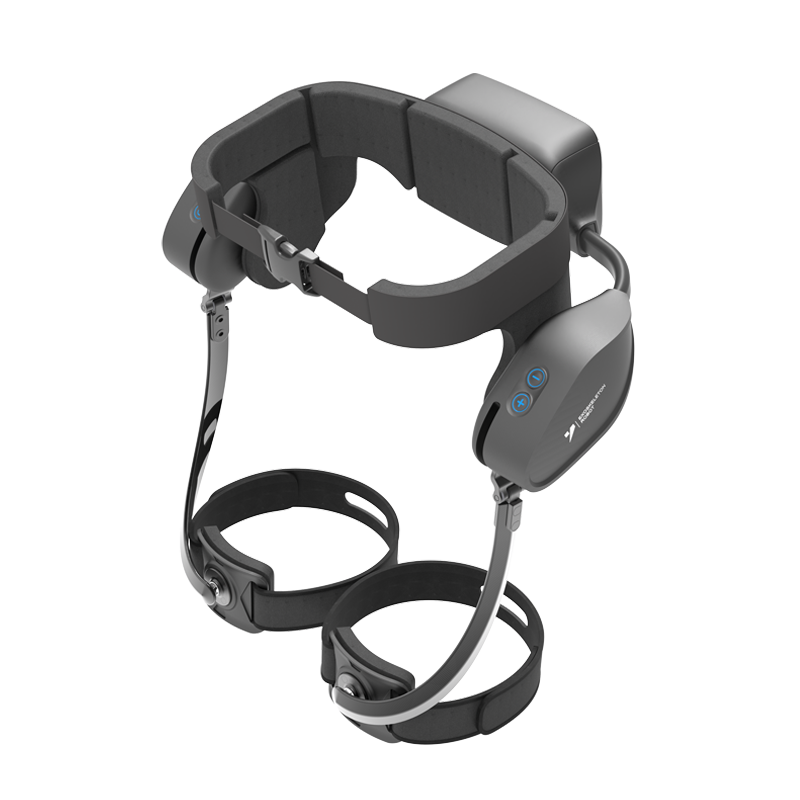
Each technology addresses the core challenge of managing physical strain during extended mountain travel. Hiking poles have served trekkers for decades through leverage and weight distribution. Exoskeleton systems represent a newer paradigm, using mechanical support and energy-efficient design to reduce muscular fatigue. This comparison examines their functional differences, practical applications, and how to evaluate which solution aligns with your trekking goals.
How Trekking Assist Exoskeleton Technology Works
Mechanical Support and Load Distribution
A trekking assist exoskeleton operates by distributing bodyweight and load pressure across a wearable frame structure. Unlike hiking poles that primarily assist the upper body, this technology engages the lower limbs and core. The exoskeleton's mechanical joints transfer downward force through reinforced leg segments to the ground, reducing the direct load on your knees, hips, and ankles during steep descents and prolonged climbs.
The key advantage lies in energy efficiency. By channeling force through engineered pathways rather than relying on muscular effort alone, the system reduces metabolic fatigue over extended distances. Trekkers report notably less leg soreness after long expeditions, particularly on downhill sections where impact forces peak. A qualified manufacturer of exoskeleton systems designs these devices to match human biomechanics, ensuring natural movement patterns and comfort during sustained use.
Adjustability and Customization
Modern exoskeleton devices include adjustable fastening points, height calibration, and load-bearing capacity settings. A quality supplier ensures the device adapts to different body types and weight distributions. This customization phase proves critical for comfort and efficacy. Improper fitting negates the technology's benefits and can create pressure points or movement restrictions. Professional fitting services, often provided by experienced manufacturers, optimize the device for individual user physiology.
Hiking Poles: Proven Functionality and Limitations
Traditional Support Mechanism
Hiking poles function as lever systems, transferring upper body force into the ground through the trekker's arms and hands. On uphill sections, poles reduce leg load by approximately fifteen to twenty percent through vertical push assistance. During downhill travel, poles absorb impact by providing forward stability and additional contact points. This lightweight approach requires no fitting or customization beyond length adjustment, making poles accessible to casual trekkers.
The fundamental limitation appears in sustained use on technical terrain and steep gradients. Poles primarily engage the upper body and shoulders; lower body muscles still bear the majority of load stress. Trekkers with knee vulnerability, prior injury, or age-related mobility concerns often find pole support insufficient for demanding multi-day expeditions. The support mechanism also demands active user engagement—fatigue in arms and shoulders can diminish assistance benefit as technique degrades.
Portability and Simplicity
Hiking poles offer genuine practical advantages in weight and setup. Collapsed and strapped to a pack, they add minimal bulk. No adjustment period or learning curve exists; most trekkers use poles effectively within the first hour. This simplicity appeals to casual hikers and those with variable terrain needs, since poles remain equally functional on smooth trails and technical scrambles. A hiker can pack or unpack poles within seconds, adapting to changing conditions instantly.
Comparative Performance: When Each Option Excels
Exoskeleton Advantage in Demanding Conditions
A trekking assist exoskeleton delivers measurable benefit on high-altitude treks, technical descents, and expeditions lasting five or more days. The distributed load support proves invaluable for trekkers over age fifty, those carrying heavy loads, or individuals with pre-existing joint concerns. Extended research partnerships between manufacturer and university biomechanics departments confirm reduced cartilage stress and injury recovery rates. On steep, sustained climbs or descents, exoskeleton users consistently report lower perceived exertion and faster recovery periods.
The investment in exoskeleton technology also appeals to professional guides, military personnel, and expedition leaders managing repeated high-demand travel. A supplier offering rental or trial programs allows assessment without full purchase commitment. For trekkers planning three or more major expeditions annually, the cumulative fatigue reduction justifies equipment cost and preparation time.
Hiking Poles for Flexibility and Accessibility
Hiking poles remain superior for diverse, moderate-intensity hiking where terrain varies significantly. Casual day treks, mixed elevation trails, and social group hikes typically favor poles due to setup simplicity and universal functionality. Trekkers uncertain about their endurance levels or testing new routes benefit from pole versatility. The low entry cost and zero learning curve ensure poles serve most recreational hikers effectively across varied conditions and seasons.
Selecting Equipment: Key Decision Factors
Assessing Physical Capacity and Goals
Your baseline physical condition, joint health history, and expedition intensity significantly influence the optimal choice. Trekkers planning challenging, extended expeditions with significant elevation gain should consider exoskeleton technology if knees or hips have prior injury history or age-related sensitivity. Conversely, hikers enjoying moderate day treks with stable terrain continue finding poles adequate and convenient. A reputable manufacturer or supplier can evaluate your biomechanics and recommend appropriate solutions based on your specific needs rather than generic marketing.
Consider also your trekking frequency and seasonality. Casual hikers might rent exoskeleton equipment for ambitious expeditions while maintaining poles for routine hiking. Regular expeditioners justify equipment ownership after conducting trials through a trusted manufacturer. The psychological aspect matters too—confidence in your support system enhances performance and enjoyment, making personal comfort with the equipment type a valid decision factor.
Budget and Long-Term Value
Hiking poles represent a one-time, minimal investment yielding decades of use. Exoskeleton systems require higher upfront investment, professional fitting through a qualified supplier, and potential maintenance or adjustment costs. However, injury prevention value deserves consideration. Joint damage sustained during demanding treks creates long-term healthcare and mobility consequences far exceeding equipment investment. For trekkers at elevated injury risk, exoskeleton technology provides insurance against accelerated joint degeneration.
FAQ
What exactly is a trekking assist exoskeleton and how does it differ from a wearable brace?
A trekking assist exoskeleton actively assists movement through engineered mechanical joints and force distribution channels. Unlike passive braces that merely stabilize joints, exoskeleton technology reduces actual muscular load by channeling bodyweight through reinforced external structures. This distinction means exoskeletons decrease fatigue and joint stress rather than simply restricting unwanted motion. A manufacturer designs exoskeletons for extended expedition use, whereas braces typically address injury rehabilitation.
Can hiking poles substitute for exoskeleton technology on challenging mountain treks?
For moderate treks, hiking poles provide adequate support through arm assistance and stabilization. However, on technically demanding terrain, high altitudes, or sustained steep descents, poles become insufficient for trekkers with joint vulnerabilities. The lower body support deficit becomes apparent after day two on challenging expeditions. A supplier of exoskeleton equipment can assess whether your specific trek duration and difficulty warrant the technology investment versus pole sufficiency for your fitness level.
Where can I obtain a properly fitted trekking assist exoskeleton, and what supplier considerations matter?
Select a manufacturer offering professional biomechanical assessment, custom adjustment options, and trial or rental programs. Reputable suppliers conduct gait analysis and load evaluation before recommending specific equipment configurations. Warranty coverage, maintenance support, and access to spare parts distinguish quality manufacturers from basic retailers. Established suppliers often partner with expedition companies and outdoor medicine professionals, signaling credibility and user-centered design philosophy.