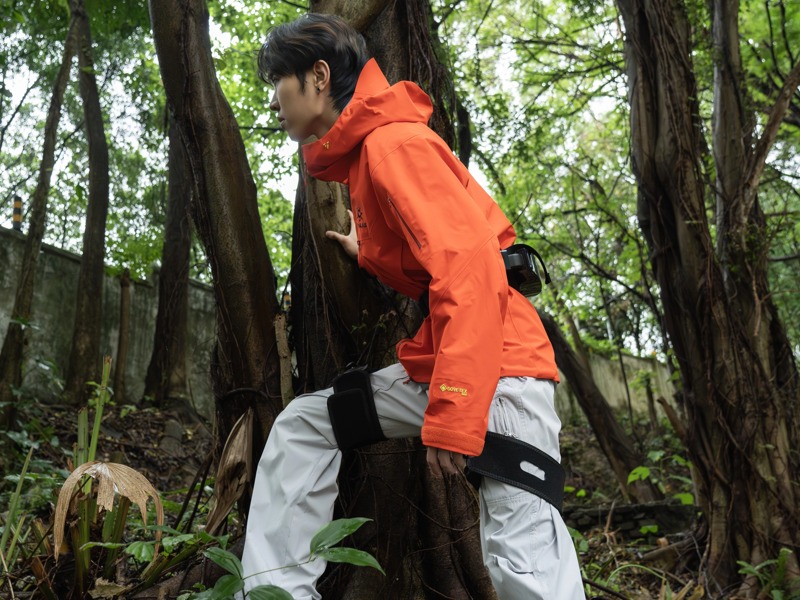
Outdoor trekking demands physical endurance, and a trekking assist exoskeleton has emerged as a transformative technology for serious hikers and mountaineers. These wearable robotic systems augment human strength and reduce fatigue during long-distance treks, enabling adventurers to tackle challenging terrain with greater comfort and safety. Whether you are planning multi-day expeditions or seeking recovery from previous injuries, understanding the capabilities and features of modern exoskeleton technology is essential for making an informed investment in your hiking performance.
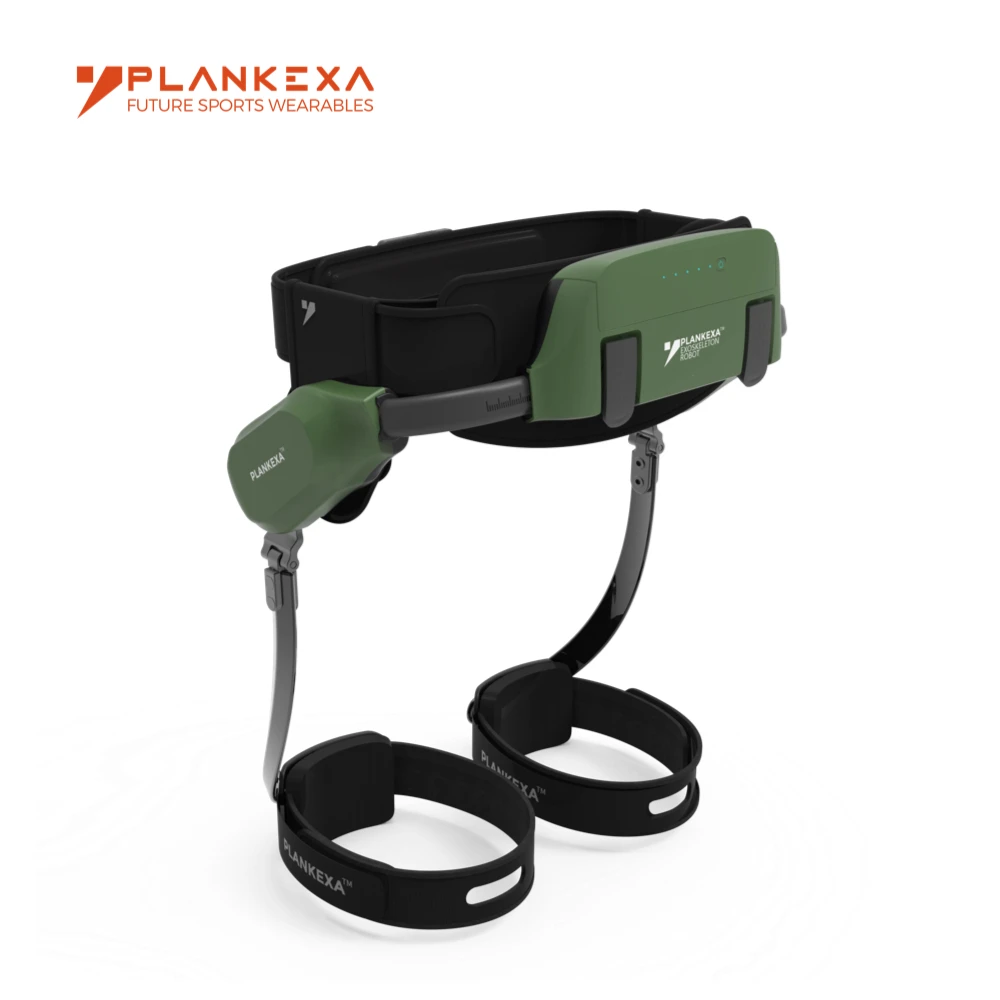
The market for trekking assist exoskeleton systems has expanded significantly as both established manufacturers and innovative suppliers recognize the demand from outdoor recreation and professional sectors. Selecting the right exoskeleton involves evaluating factors such as weight distribution, battery endurance, terrain adaptability, and user comfort. This review explores the leading options available, examining how different supplier and manufacturer approaches deliver distinct advantages for various trekking scenarios and user profiles.
Core Features and Design Philosophy
Lightweight Engineering and Load Distribution
A quality trekking assist exoskeleton prioritizes weight efficiency without compromising structural integrity. Leading manufacturers focus on carbon fiber and aluminum alloys to minimize the device's own mass while maximizing its load-bearing capacity. The design philosophy centers on distributing body weight and backpack load across the frame in ways that reduce spinal and leg strain. Rather than simply adding weight to the hiker, modern exoskeletons transfer force through optimized joint geometry and positioning to the ground with minimal user fatigue.
The supplier ecosystem has evolved to provide specialized components that enhance this load distribution. Hydraulic dampening systems, advanced articulation joints, and ergonomic harnesses work together to create a seamless interface between user and device. Each component selection influences how effectively the exoskeleton adapts to varied terrain slopes, stair climbing scenarios, and uneven ground conditions typical of serious trekking expeditions.
Battery Technology and Runtime Performance
Battery endurance directly determines how far and long a trekking assist exoskeleton can support your journey. Premium systems now offer lithium polymer or solid-state battery configurations providing 8 to 12 hours of continuous operation under standard hiking conditions. Manufacturer specifications typically indicate runtime under specific load weights and terrain types, making it essential to match battery capacity to your planned trek duration and resupply opportunities.
Supplier innovations in power management have also introduced adaptive assistance modes that extend battery life by intelligently scaling assistance relative to terrain difficulty. Uphill sections receive maximum support, while downhill sections require less active assistance, optimizing energy consumption across varied topography. Quick-charge capabilities available from leading manufacturers allow recovery time during camp stops, ensuring multi-day expeditions remain feasible without carrying backup power systems.
Performance Across Terrain Types
Mountain Trails and Steep Ascents
Steep mountain trekking places extreme demands on human legs and joints, particularly during high-altitude ascents where oxygen availability declines. A trekking assist exoskeleton designed for mountain performance delivers powered leg extension during climbing phases, reducing effort required from quadriceps and calf muscles. Manufacturer testing on gradient slopes between 15 and 45 degrees demonstrates that users can maintain faster pace while reporting 30 to 50 percent lower perceived exertion compared to unsupported trekking.
The mechanical advantage provided by quality exoskeleton systems allows hikers carrying substantial loads (30 to 60 pounds) to climb at sustained speeds previously requiring multiple rest breaks. Supplier partnerships with mountaineering communities have refined suspension tuning and joint stiffness to match the specific biomechanics of uphill movement, delivering responsive assistance that feels natural rather than mechanical or delayed.
Variable Terrain and Technical Navigation
Rocky, uneven, and technical terrain demands exoskeleton responsiveness and adaptive control that goes beyond simple powered assistance. Manufacturer development has incorporated AI-powered sensing systems that detect ground surface conditions and adjust joint stiffness in real time. A trekking assist exoskeleton with machine learning capability learns individual user gait patterns and terrain feedback, optimizing assistance delivery to individual physiology and preferred movement styles.
Supplier emphasis on sensor integration means modern systems incorporate accelerometers, gyroscopes, and pressure sensors throughout the frame to maintain stability on loose terrain. Descents present particular challenges, requiring absorption of forces that unsupported hikers manage through muscle braking. Advanced exoskeletons employ damping algorithms that prevent excessive joint extension while allowing natural movement, reducing knee strain during downhill sections that would otherwise contribute significantly to post-trek fatigue and injury risk.
User Comfort and Practical Considerations
Fit, Adjustment, and Long-Wear Comfort
Extended wear comfort separates practical trekking assist exoskeleton systems from laboratory prototypes. Successful manufacturers design harnesses and contact surfaces using pressure-distributing materials that remain comfortable during 8 to 12 hour daily wear cycles. Adjustability across multiple dimension points ensures users of varying torso lengths, shoulder widths, and hip positions can achieve proper alignment that centers load distribution and prevents rubbing or pressure points.
Ventilation and moisture management play overlooked but critical roles in user experience during multi-day treks. Supplier innovations in harness design incorporate moisture-wicking fabrics and perforated structural elements that prevent sweat accumulation in regions with extended skin contact. Testing across humid and dry environments confirms that well-designed systems maintain comfort even during high-exertion phases where perspiration would otherwise create chafing or heat-related discomfort in lesser designs.
Maintenance and Field Serviceability
A trekking assist exoskeleton operating in remote environments must tolerate field conditions with minimal maintenance and remain functional despite dust, mud, and mechanical stress. Manufacturer quality standards focus on sealed bearing assemblies, corrosion-resistant materials, and modular component design allowing field replacement of damaged parts without specialized tools. Access to manufacturer support and replacement components becomes essential for expeditions in regions far from service centers.
Supplier networks extending globally provide spare parts and technical documentation ensuring users can troubleshoot and address issues during extended treks. Documentation clarity, video support resources, and responsive customer service distinguish manufacturers who prioritize real-world user needs from those focused primarily on technical specifications. The ability to perform basic maintenance field adjustments without returning devices to service facilities becomes increasingly valuable for serious trekkers undertaking remote expeditions.
FAQ
What weight range can a modern trekking assist exoskeleton support?
Leading manufacturer designs accommodate users weighing 110 to 280 pounds while carrying backpacks between 20 and 70 pounds. The trekking assist exoskeleton frame distributes combined body and pack weight across hip, thigh, and lower leg attachment points, with load capacity varying based on specific model design and material specifications. Manufacturer documentation provides precise guidance for your body weight range and intended load capacity, ensuring the exoskeleton functions within engineered parameters and maintains safety margins during demanding terrain.
How do suppliers ensure exoskeleton systems remain reliable during extended expeditions?
Quality suppliers implement rigorous testing protocols simulating multi-week field conditions including temperature extremes, humidity exposure, and mechanical stress. A trekking assist exoskeleton from established manufacturers undergoes validation across terrain types and climates representative of planned user environments. Redundant system designs, sealed component assemblies, and modular architecture allow users to continue trekking even if individual components fail, with replacement parts and technical documentation enabling field repairs without evacuation requirements.
Can a trekking assist exoskeleton improve hiking performance for users with lower-body injuries or conditions?
Medical-grade exoskeleton systems developed in partnership with sports medicine professionals can provide significant benefits for users with previous injuries, chronic pain, or muscular limitations. The trekking assist exoskeleton transfers load away from compromised joints and muscles, reducing stress on affected areas while enabling participation in outdoor activities previously impossible. However, users with specific medical conditions should consult healthcare providers before use, as individual circumstances require customized assessment from qualified professionals familiar with exoskeleton technology and personal medical history.