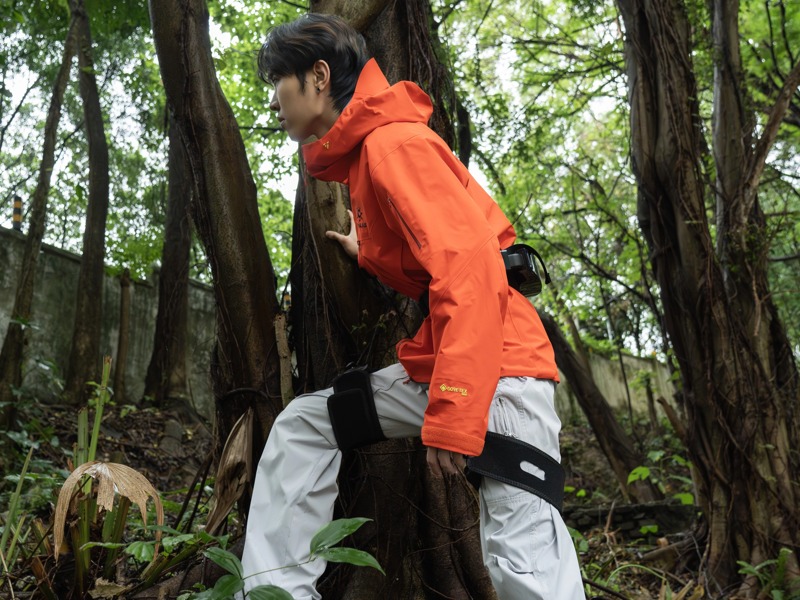
Choosing the right gear for long-distance hiking can mean the difference between an enjoyable adventure and a physically exhausting ordeal. A trekking assist exoskeleton represents a modern solution designed to reduce leg fatigue, support your joints, and enable you to cover greater distances without excessive strain. Whether you are a seasoned mountaineer tackling multi-day expeditions or a recreational hiker exploring challenging terrain, understanding the features and benefits of a trekking assist exoskeleton can help you make an informed purchase decision.

This buying guide walks you through the essential factors to consider when selecting a trekking assist exoskeleton. From weight distribution and battery life to comfort and terrain adaptability, each element plays a critical role in your overall hiking experience. By understanding what makes a trekking assist exoskeleton effective for your specific needs, you can invest in equipment that truly enhances your outdoor pursuits rather than simply adding extra load to your pack.
Understanding Trekking Assist Exoskeleton Technology
How a Trekking Assist Exoskeleton Works
A trekking assist exoskeleton functions by distributing your body weight more efficiently and supporting your leg muscles during extended outdoor activity. The exoskeleton uses motors and intelligently designed joints to reduce the muscular effort required for each step. Unlike passive support systems, an active trekking assist exoskeleton continuously adjusts its assistance based on your gait and terrain conditions. This dynamic support allows hikers to maintain consistent performance across varying elevations and ground surfaces without depleting their energy reserves as quickly as traditional hiking would.
Core Benefits for Long Trail Hiking
The primary advantage of using a trekking assist exoskeleton on long trails is extended endurance. By reducing fatigue in your quadriceps, hip flexors, and calf muscles, a trekking assist exoskeleton enables you to hike longer distances with greater comfort. Many users report significantly reduced knee and ankle strain, which is particularly valuable for hikers carrying heavy backpacks or navigating steep terrain. Additionally, a trekking assist exoskeleton can improve your recovery time after challenging hikes, allowing you to plan back-to-back trail adventures without requiring extended rest periods.
Key Features to Evaluate in Your Purchase
Weight and Portability Considerations
The weight of your trekking assist exoskeleton is a critical factor that directly impacts your hiking experience. A lightweight trekking assist exoskeleton minimizes the additional burden you carry while still providing substantial assistance. Look for models constructed from advanced materials like carbon fiber or reinforced polymers that offer strength without excessive mass. Most quality trekking assist exoskeleton systems range from fifteen to twenty-five pounds, depending on features and load capacity. When evaluating portability, consider whether the trekking assist exoskeleton can be partially disassembled for transport in your vehicle or packed as checked luggage for remote trailhead access.
Battery Performance and Runtime
Battery life determines how long your trekking assist exoskeleton can provide powered assistance on extended hiking days. Premium models offer eight to twelve hours of continuous operation on a single charge, sufficient for most full-day hiking expeditions. Consider the charging infrastructure available at your trailhead or base camp when selecting a trekking assist exoskeleton with specific battery specifications. Fast-charging technology becomes valuable if you plan consecutive multi-day trips where overnight charging may be limited. Verify whether the trekking assist exoskeleton includes a lightweight portable charger or requires standard wall outlets for recharging.
Comfort and Fit Customization
An ill-fitting trekking assist exoskeleton can create discomfort and reduce its effectiveness despite advanced technology. Quality models feature adjustable harness systems, customizable joint angles, and ergonomic padding that accommodate various body types and sizes. When evaluating a trekking assist exoskeleton, test the suspension system thoroughly to ensure even weight distribution across your shoulders, hips, and core. The straps should be adjustable without requiring tools, allowing quick modifications if your clothing layers change with temperature fluctuations. Look for models with breathable materials that prevent moisture accumulation during intense physical activity, as this directly impacts your comfort during long trail sessions with a trekking assist exoskeleton.
Practical Considerations for Trail Selection
Terrain Adaptability and Safety
Different trail types demand different performance characteristics from your trekking assist exoskeleton. Steep mountain passes require strong downhill support, while flat terrain benefits from forward propulsion assistance. An adaptive trekking assist exoskeleton with sensor technology adjusts its assistance profile based on incline, decline, and ground stability. Safety features such as emergency power-down mechanisms and redundant joint locks become essential when hiking in remote areas where equipment failure could create dangerous situations. Ensure your chosen trekking assist exoskeleton has been tested on comparable terrain to your planned expeditions before committing to a purchase.
Maintenance and Durability
Long-term reliability determines whether your investment in a trekking assist exoskeleton pays dividends over multiple seasons of use. Examine the construction quality of joints, motors, and electrical connections to ensure they withstand repeated exposure to dirt, moisture, and temperature variations. A durable trekking assist exoskeleton should feature sealed bearings, water-resistant wiring, and replaceable wear components like straps and padding. Research the manufacturer's warranty coverage and availability of spare parts before purchasing, as repair accessibility directly affects your equipment's long-term viability. Read user reviews specifically addressing durability across multiple seasons to make informed judgments about which trekking assist exoskeleton models maintain performance over extended use periods.
Weight Capacity and Load Testing
Your body weight plus your backpack load must fall within the specifications of your trekking assist exoskeleton to ensure safe, effective operation. Most commercial models support users between 120 and 250 pounds plus an additional 50 to 80 pounds of gear weight. Manufacturers conduct rigorous testing of their trekking assist exoskeleton units under maximum load conditions, and exceeding these limits compromises motor performance and structural integrity. Verify the weight capacity rating of any trekking assist exoskeleton before purchase, accounting for seasonal gear variations that might push your total load across different types of trails. Conservative selection—choosing a model rated above your actual weight—provides a safety margin and ensures consistent performance throughout the lifespan of your trekking assist exoskeleton.
FAQ
Is a trekking assist exoskeleton suitable for beginners?
Yes, a trekking assist exoskeleton is highly suitable for beginners because it reduces physical strain and builds hiking confidence. Beginners benefit significantly from the reduced muscle fatigue that a trekking assist exoskeleton provides, allowing them to focus on proper footwork and trail awareness rather than managing leg exhaustion. Starting with a trekking assist exoskeleton enables newer hikers to tackle more challenging trails earlier than they would be able to without assistance, creating more rewarding experiences and encouraging continued engagement with outdoor recreation.
How does a trekking assist exoskeleton perform on steep descents?
A well-designed trekking assist exoskeleton provides graduated deceleration support during downhill sections, protecting your knees and ankles from impact stress. The assisted descent functionality of a quality trekking assist exoskeleton slows your pace safely and distributes impact forces more evenly than unassisted hiking. This controlled descent support significantly reduces the joint pain that many hikers experience during long downhill sections, making your trekking assist exoskeleton valuable for maintaining comfort throughout the entire hike.
What weather conditions affect trekking assist exoskeleton performance?
Extreme cold can reduce battery efficiency in a trekking assist exoskeleton, while excessive heat may require brief cooling periods during continuous operation. Most modern trekking assist exoskeleton systems incorporate thermal management to maintain performance across standard outdoor temperature ranges. Heavy rain or wet conditions require a trekking assist exoskeleton with proper waterproofing, so verify weatherproofing specifications before using your equipment in wet environments. Storing your trekking assist exoskeleton in temperature-stable conditions between uses extends component lifespan and maintains consistent performance.