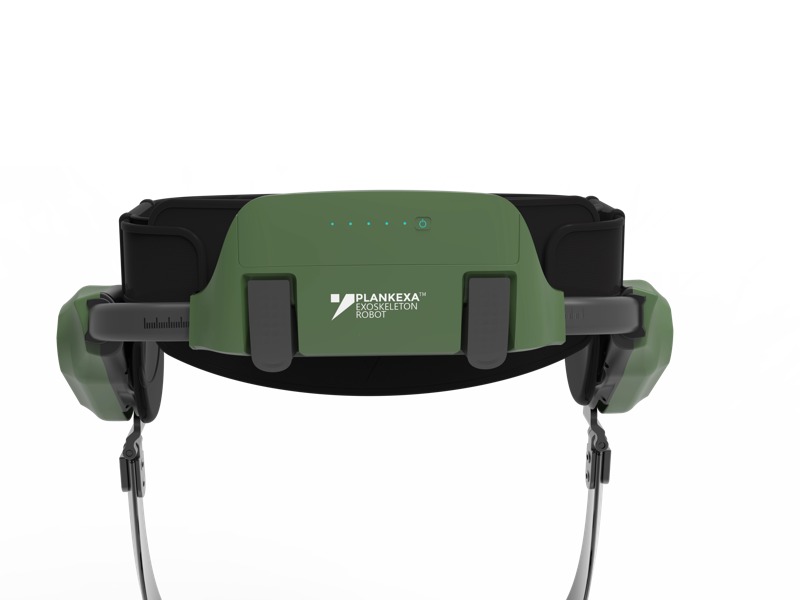
Exoskeleton robots represent a revolutionary shift in how humans interact with physical labor, rehabilitation, and mobility assistance. These wearable mechanical frameworks, powered by motors and controlled through sensors and artificial intelligence, augment human strength and endurance while reducing physical strain on the body. Exoskeleton robots are no longer confined to science fiction or military applications; they now serve elderly populations, rehabilitation centers, industrial workers, and individuals recovering from mobility-related injuries.
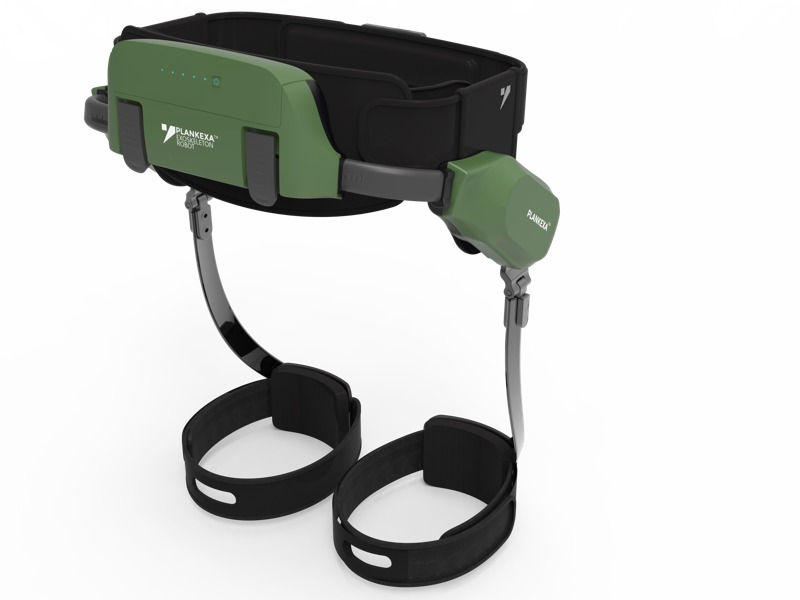
The fundamental promise of exoskeleton robots is simple yet profound: to restore independence and capability when biological limitations arise. Whether someone has suffered a spinal cord injury, battles age-related mobility loss, or faces grueling occupational demands, exoskeleton robots provide a practical bridge between aspiration and physical reality. Understanding how these systems work, what makes them effective, and where they fit into modern healthcare and industrial contexts is essential for decision-makers, caregivers, and individuals exploring mobility solutions.
Understanding Exoskeleton Robots and Core Mechanics
What Are Exoskeleton Robots?
Exoskeleton robots are wearable robotic suits that overlay the human body, creating a symbiotic partnership between human intention and mechanical power. Unlike passive orthotics or braces, exoskeleton robots employ active electric motors, hydraulic systems, or pneumatic actuators that amplify or replace human muscular effort. The term 'exoskeleton' derives from the external skeletal framework that insects and crustaceans wear; similarly, exoskeleton robots form an external structural layer that users wear like clothing or armor. Each exoskeleton robot model targets specific joints—hips, knees, ankles, or the entire lower body—depending on the user's mobility needs and functional goals.
How Exoskeleton Robots Operate
Modern exoskeleton robots integrate multiple technologies to function seamlessly with the wearer's movements. Sensors embedded in the exoskeleton robots detect the user's intended motion through pressure, electromyography (muscle electrical signals), or joint angle changes. An onboard computer interprets these signals and commands the motors or actuators to provide proportional assistance. For instance, when a user with reduced leg strength attempts to stand, the exoskeleton robots' motors engage, lifting the user's body weight while the user contributes their remaining strength. This synergy between human intent and robotic power defines how exoskeleton robots achieve their mobility-enhancing effect. Battery systems power most portable exoskeleton robots, typically supporting 4 to 8 hours of continuous use depending on activity intensity and model specifications.
Transformative Applications and Real-World Impact
Healthcare and Rehabilitation Uses of Exoskeleton Robots
Exoskeleton robots have emerged as game-changing tools in hospitals, clinics, and rehabilitation facilities worldwide. Patients recovering from spinal cord injuries, stroke, or lower-limb amputation use exoskeleton robots to regain standing and walking capabilities that were previously lost. Beyond recovery, exoskeleton robots enable therapists to provide consistent, repeatable, and intensive rehabilitation protocols that accelerate neurological rewiring and muscle reconditioning. Clinical evidence demonstrates that individuals using exoskeleton robots often achieve faster functional recovery, reduced pain, and improved psychological outcomes compared to traditional therapy alone. Exoskeleton robots also reduce caregiver burden by enabling independent or semi-independent mobility, which preserves dignity and autonomy for patients who would otherwise require constant manual assistance.
Industrial and Occupational Applications
Beyond healthcare, exoskeleton robots serve industrial workers in manufacturing, construction, and logistics sectors. Workers wearing industrial-grade exoskeleton robots can lift heavier loads, sustain repetitive motions longer, and experience fewer work-related injuries. Exoskeleton robots reduce spinal compression, shoulder strain, and fatigue-related accidents, directly lowering workers' compensation claims and improving workplace safety records. In physically demanding environments, exoskeleton robots allow workers to maintain productivity well into their later career years, extending their working lifespan and reducing early retirement due to physical deterioration. Companies deploying exoskeleton robots report improved employee satisfaction, lower absenteeism, and measurable productivity gains.
Key Benefits and Practical Limitations of Exoskeleton Robots
Advantages That Drive Adoption of Exoskeleton Robots
The primary advantage of exoskeleton robots is their capacity to restore functional independence to individuals whose mobility would otherwise remain severely compromised. Exoskeleton robots enhance safety by reducing fall risk, supporting weight-bearing in weakened limbs, and providing predictable, controlled movement. Users of exoskeleton robots often experience psychological benefits—renewed confidence, reduced anxiety about falls, and restored social participation. Exoskeleton robots are customizable; different models target different body regions and support various activity levels, from household walking to outdoor terrain navigation. Additionally, exoskeleton robots reduce caregiver strain and enable aging populations to live independently longer, addressing critical workforce and social challenges in aging societies. The learning curve for most exoskeleton robots is relatively gentle, allowing users to adapt within days or weeks rather than months.
Realistic Considerations and Challenges
Despite their transformative potential, exoskeleton robots face practical and economic constraints. Initial acquisition costs remain high, typically ranging from tens of thousands to hundreds of thousands of dollars depending on the model and technology sophistication. Insurance coverage for exoskeleton robots varies widely, creating affordability barriers for many individuals who would benefit most. Weight and bulkiness of some exoskeleton robots models can complicate daily use, storage, and transportation. Battery life limitations mean users must plan around charging schedules, and cold temperatures or rugged terrain may reduce operational efficiency. Maintenance requirements, technical support availability, and the specialized training needed for optimal fitting all add to the total cost of ownership for exoskeleton robots. Users with severe cognitive impairment or certain medical conditions may struggle with the coordinated control that exoskeleton robots demand.
Future Trajectory and Emerging Innovations
Technological Advancements Reshaping Exoskeleton Robots
The exoskeleton robots field is evolving rapidly, with artificial intelligence, lightweight materials, and improved battery chemistry driving the next generation of capabilities. Newer exoskeleton robots incorporate machine learning algorithms that learn individual gait patterns and adapt assistance in real time, creating increasingly intuitive and personalized experiences. Carbon fiber and advanced polymers are reducing the weight of exoskeleton robots while maintaining structural integrity, making daily wear more comfortable and practical. Wireless connectivity enables remote monitoring of exoskeleton robots usage, allowing clinicians and families to track progress and adjust settings without in-person visits. Modular designs are emerging that allow users to configure exoskeleton robots for different activities—lighter setups for household use, heavier-duty configurations for outdoor or occupational contexts.
Market Growth and Accessibility Horizon
As manufacturing scales and competition intensifies, prices for exoskeleton robots are gradually declining, expanding accessibility to broader populations. Insurance and government reimbursement frameworks are beginning to recognize exoskeleton robots as legitimate medical devices, accelerating adoption in clinical settings. Rental and leasing models are emerging, allowing individuals to trial exoskeleton robots before committing to purchase. Public awareness campaigns and clinical trial data are driving acceptance among both healthcare professionals and patients, normalizing exoskeleton robots as a standard mobility tool rather than an experimental device. Within the next decade, exoskeleton robots are expected to become as commonplace in rehabilitation clinics as wheelchairs are today, fundamentally reshaping expectations around mobility restoration and aging in place.
FAQ
Who are the primary candidates for exoskeleton robots?
Primary candidates include individuals with spinal cord injuries, stroke survivors, patients with neurological conditions affecting mobility, elderly individuals with age-related weakness, post-surgical recovery patients, and industrial workers in physically demanding roles. The ideal candidate has sufficient cognitive ability to learn the system, adequate upper body strength for balance and control, and realistic goals around functional improvement. Medical professionals evaluate candidates based on individual health status, motivation, and specific functional deficits to determine whether exoskeleton robots align with their rehabilitation or occupational needs.
How long does it take to learn to use exoskeleton robots?
Most users achieve basic competency with exoskeleton robots within 2 to 4 weeks of regular practice under professional guidance. Initial sessions focus on safety, balance, and simple movements, progressing to complex tasks and outdoor environments. Full mastery—where users move intuitively without conscious thought—typically requires 8 to 12 weeks of consistent use. Training intensity and individual learning pace vary, so some users progress faster while others benefit from extended practice periods. Professional trainers customize protocols based on the user's cognitive capacity, prior mobility experience, and specific functional goals.
Are exoskeleton robots covered by insurance or government programs?
Coverage for exoskeleton robots varies significantly by insurance provider, geographic location, and medical context. Some Medicare plans, private insurers, and workers' compensation systems now cover exoskeleton robots when clinically justified for rehabilitation, though documentation and prior authorization requirements are typically stringent. Government programs in certain countries provide subsidies or full funding for exoskeleton robots in healthcare settings. Individuals exploring exoskeleton robots should consult with their healthcare provider and insurance company early to understand eligibility, coverage conditions, and out-of-pocket costs before pursuing acquisition or rental.