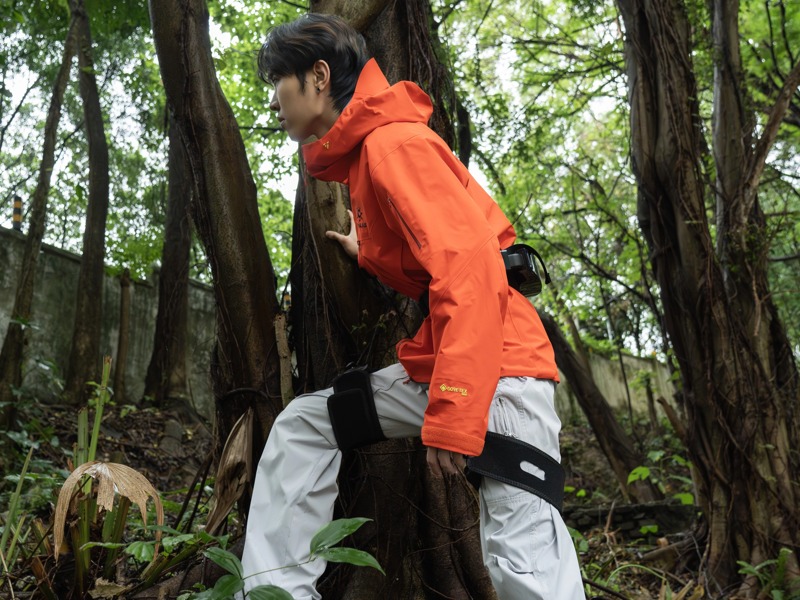
Outdoor enthusiasts and professional trekkers are increasingly exploring innovative technologies to enhance their hiking experiences. The trekking assist exoskeleton represents a significant advancement in wearable outdoor equipment, designed to reduce physical strain during long-distance hiking and mountaineering expeditions. Understanding both the advantages and limitations of a trekking assist exoskeleton is crucial for making informed decisions about whether this technology suits your trekking needs and physical capabilities.
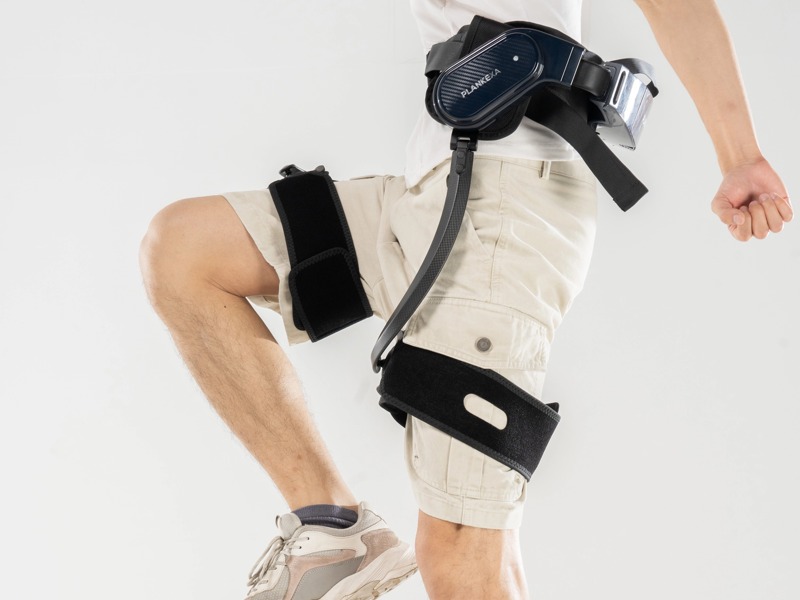
A trekking assist exoskeleton works by mechanically augmenting your natural movement patterns, providing additional support to your legs, lower back, and joints during demanding hikes. By distributing load more efficiently across your musculoskeletal system, a trekking assist exoskeleton can significantly extend your hiking endurance, reduce muscle fatigue, and improve your overall comfort on challenging terrain. This guide explores the practical benefits and drawbacks you should consider before incorporating a trekking assist exoskeleton into your outdoor adventures.
Key Advantages of a Trekking Assist Exoskeleton
Enhanced Load Distribution and Fatigue Reduction
One of the primary benefits of using a trekking assist exoskeleton on extended trips is its ability to redistribute weight more effectively across your body. Rather than concentrating load on your knees, ankles, and lower back, a trekking assist exoskeleton spreads the burden across multiple joint systems, thereby reducing localized stress and discomfort. This mechanical advantage means your leg muscles work less intensively, which translates to reduced fatigue during long hiking days and improved recovery times afterward.
Medical research suggests that individuals wearing a trekking assist exoskeleton experience measurably lower oxygen consumption rates compared to unsupported hiking, indicating improved metabolic efficiency. For trekkers carrying heavy backpacks or tackling steep elevation gains, a trekking assist exoskeleton can make the difference between completing a challenging route comfortably and struggling through exhaustion. This fatigue reduction is particularly valuable on multi-day treks where cumulative physical stress becomes a limiting factor.
Extended Hiking Duration and Capability Expansion
A trekking assist exoskeleton enables hikers to extend their daily trekking distance by 15 to 30 percent compared to unsupported hiking under identical conditions. This expanded capability opens previously challenging routes to a broader population, including older trekkers, individuals recovering from injury, and those with chronic joint conditions. By wearing a trekking assist exoskeleton, recreational hikers can access wilderness areas and high-altitude peaks that would otherwise remain beyond their physical reach.
Professional guides and expedition organizers increasingly recognize that a trekking assist exoskeleton allows larger groups to traverse difficult terrain together, rather than splitting into separate pace cohorts. This unified approach improves group safety, simplifies logistics, and creates a more cohesive expedition experience. The extended capability provided by a trekking assist exoskeleton makes particularly rigorous multi-day treks more accessible to enthusiasts of varying fitness levels.
Significant Drawbacks and Limitations
Weight, Maintenance, and Technical Complexity
Despite its benefits, a trekking assist exoskeleton introduces additional weight to your overall load, typically between 3 and 8 kilograms depending on the model and technology level. For trekkers focused on ultralight hiking philosophy, a trekking assist exoskeleton may feel counterproductive, especially on shorter day hikes where the mechanical advantage doesn't fully justify the added weight. This weight consideration becomes even more critical when trekking in remote regions where you cannot access replacement parts or technical support.
Battery maintenance presents another significant challenge when using a trekking assist exoskeleton on multi-day expeditions. Most powered exoskeleton systems require daily charging, which may prove impractical in backcountry environments lacking electrical infrastructure. A trekking assist exoskeleton also involves mechanical components prone to wear, misalignment, and failure from environmental exposure, dirt accumulation, and temperature extremes. Without proper maintenance knowledge, technical failures during remote treks could jeopardize both safety and expedition success.
Cost, Training, and Physical Dependency
Quality exoskeleton systems for trekking represent substantial financial investments, often ranging from thousands to tens of thousands of dollars depending on technology sophistication. For recreational trekkers who trek infrequently, the cost-to-benefit ratio of purchasing and maintaining a trekking assist exoskeleton may not justify the expense compared to alternative approaches like improved conditioning or route selection. Additionally, wearing a trekking assist exoskeleton on every trek could potentially diminish your natural leg muscle strength and cardiovascular fitness over time through muscular adaptation.
Using a trekking assist exoskeleton requires proper training to wear the device correctly, adjust it for your body dimensions, and troubleshoot common issues. Improper fit or adjustment of a trekking assist exoskeleton can actually increase injury risk rather than reduce it, making professional fitting and training essential but not always readily available. For trekkers in regions without exoskeleton service centers, a trekking assist exoskeleton becomes a liability rather than an asset if problems develop during expedition.
Practical Considerations for Trip Planning
Route Type and Environmental Suitability
A trekking assist exoskeleton performs optimally on well-defined trails with moderate to steep grades where consistent load distribution is valuable. However, highly technical scrambling, rock climbing sections, and unstable terrain can be more difficult to navigate while wearing a trekking assist exoskeleton, since the device's bulk and weight affect balance and agility. Before committing to using a trekking assist exoskeleton on a specific trip, carefully evaluate whether the terrain characteristics align with the device's mechanical capabilities and limitations.
Climate and environmental conditions also influence whether a trekking assist exoskeleton makes practical sense for your trip. Extreme cold affects battery performance significantly, potentially reducing a trekking assist exoskeleton's assistance level or causing complete power loss in high-altitude, sub-zero conditions. Similarly, high-humidity environments and dusty trails can accelerate wear on mechanical components of a trekking assist exoskeleton, requiring more frequent maintenance and increasing long-term ownership costs.
Personal Fitness Level and Trek Duration
A trekking assist exoskeleton provides maximum benefit for trekkers tackling multi-day expeditions or facing significant elevation challenges beyond their typical fitness capability. Day hikers on well-maintained trails generally derive minimal advantage from a trekking assist exoskeleton unless they're addressing specific joint pain or mobility limitations. Your personal fitness baseline, age, any existing injuries, and the specific physical demands of your planned trek should all inform your decision about whether adopting a trekking assist exoskeleton aligns with your actual needs.
Consider also the learning curve associated with using a trekking assist exoskeleton effectively. Your first few hikes while wearing a trekking assist exoskeleton should involve familiar, lower-risk routes so you can develop comfort and confidence with the equipment. Attempting a challenging, unfamiliar trek while simultaneously adjusting to a trekking assist exoskeleton introduces unnecessary risk and uncertainty.
FAQ
Can a trekking assist exoskeleton help with knee pain during hiking?
Yes, a trekking assist exoskeleton can significantly reduce knee pain during hiking by distributing impact forces more evenly across your lower limbs and reducing the isolated stress on knee joints. The mechanical support provided by a trekking assist exoskeleton helps stabilize your legs during descent, which is when knee pain typically intensifies. However, consult with a sports medicine professional to ensure a trekking assist exoskeleton is appropriate for your specific knee condition, since some injuries may benefit from alternative approaches.
How much weight reduction do you get wearing a trekking assist exoskeleton?
A properly fitted trekking assist exoskeleton can reduce the effective load your legs experience by 10 to 25 percent, depending on the device technology, your hiking pace, and terrain difficulty. This perceived weight reduction means your muscles work as if your backpack is significantly lighter, which translates into extended endurance and reduced fatigue accumulation. The exact benefit varies between individuals and increases with higher backpack loads and steeper inclines where a trekking assist exoskeleton engagement becomes more pronounced.
Is a trekking assist exoskeleton worth the investment for occasional hikers?
For occasional hikers on standard trails, a trekking assist exoskeleton probably doesn't represent a sound financial investment given its high cost and limited use frequency. However, if you hike regularly on challenging terrain, manage joint issues, or plan multi-week expeditions, a trekking assist exoskeleton becomes more economically justified over its operational lifespan. Evaluate your trekking frequency, typical terrain difficulty, and specific physical limitations before deciding whether a trekking assist exoskeleton fits your outdoor adventure profile.