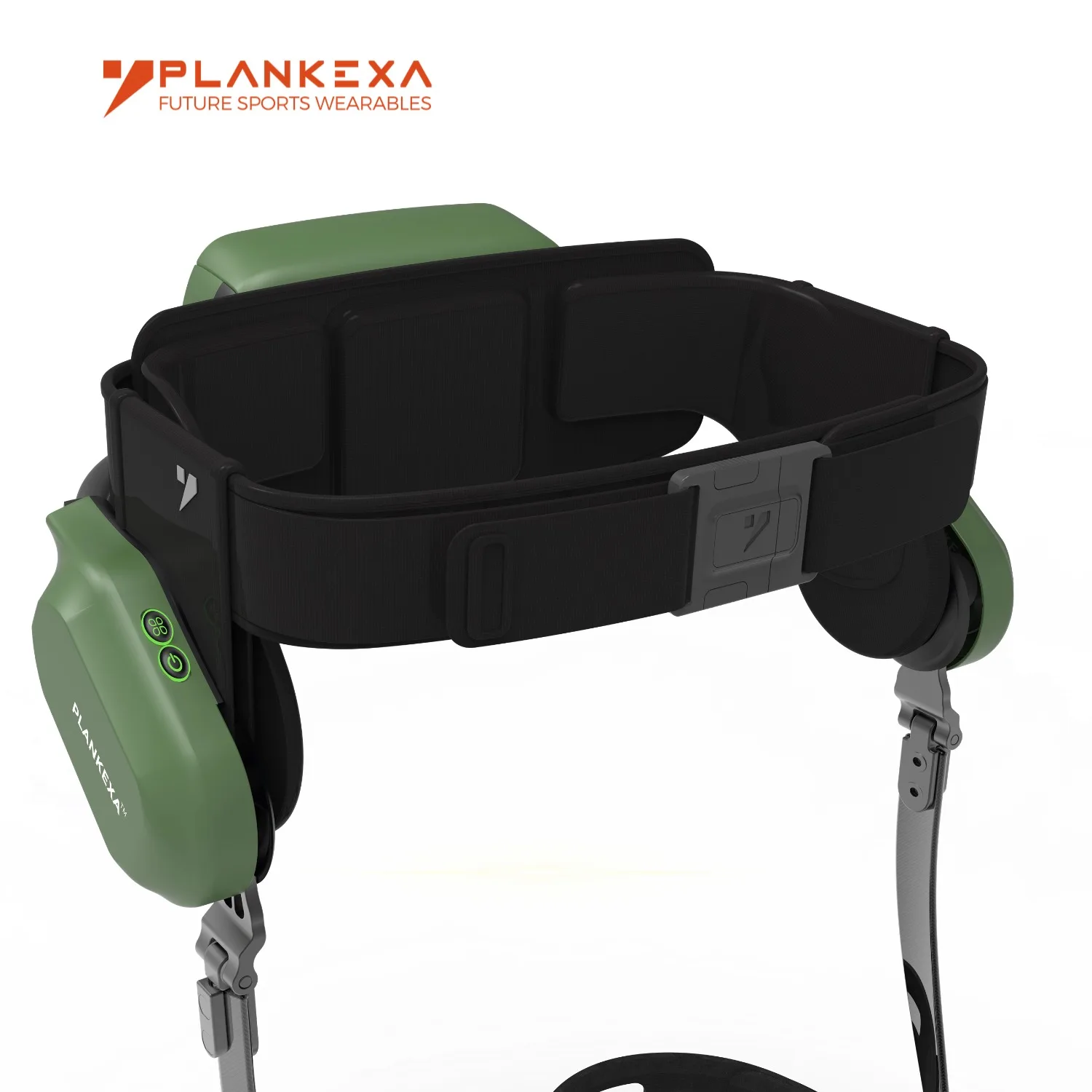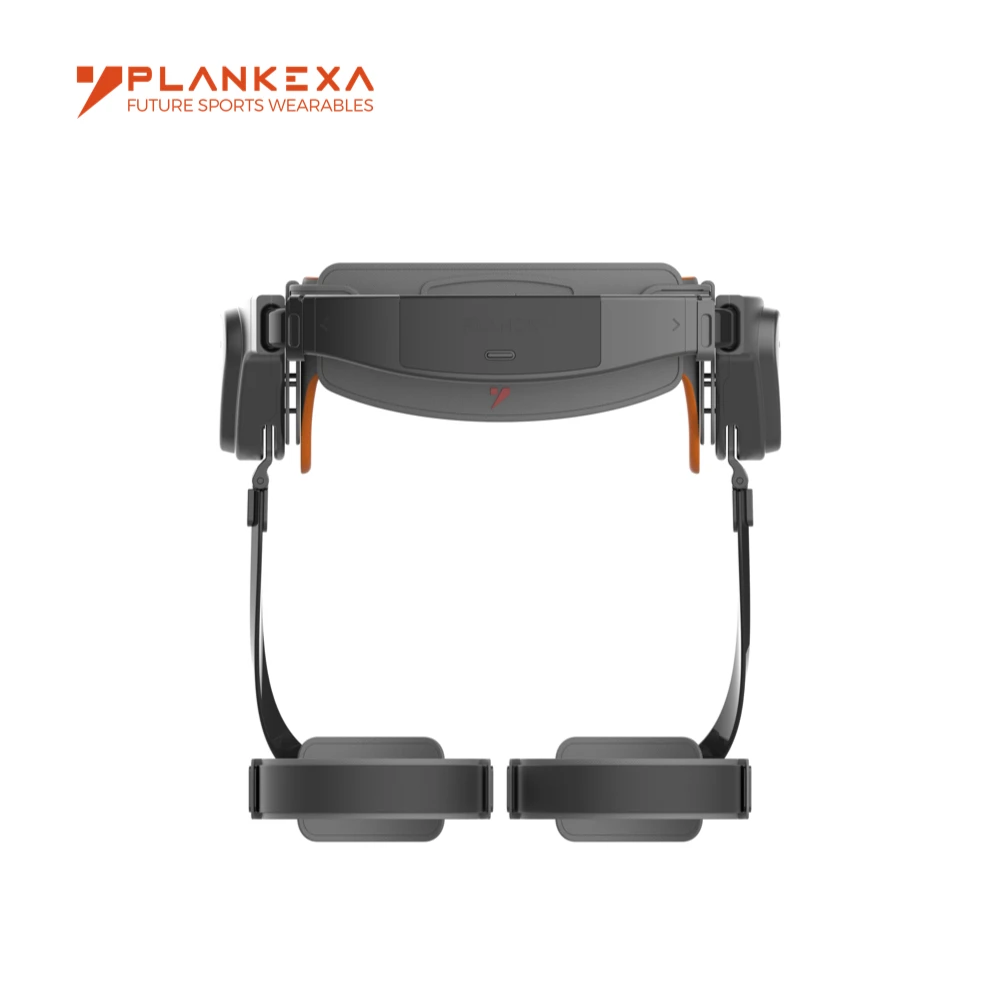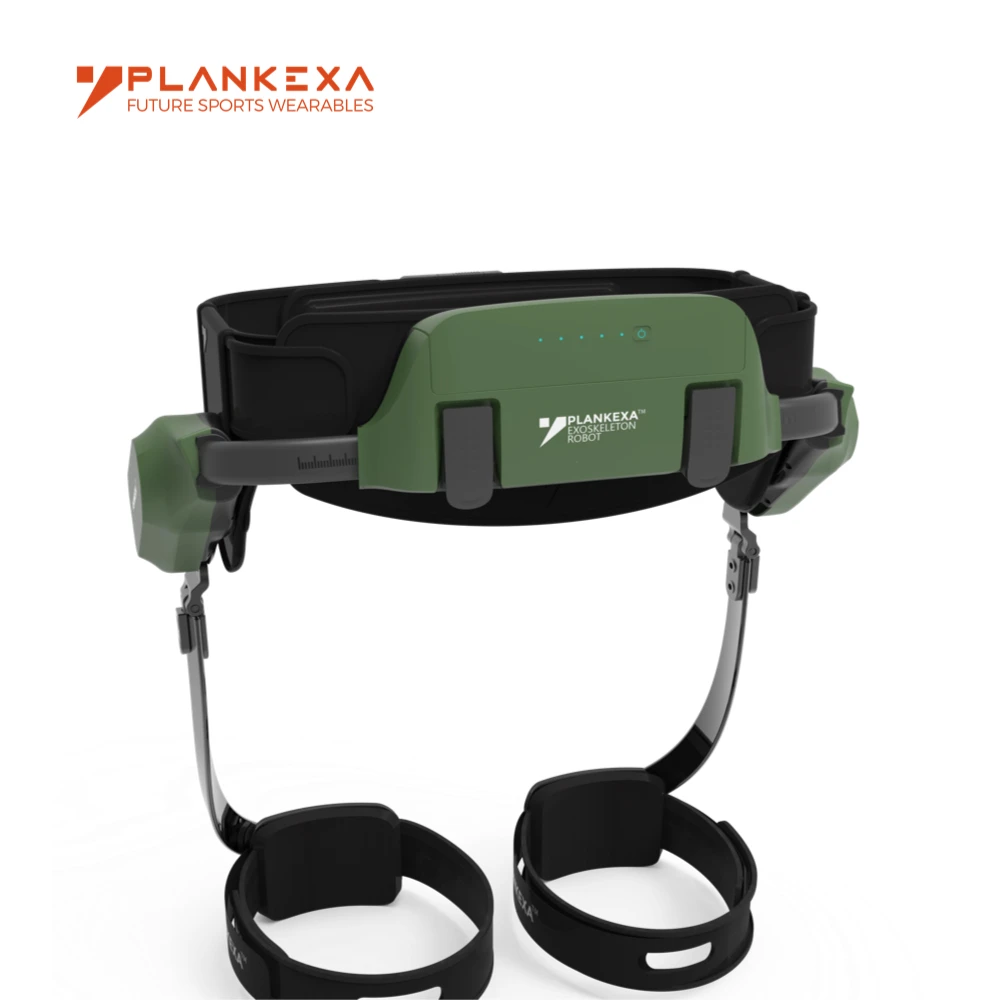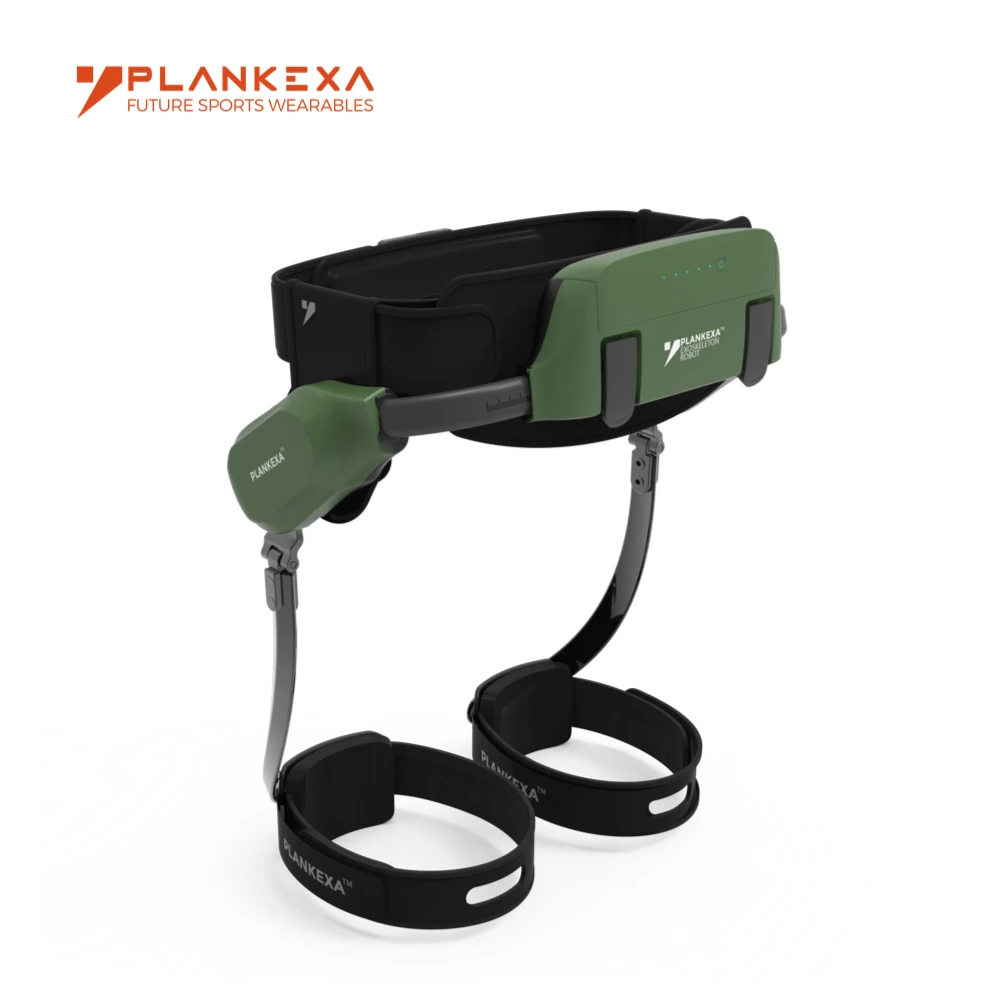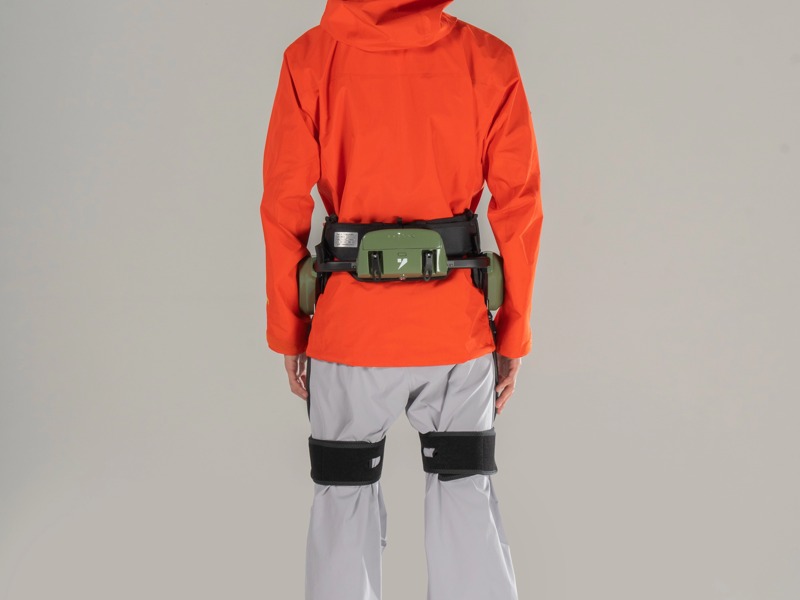
The pricing of exoskeleton suits designed for disabled users is determined by multiple core factors including technical configuration, material standard, clinical certification and customized adaptation requirements. Medical-grade exoskeleton devices for people with mobility impairments need to undergo long-term clinical trials, safety verification and official regulatory approval, which generates plenty of hidden costs in performance calibration, biomechanical testing and technical upgrading. Active powered exoskeleton suits equipped with high-precision sensors, adaptive control systems and durable battery modules require heavy investment in hardware procurement and independent software research and development. Lightweight aviation materials are widely adopted to guarantee safety and wearing comfort, further lifting overall manufacturing thresholds. Besides standard finished products, personalized size adjustment and rehabilitation parameter setting for different disabled groups also bring additional technical costs. Compared with industrial civilian models, the strict safety and reliability standards of disability-oriented exoskeletons raise comprehensive development and production costs. As the industrial chain matures and market demand expands, relevant products are continuously optimized in production processes, gradually making overall pricing more reasonable and lowering the application threshold for rehabilitation institutions and individual families.