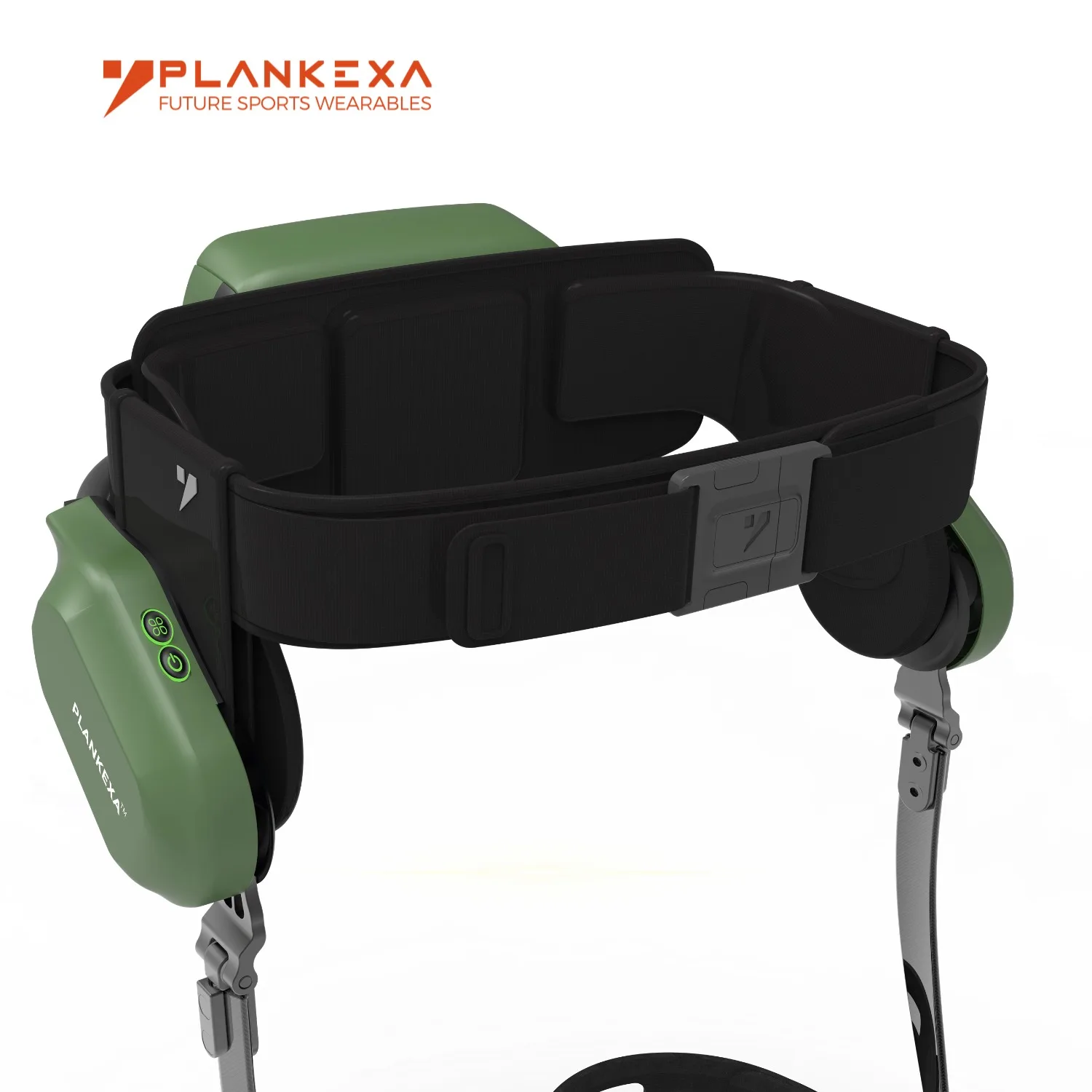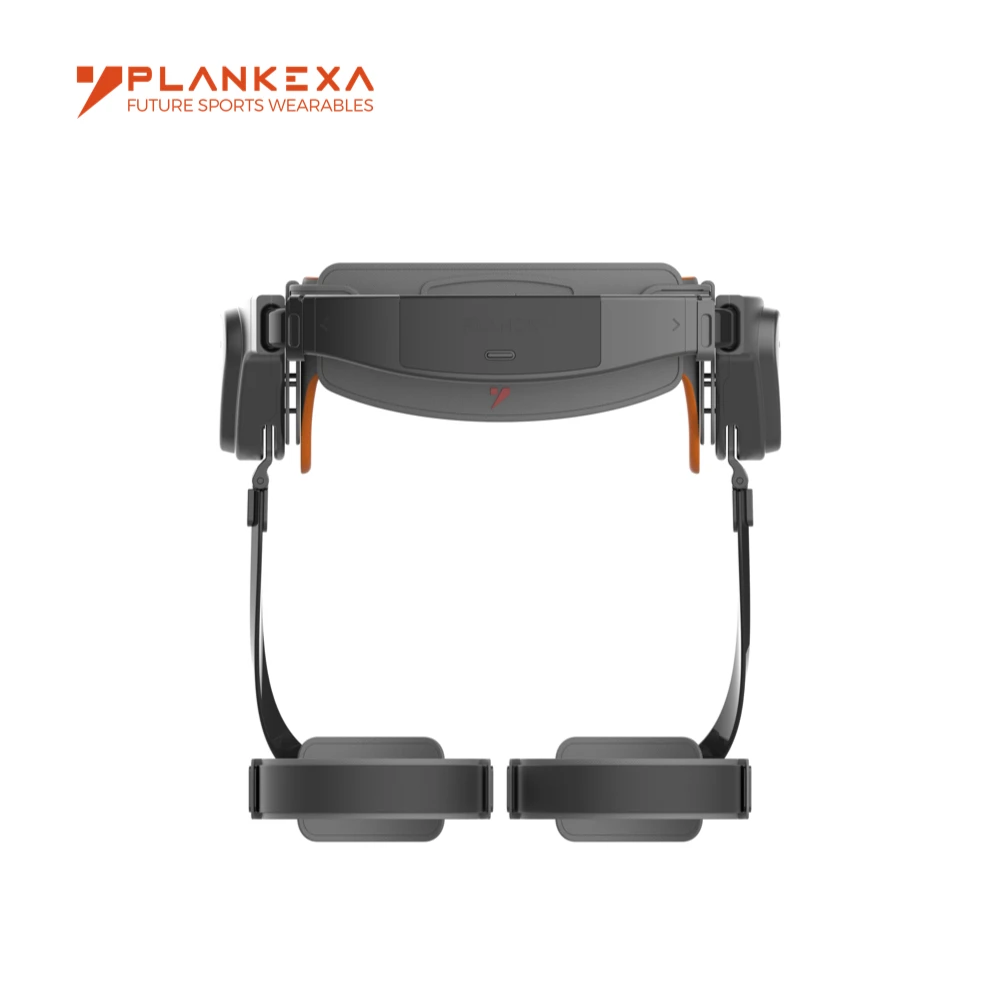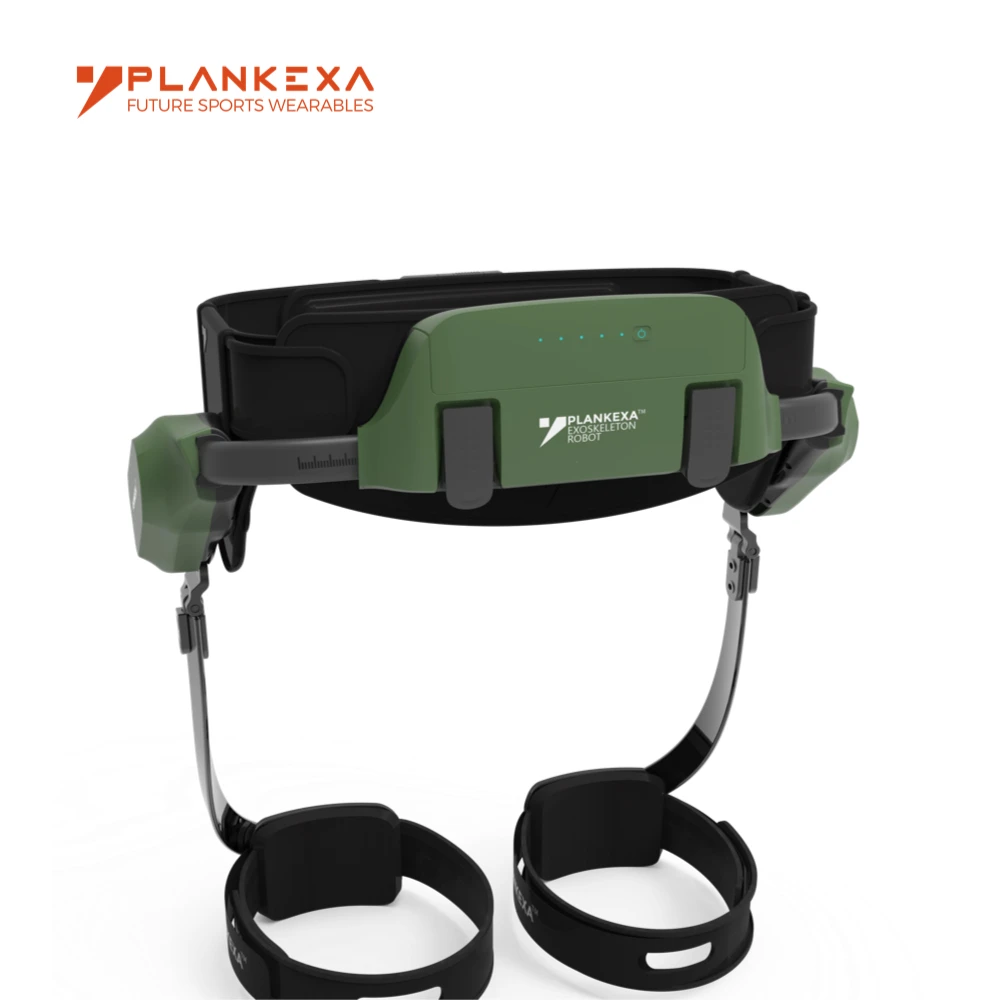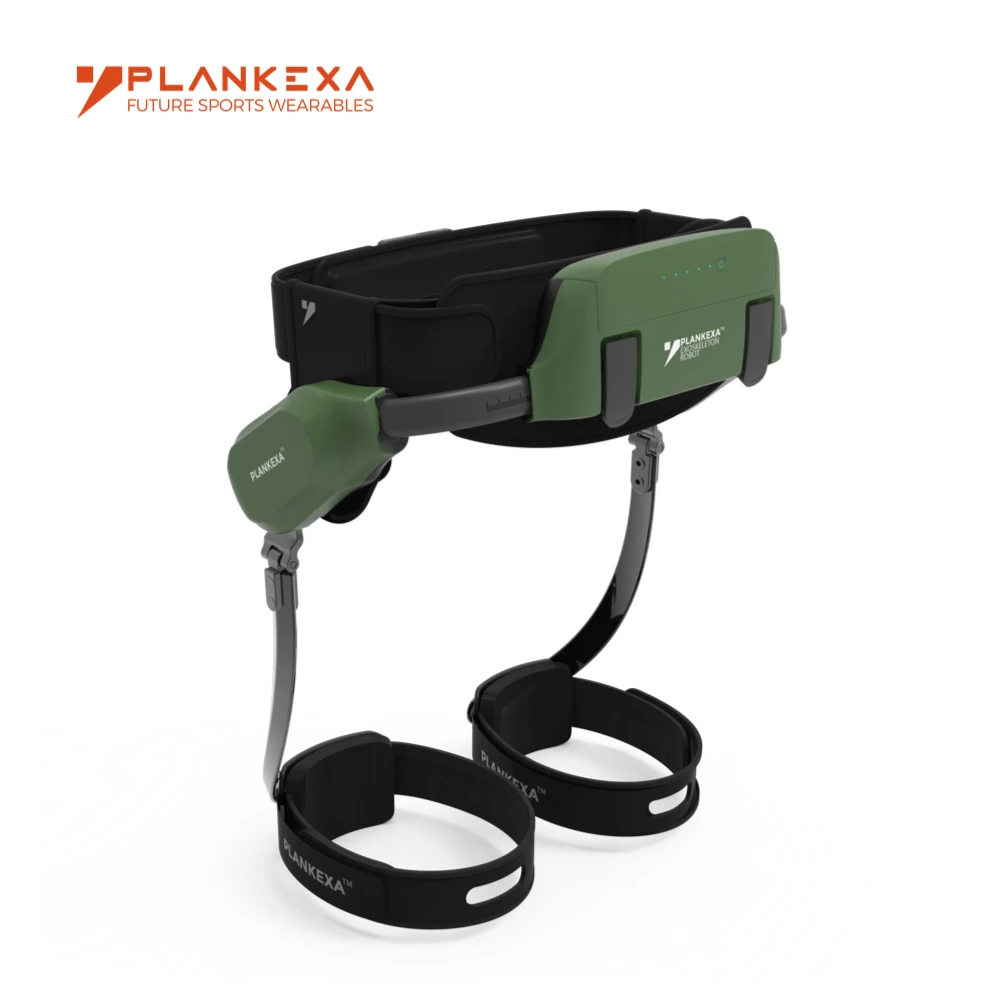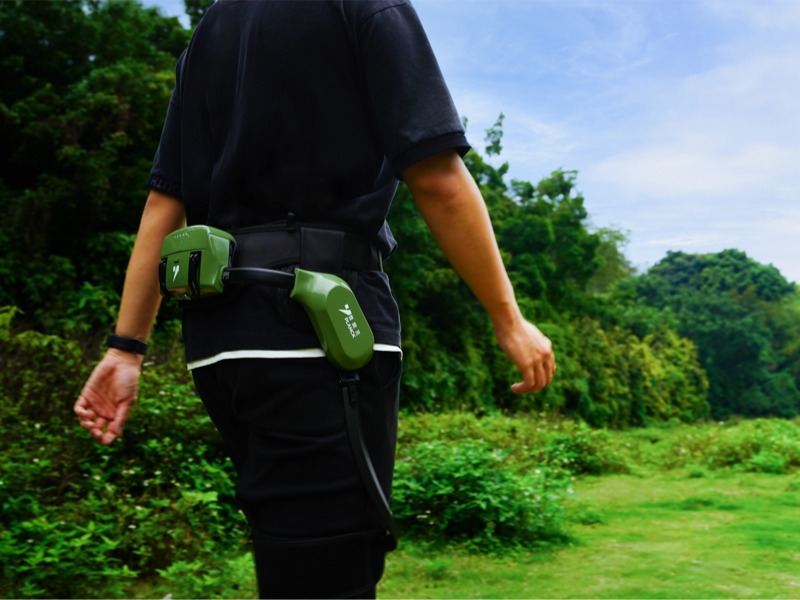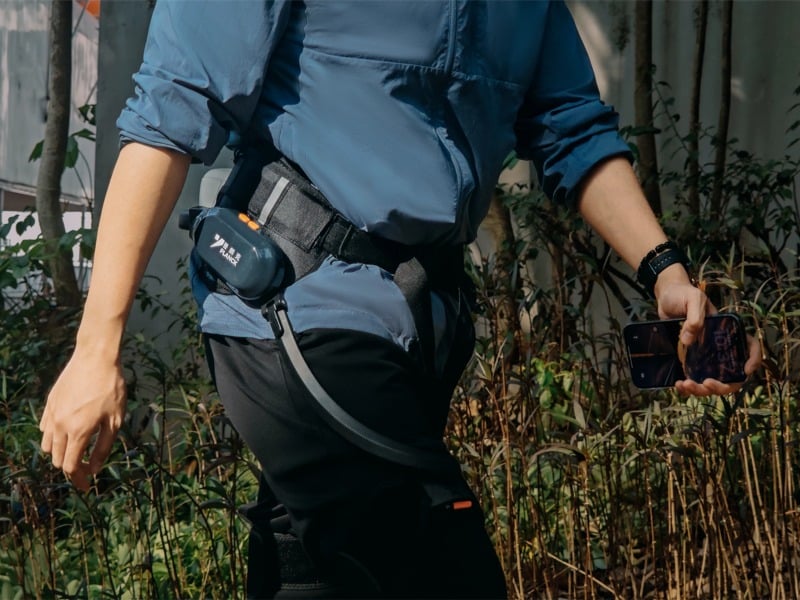
An exoskeleton suit is a wearable electromechanical device designed to augment human strength, reduce physical fatigue or support clinical rehabilitation, divided into passive mechanical and active powered types for diverse application scenarios. Constructed with lightweight high-strength carbon fiber and aviation aluminum materials, it adopts an ergonomic modular structure with multi-dimensional adjustable straps to fit users of different body types while ensuring flexible joint movement. Passive exoskeleton suits rely on elastic components to share lumbar and shoulder loads during heavy lifting, bending and prolonged standing work, effectively preventing occupational muscle strain in logistics, construction and manufacturing industries. Powered versions integrate high-precision sensors, servo drives and intelligent control systems to identify movement intentions in real time, assisting patients with paraplegia, hemiplegia and lower limb weakness to complete standing, walking and gait training. Built-in anti-fall protection, emergency stop and overload locking mechanisms ensure safe operation during high-intensity tasks or rehabilitation exercises. After repeated scene verification and safety certification, exoskeleton suits have achieved large-scale commercial application, serving as essential intelligent equipment for workplace health protection and medical rehabilitation to improve work efficiency and help mobility-impaired groups regain self-care ability.