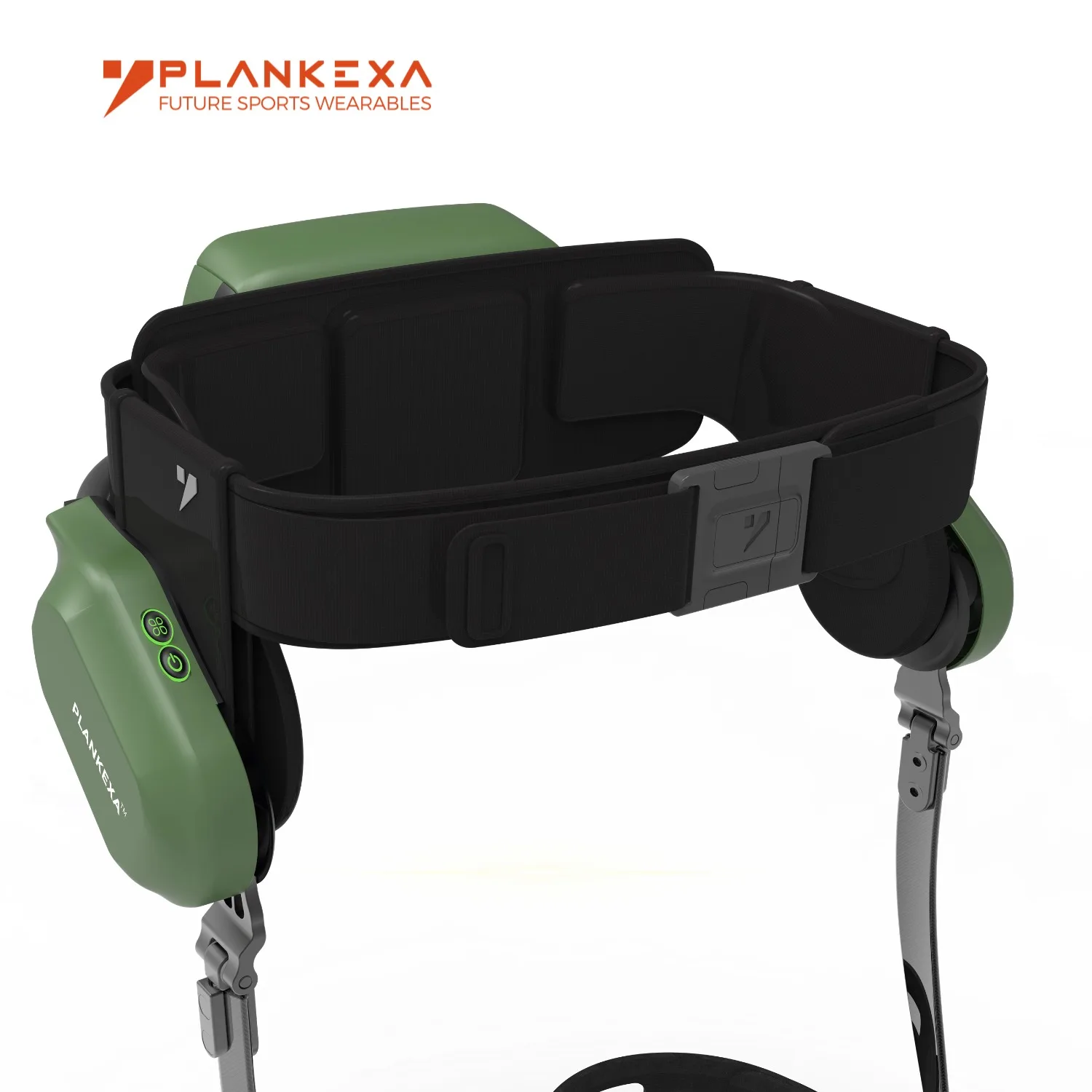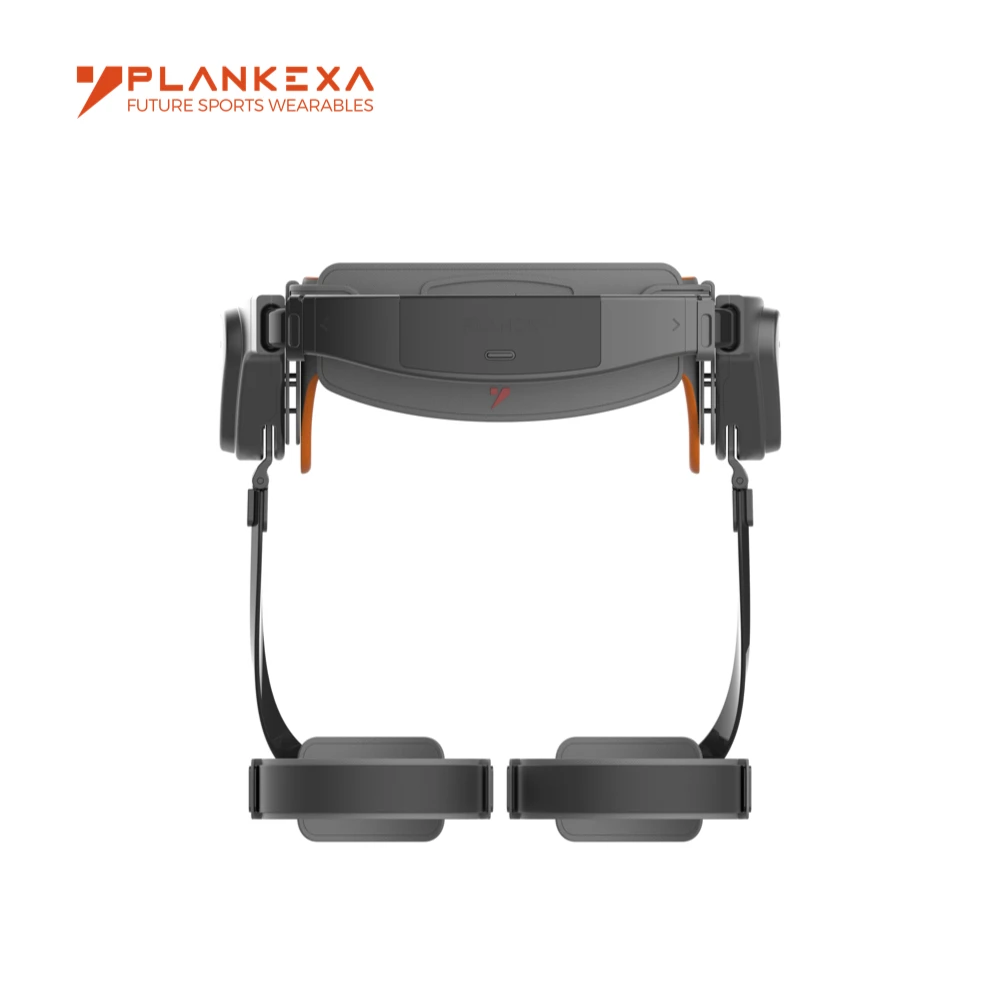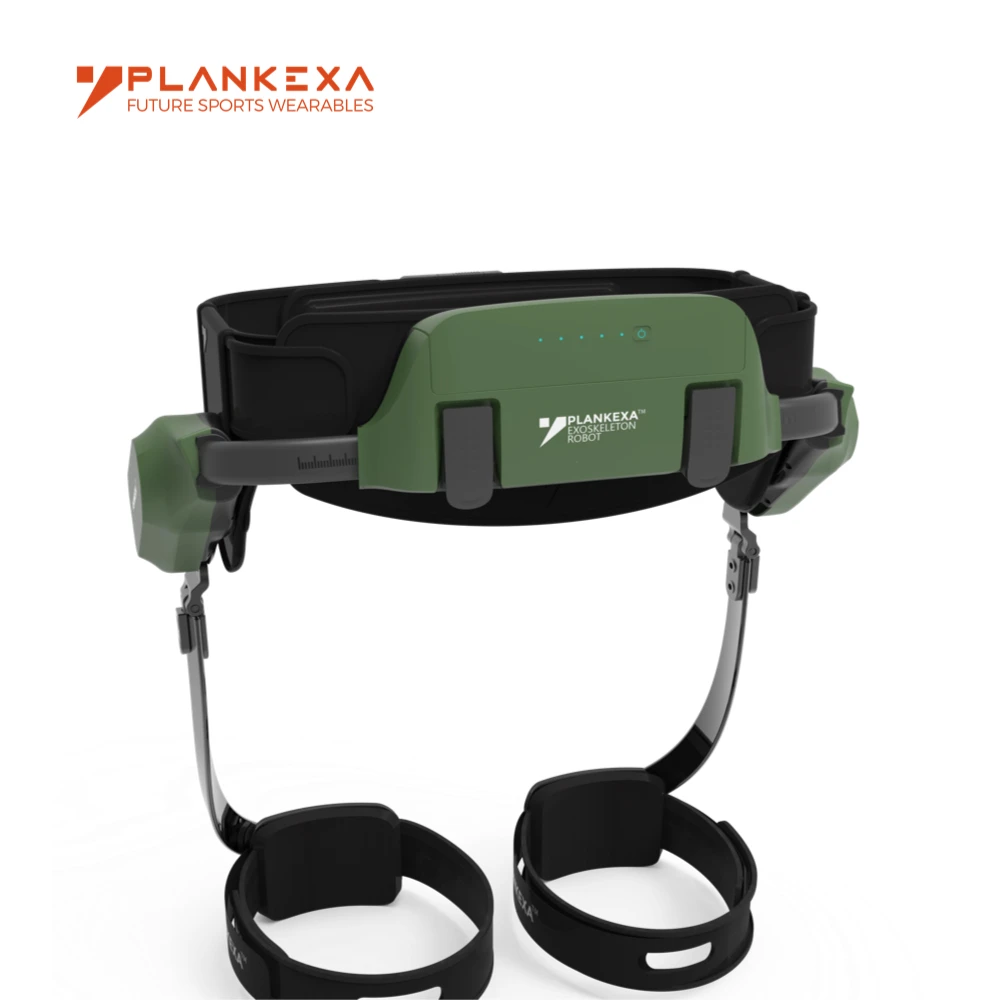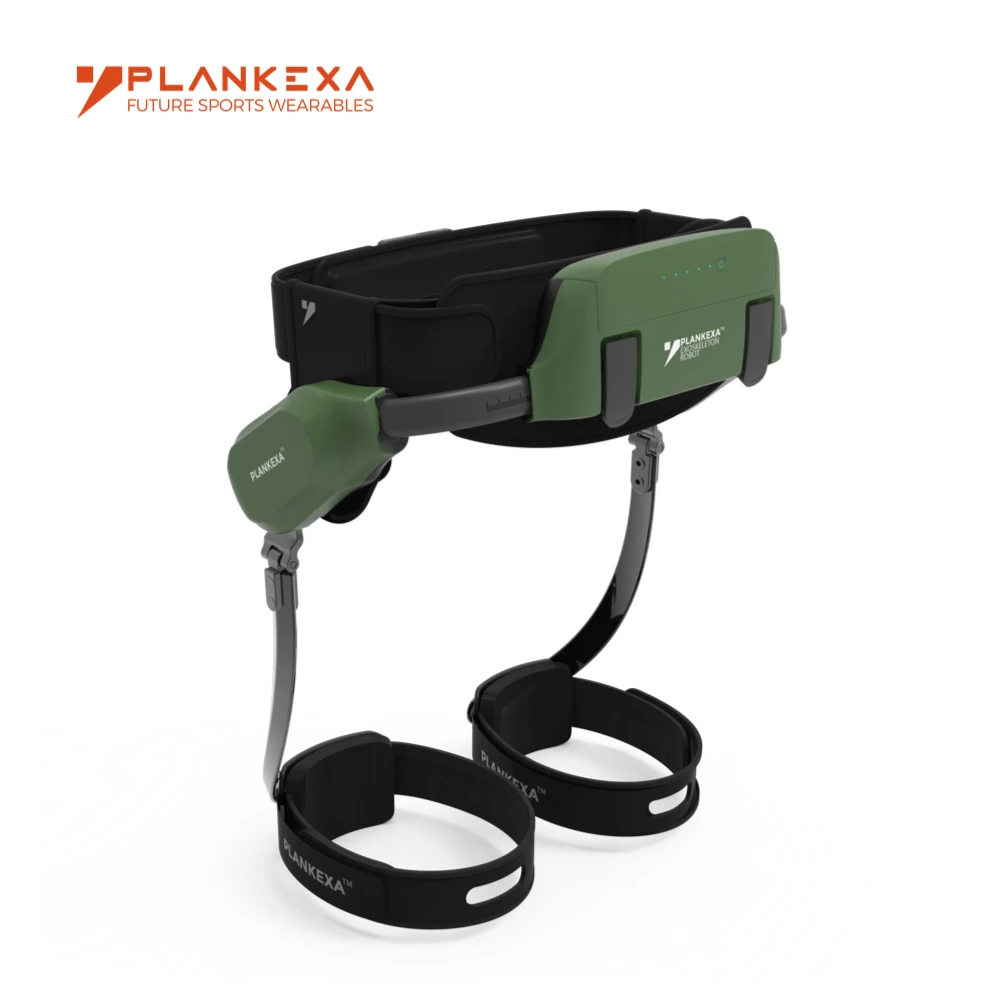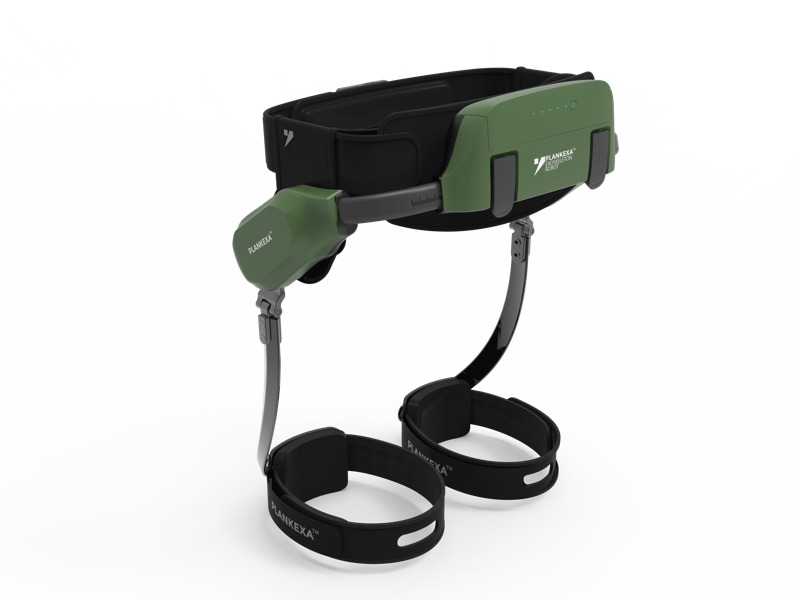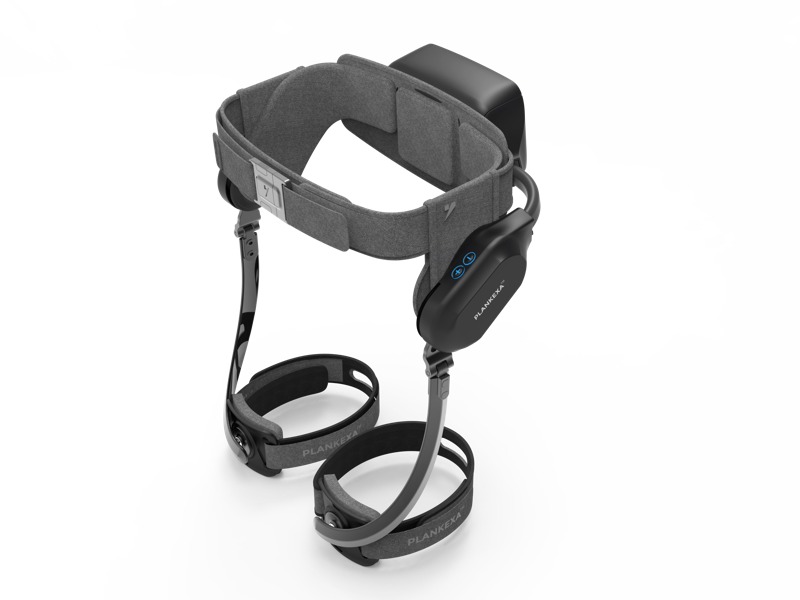
Exo suits are wearable mechanical auxiliary devices designed to enhance human athletic performance or assist physical rehabilitation, divided into passive mechanical types and active powered styles to meet diverse application demands. Constructed from lightweight, high-strength materials such as carbon fiber and aviation aluminum alloy, these ergonomically optimized devices fit closely to the human body without restricting normal limb movement. Passive exo suits rely on elastic structures to share loads during lifting, bending and long-time standing work, effectively relieving lumbar and shoulder fatigue and reducing the risk of occupational strain injuries in logistics, manufacturing and construction industries. Powered exo suits are equipped with sensors, servo drives and intelligent control systems, which can identify movement intentions in real time and provide stable auxiliary torque to help people with lower limb dysfunctions complete walking and balance training. Most exo suits feature adjustable straps and modular frames to accommodate users of different heights and body shapes, together with built-in safety mechanisms like emergency stop and anti-fall protection. With continuous technological innovation and industrial popularization, exo suits have gradually become essential equipment for workplace protection and medical rehabilitation, greatly improving work efficiency and the quality of life for mobility-impaired groups.