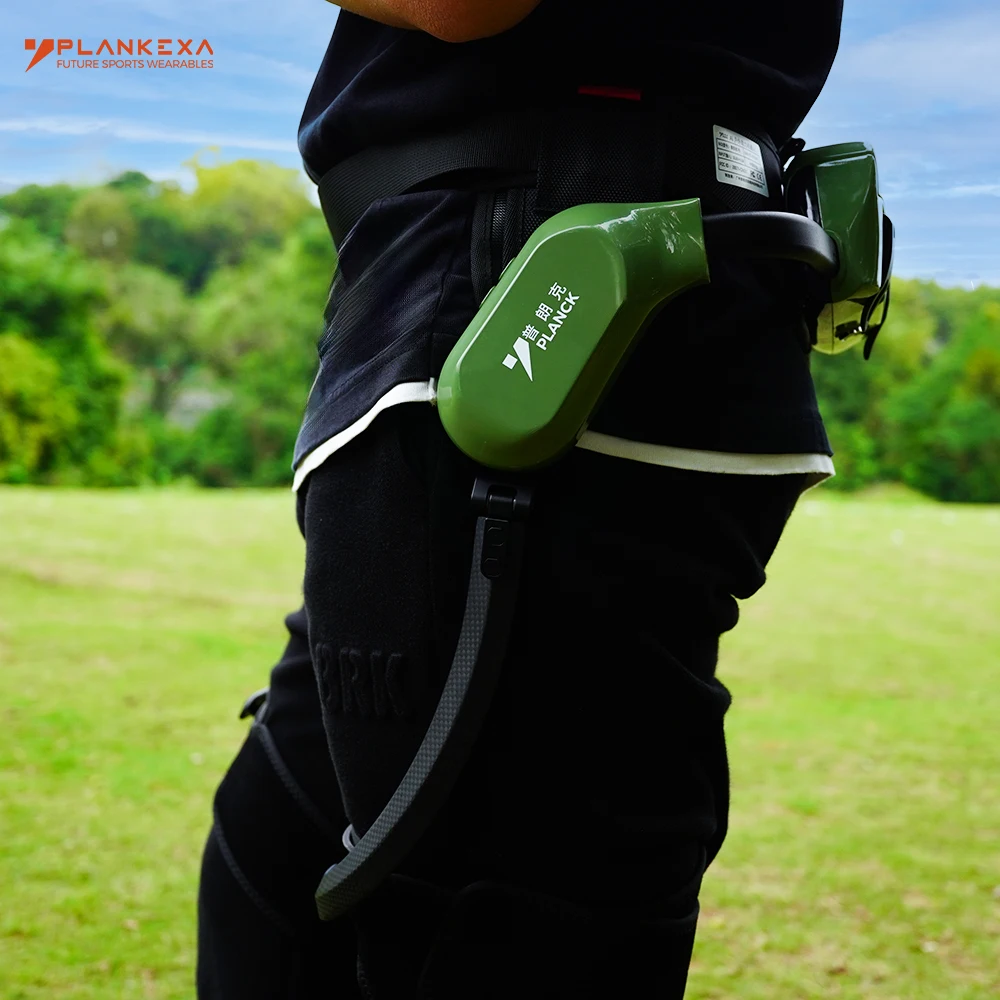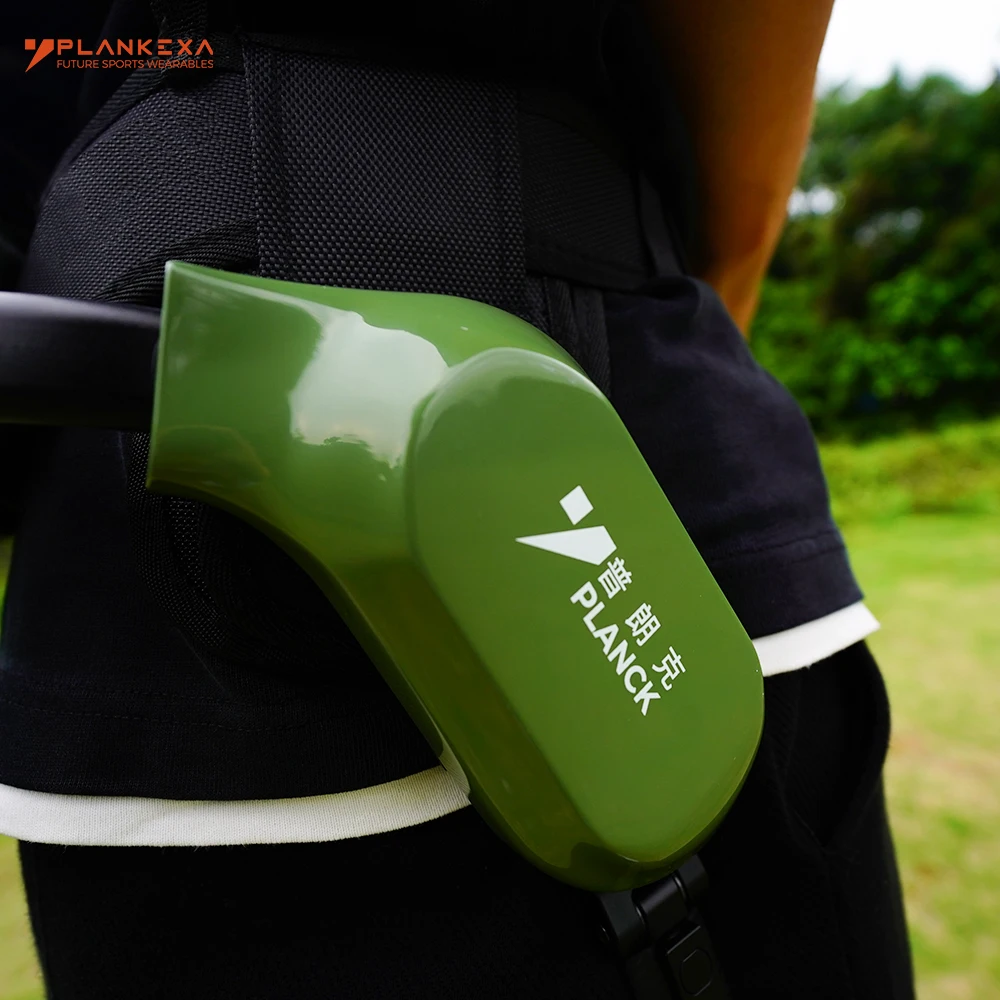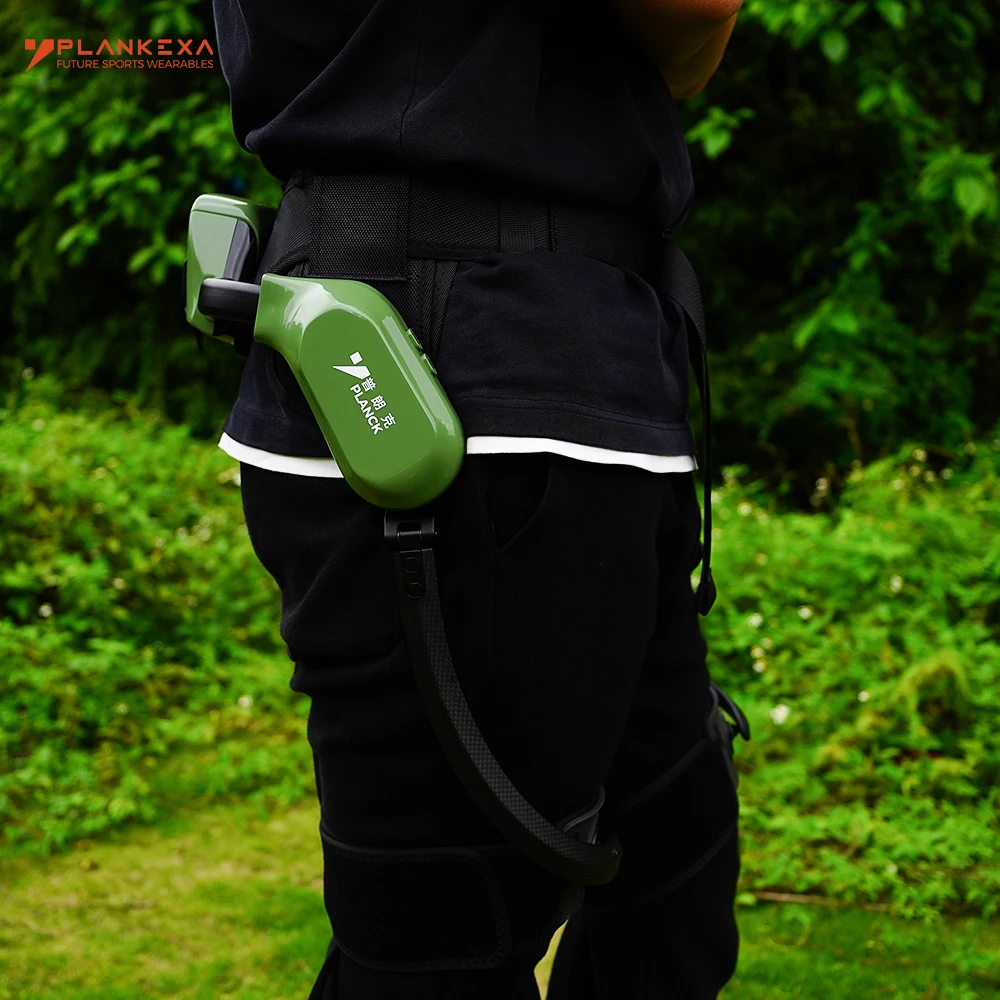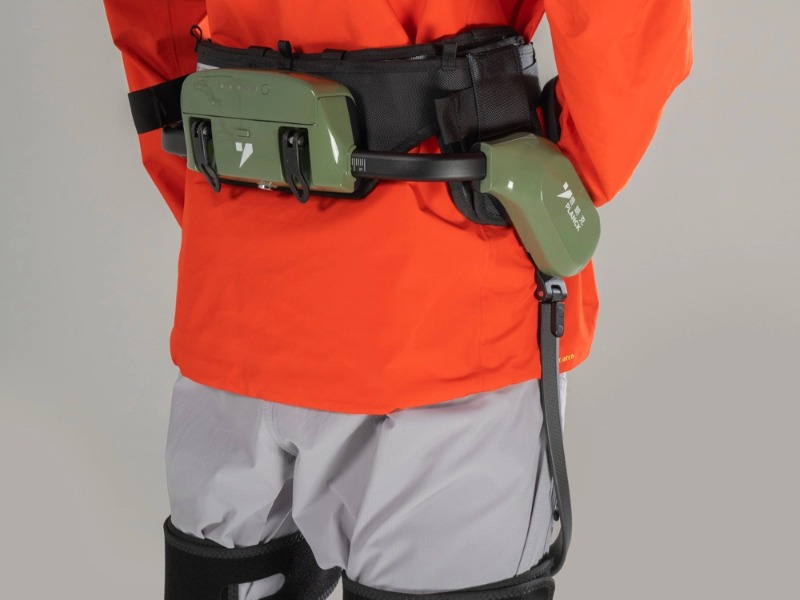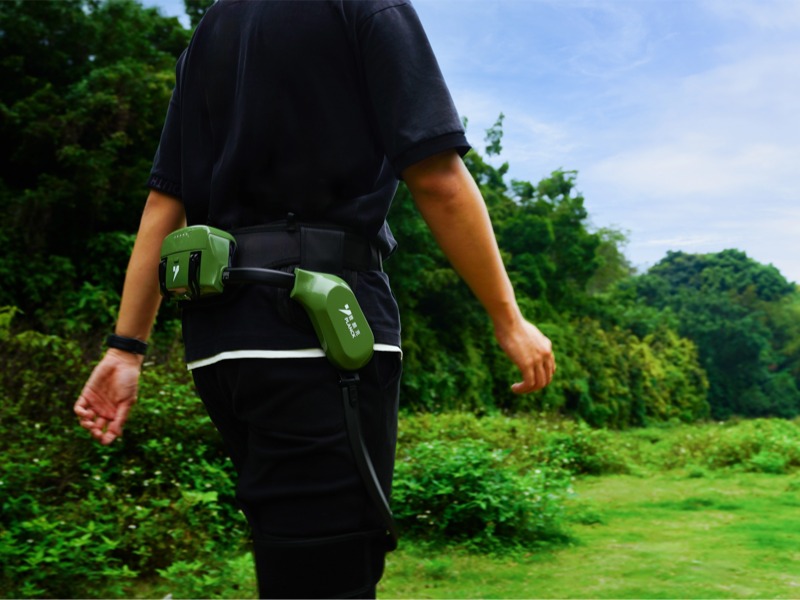
An AI powered robot refers to intelligent robotic equipment driven by artificial intelligence algorithms, covering wearable exoskeletons, rehabilitation assistance devices and industrial collaborative robots. Different from traditional pre-programmed robots that only execute fixed instructions, it relies on built-in sensors to collect real-time data such as motion posture, environmental information and biological signals, then analyzes user intentions through AI models to make independent decisions and adjust working strategies dynamically. In medical rehabilitation scenarios, an AI powered lower-limb robot predicts walking intentions to provide matched auxiliary torque, guiding patients with paraplegia, hemiplegia and neurological injuries to complete safe gait training. It automatically tracks rehabilitation indicators, evaluates recovery progress and optimizes training schemes without frequent manual parameter adjustment. In industrial fields, it assists workers in heavy handling and repetitive labor to ease physical fatigue and reduce occupational injuries. Multiple safety modules including emergency stop, overload limitation and anti-fall early warning are integrated to avoid accidental damage to users and equipment. Supported by continuous algorithm iteration and big data accumulation, AI powered robots realize high-level human-machine collaboration, greatly improving work efficiency and rehabilitation precision, helping users regain mobility and reducing dependence on manual assistance in various application scenarios.