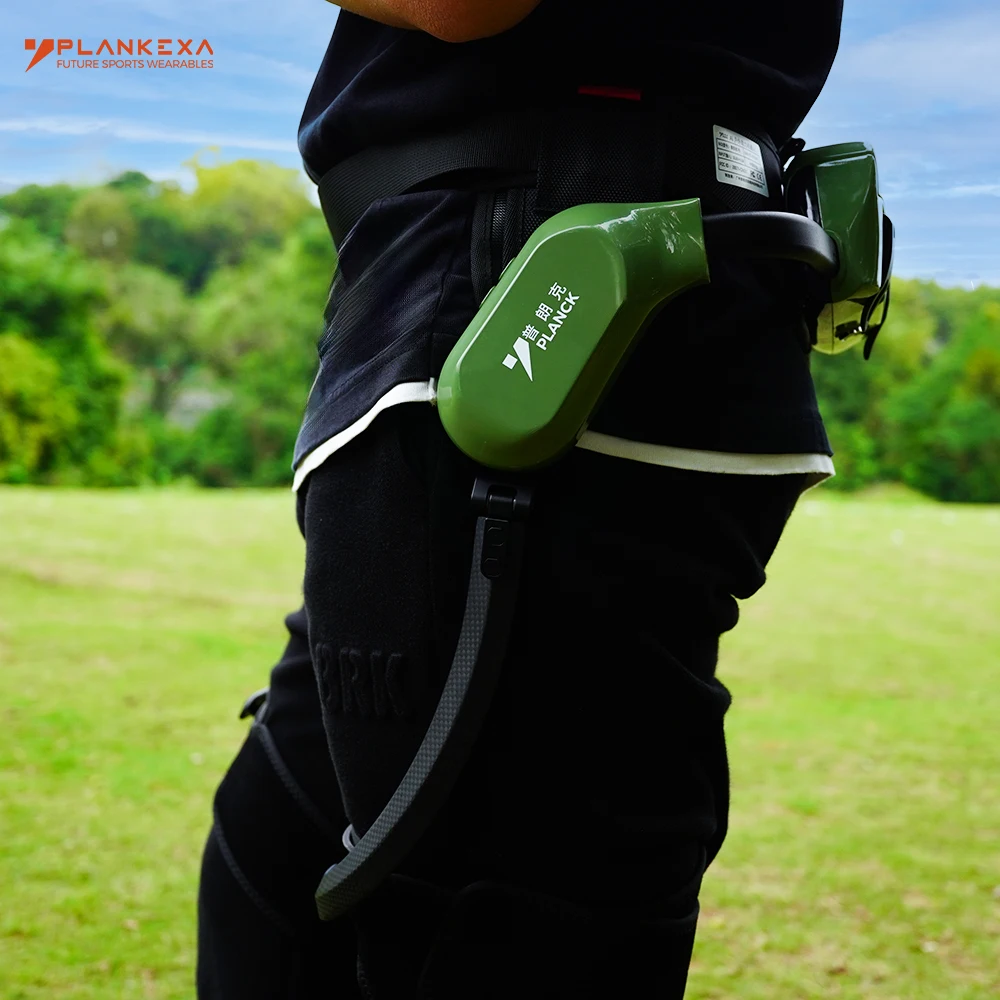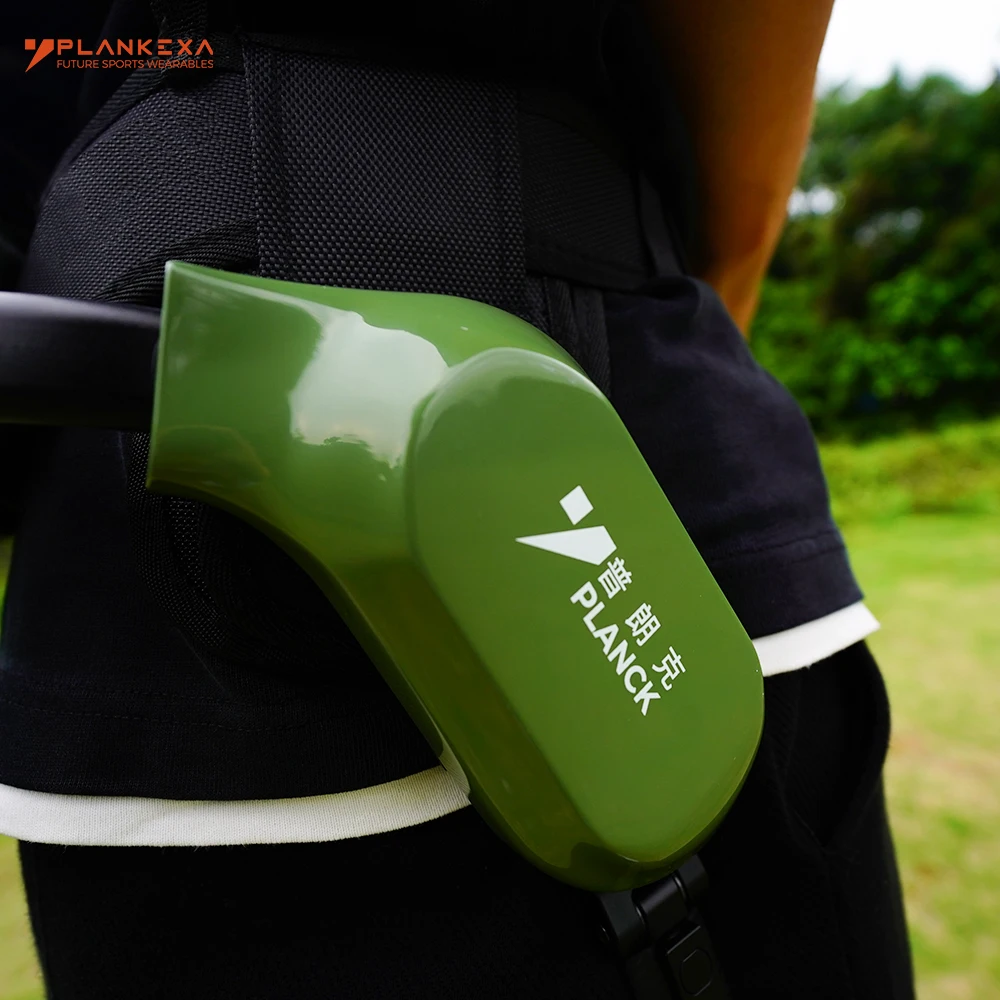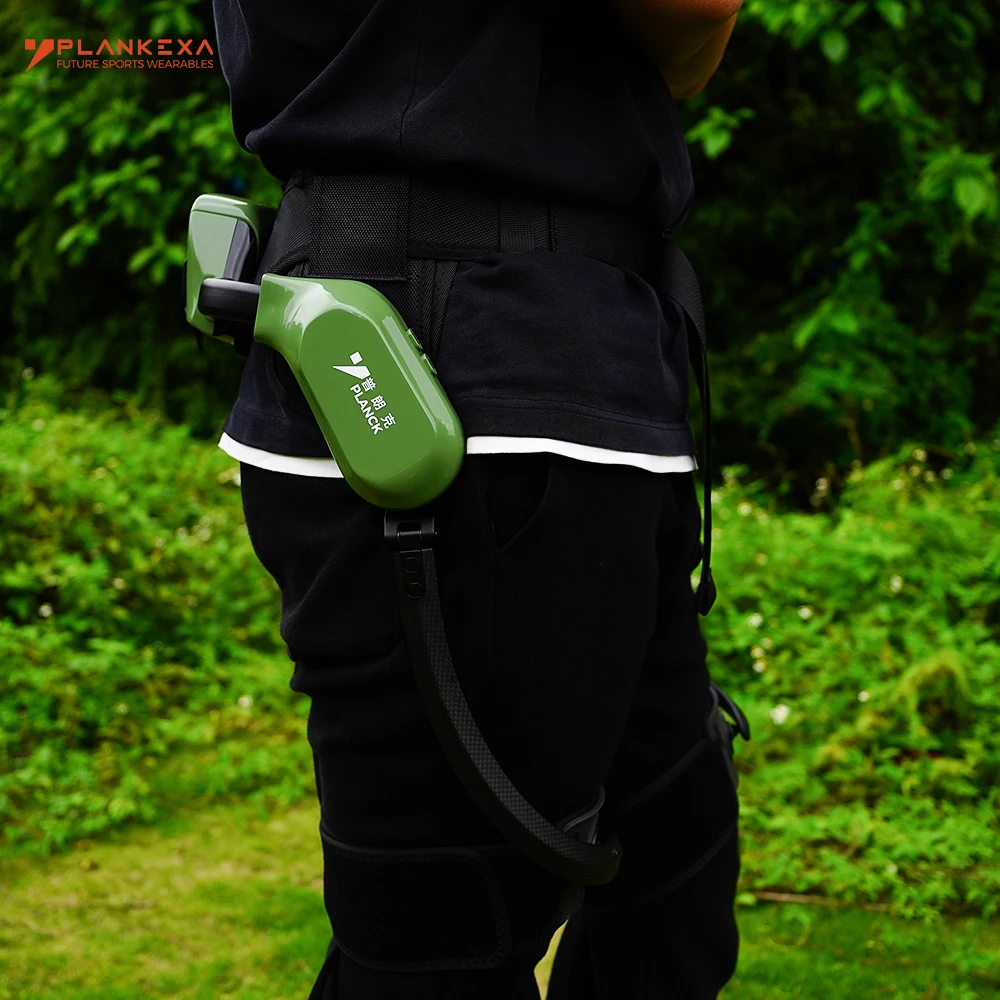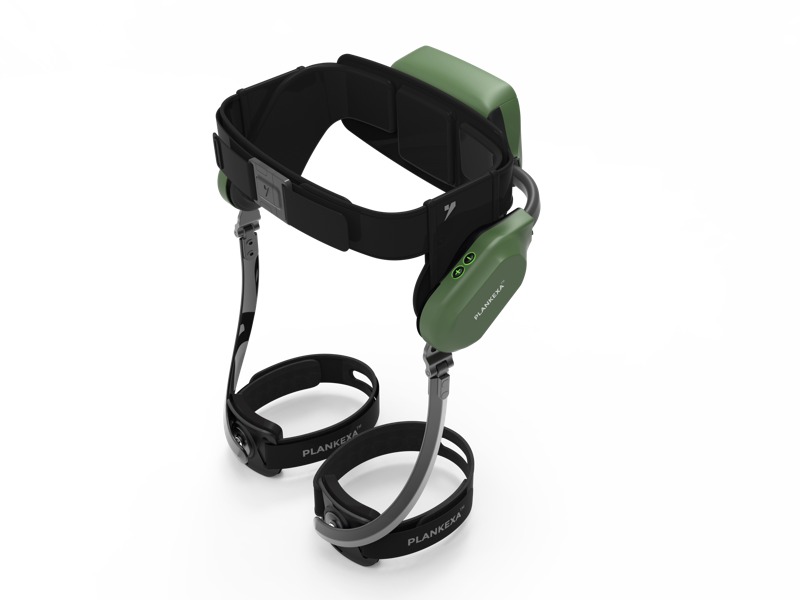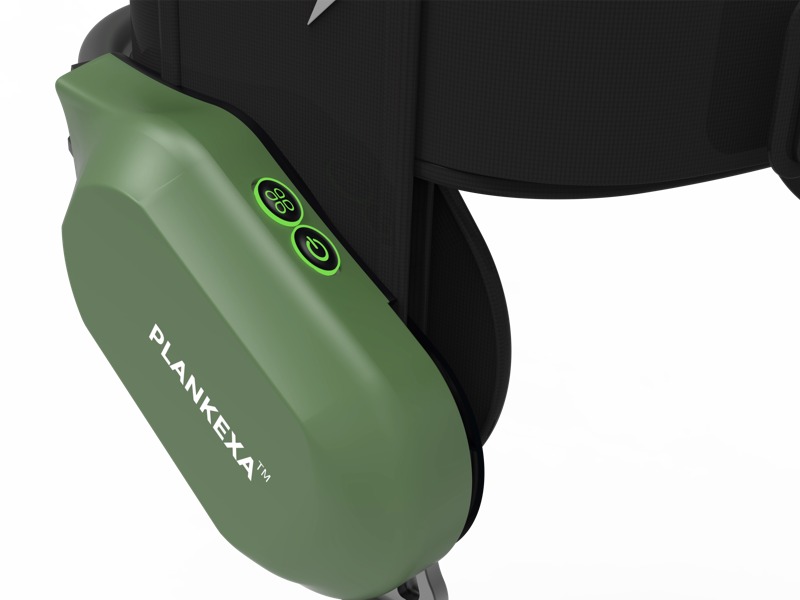
An AI mobility robot is an intelligent mobile or wearable robotic system designed to assist people with limited mobility in independent movement, including lower-limb exoskeletons, smart walkers and autonomous mobility aids. Equipped with high-precision motion sensors, embedded AI chips and environmental perception modules, it can identify user movement intentions, analyze real-time body posture and surrounding road conditions, and dynamically adjust auxiliary power, walking speed and balance strategies. For paraplegic, hemiplegic or elderly users with impaired mobility, the robot provides stable power support to help them stand, walk, turn and climb stairs safely, while correcting irregular gait through algorithm optimization to prevent falls and secondary injuries. It can record daily movement data, generate mobility assessment reports and offer personalized exercise suggestions to improve rehabilitation outcomes. Integrated with anti-collision sensors, emergency stop switches and anti-tilt safety locks, the robot adapts to indoor corridors, outdoor sidewalks and gentle slopes. Beyond medical rehabilitation, it also serves daily travel needs, greatly enhancing users’ activity range and sense of independence. By combining artificial intelligence with bionic machinery, AI mobility robots effectively reduce reliance on caregivers and help mobility-impaired groups reintegrate into daily social life with greater safety and freedom.