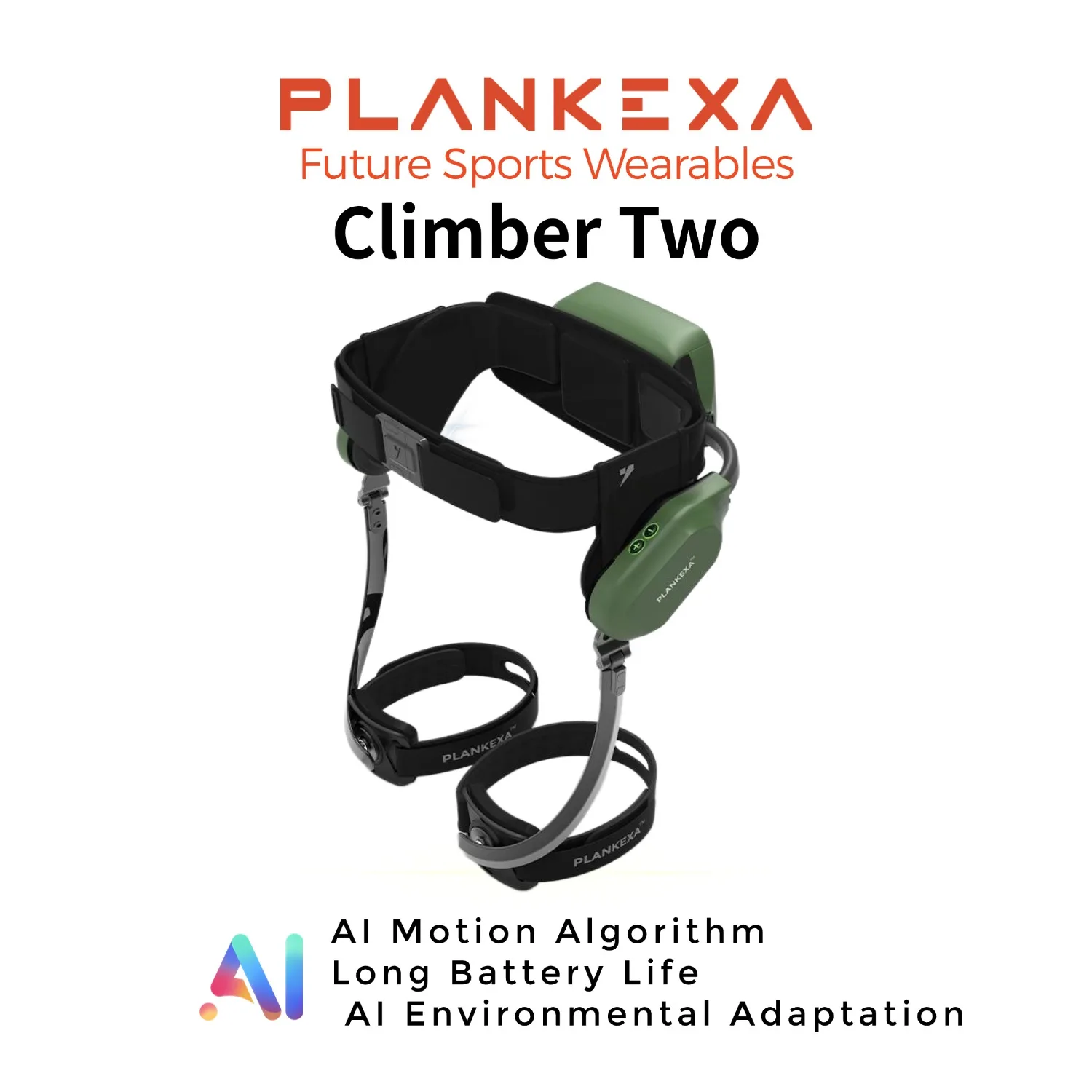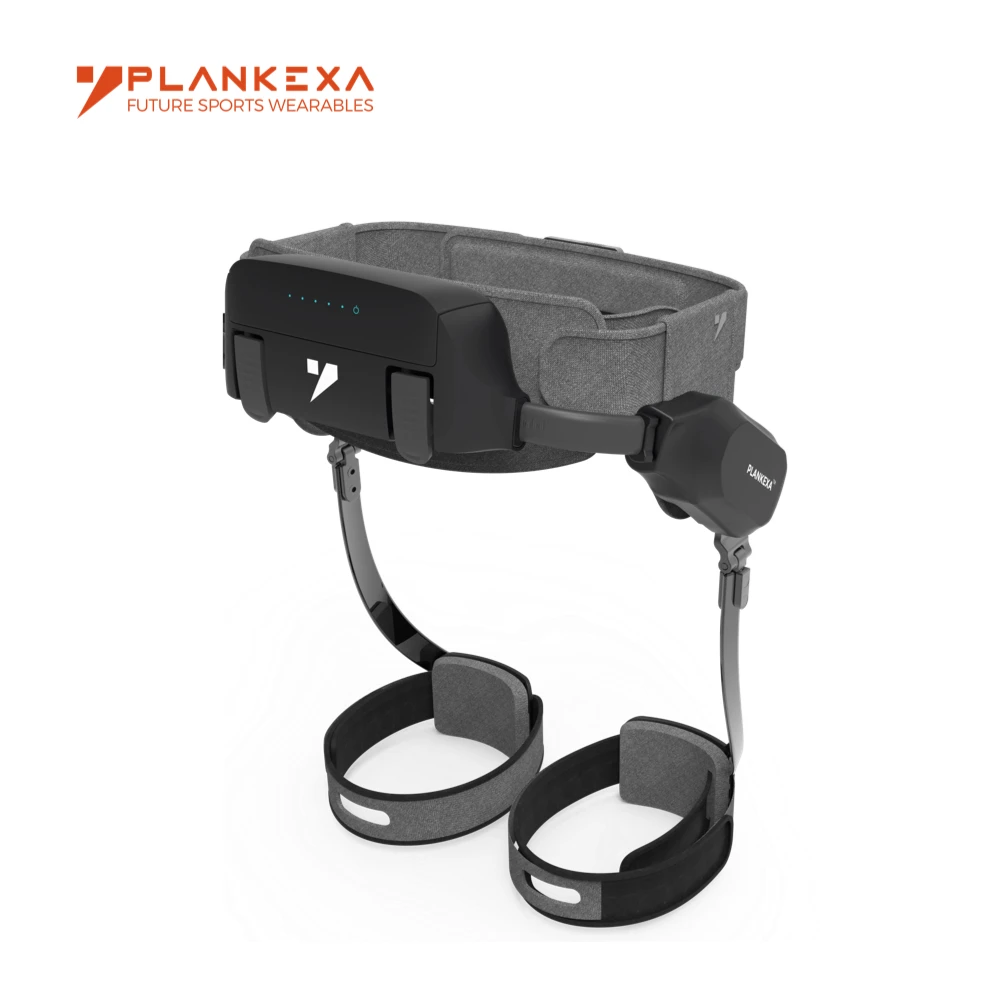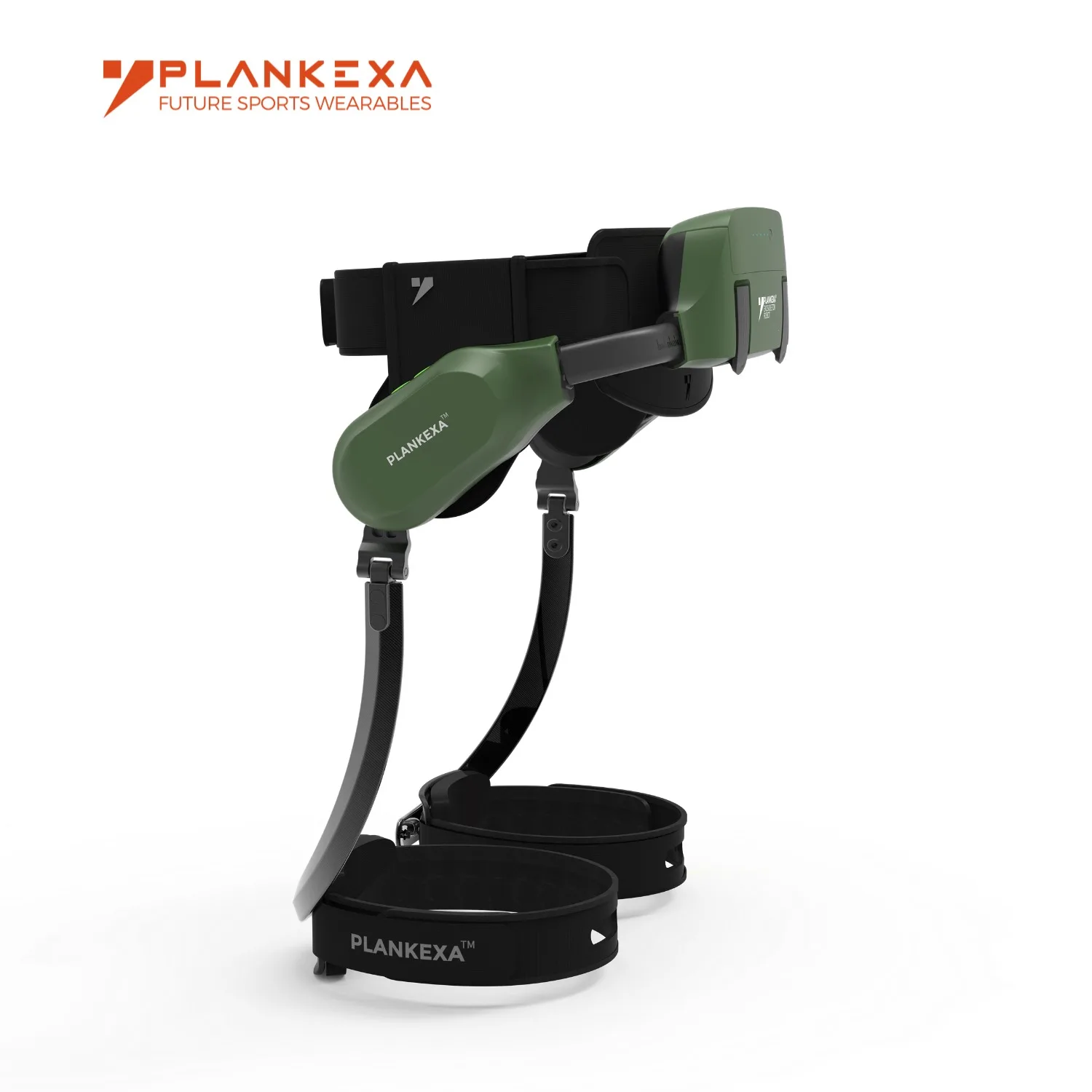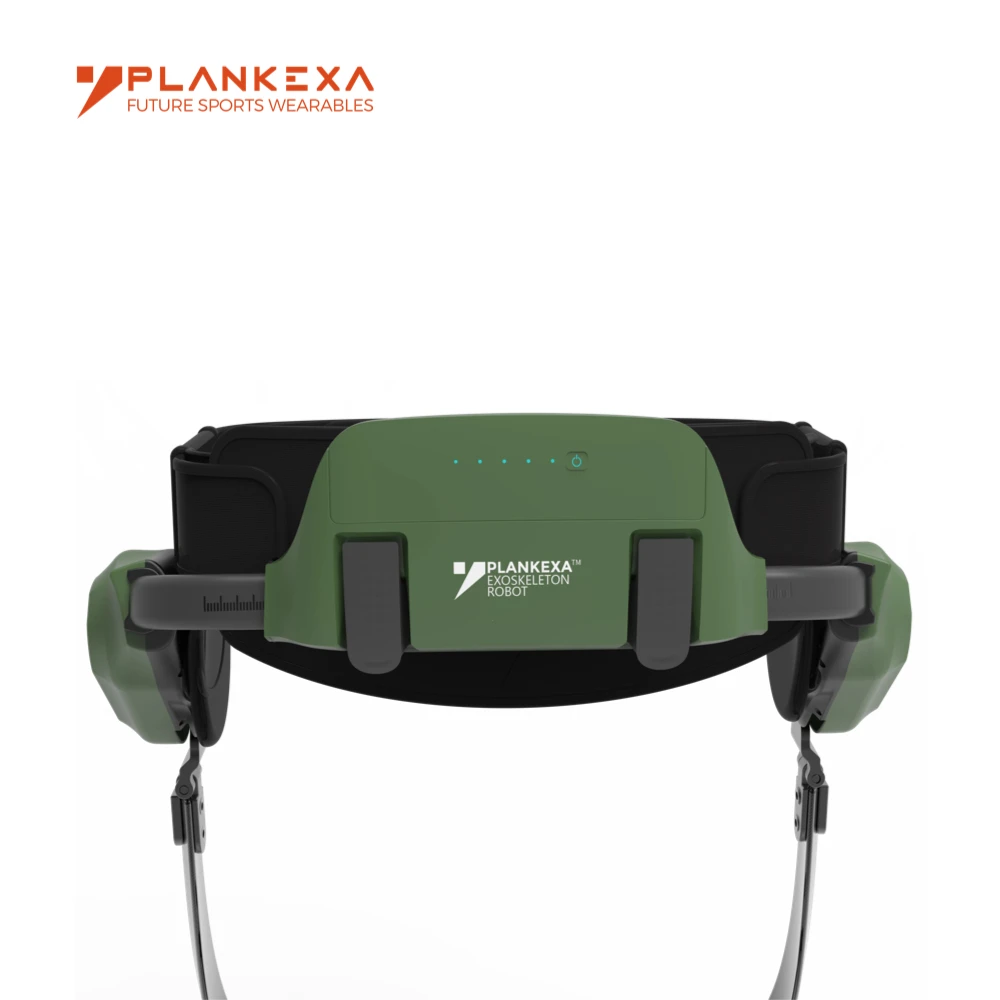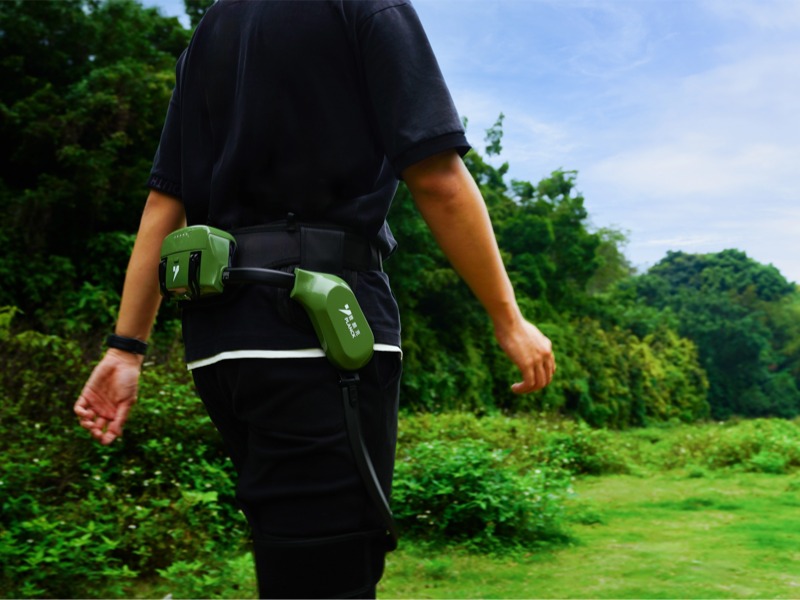
A hiking exoskeleton is a lightweight wearable auxiliary device specially developed for outdoor hiking, mountain climbing and long-distance backpacking trips. Different from heavy industrial or medical exoskeletons, it adopts carbon fiber and aviation-grade lightweight alloy materials to reduce the overall load on the human body without bringing extra burden to hikers. This equipment mainly provides effective support for the waist, hips and knees. When users carry heavy backpacks, climb uphill or walk on rugged mountain trails, it transfers part of the backpack weight to the ground through the mechanical structure, easing pressure on lumbar muscles and knee joints. It effectively delays physical fatigue, reduces the risk of knee strain and waist injury during long-distance outdoor activities. Designed with adjustable straps and flexible rotating joints, it adapts to different body shapes and allows natural bending, squatting and striding movements. Most hiking exoskeletons are foldable for easy storage inside backpacks. Suitable for outdoor enthusiasts, field researchers and wilderness rescuers, this portable auxiliary gear greatly improves hiking endurance, protects joints from overloading and enables people to travel farther and more safely in complex outdoor terrain.