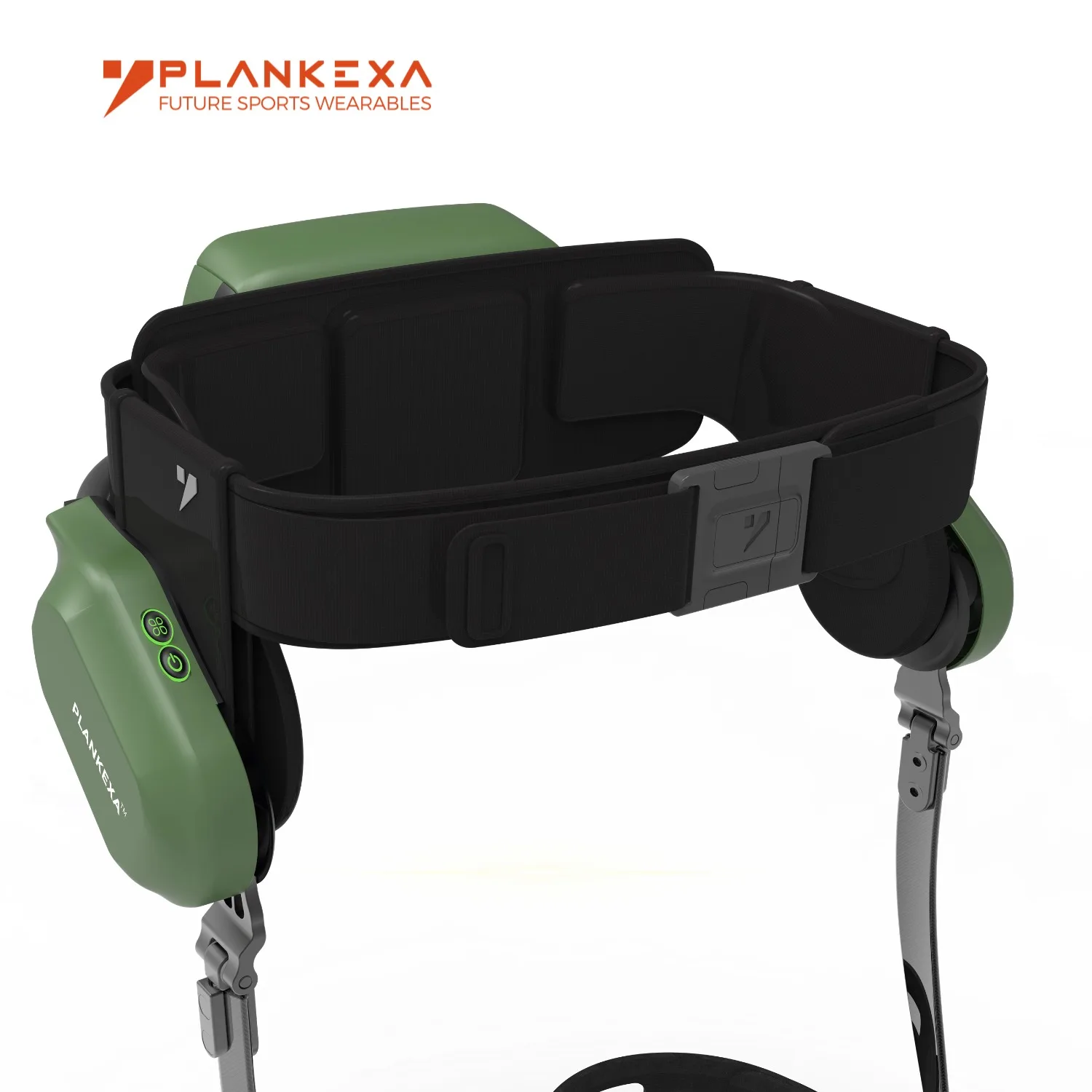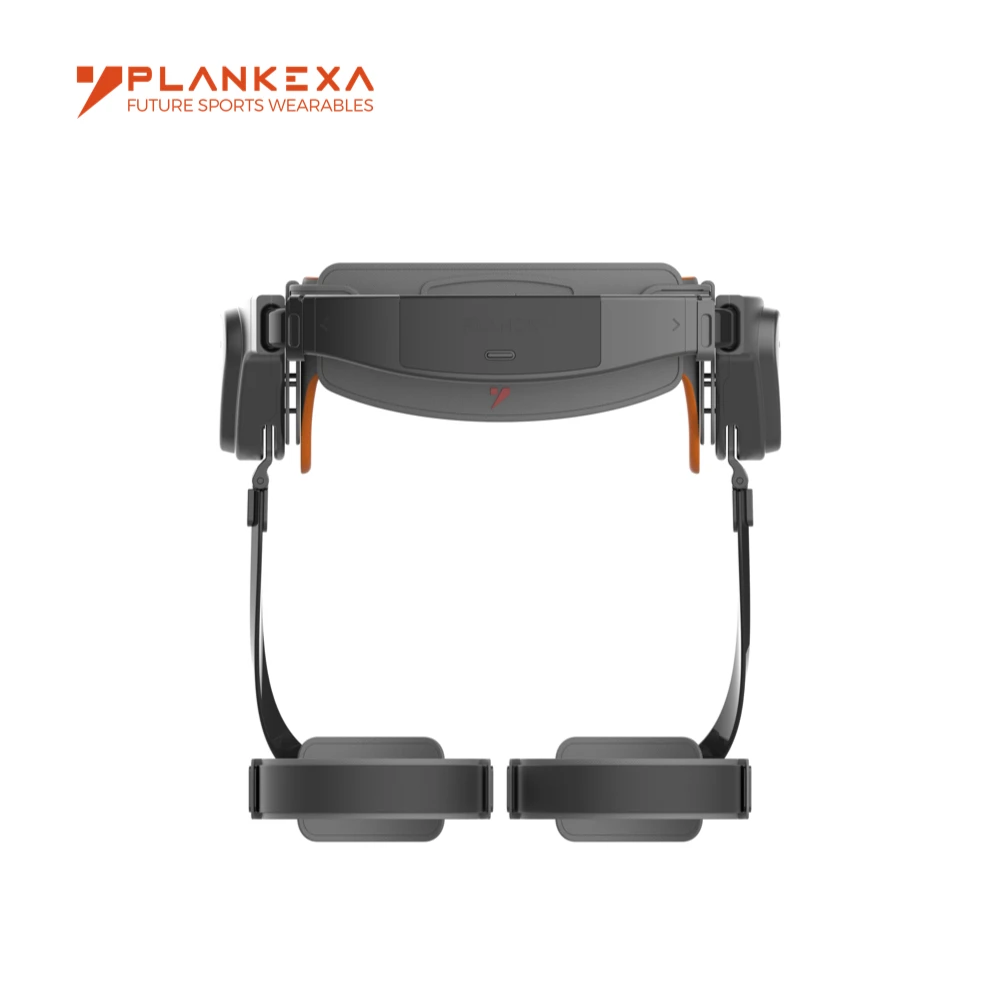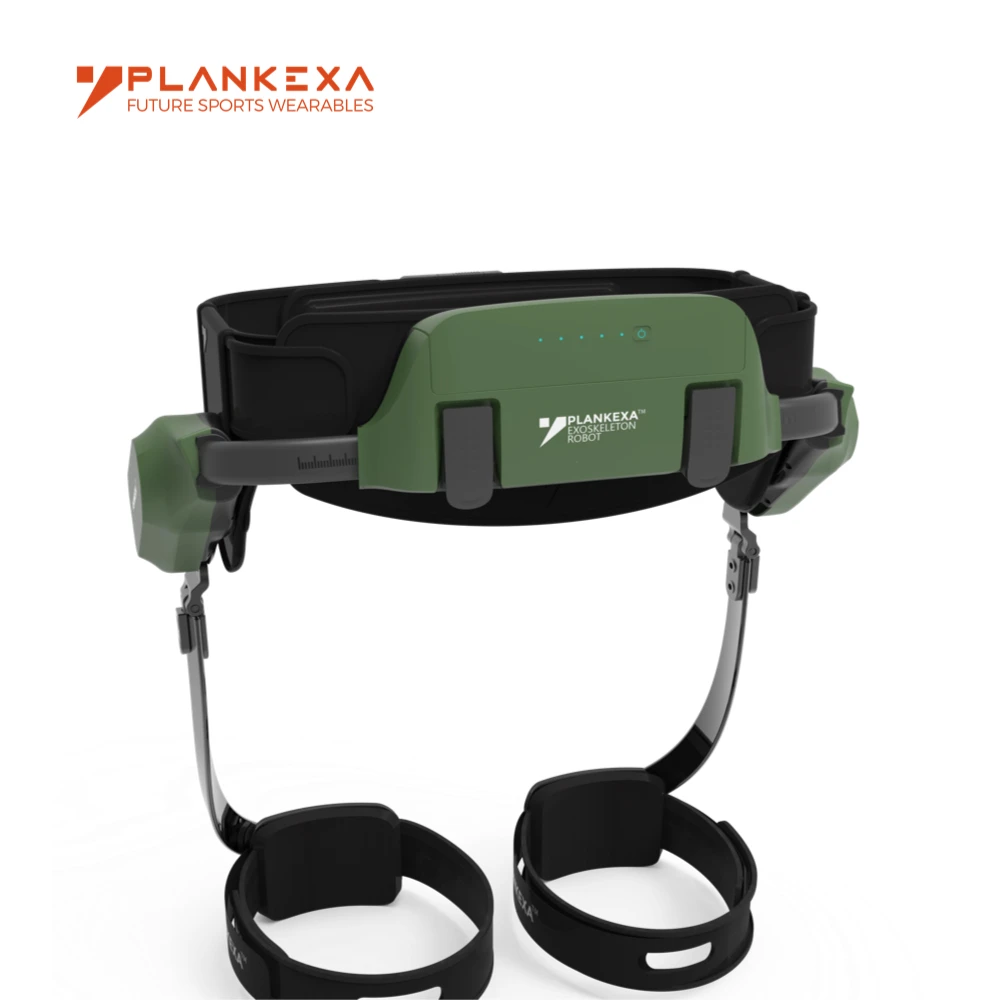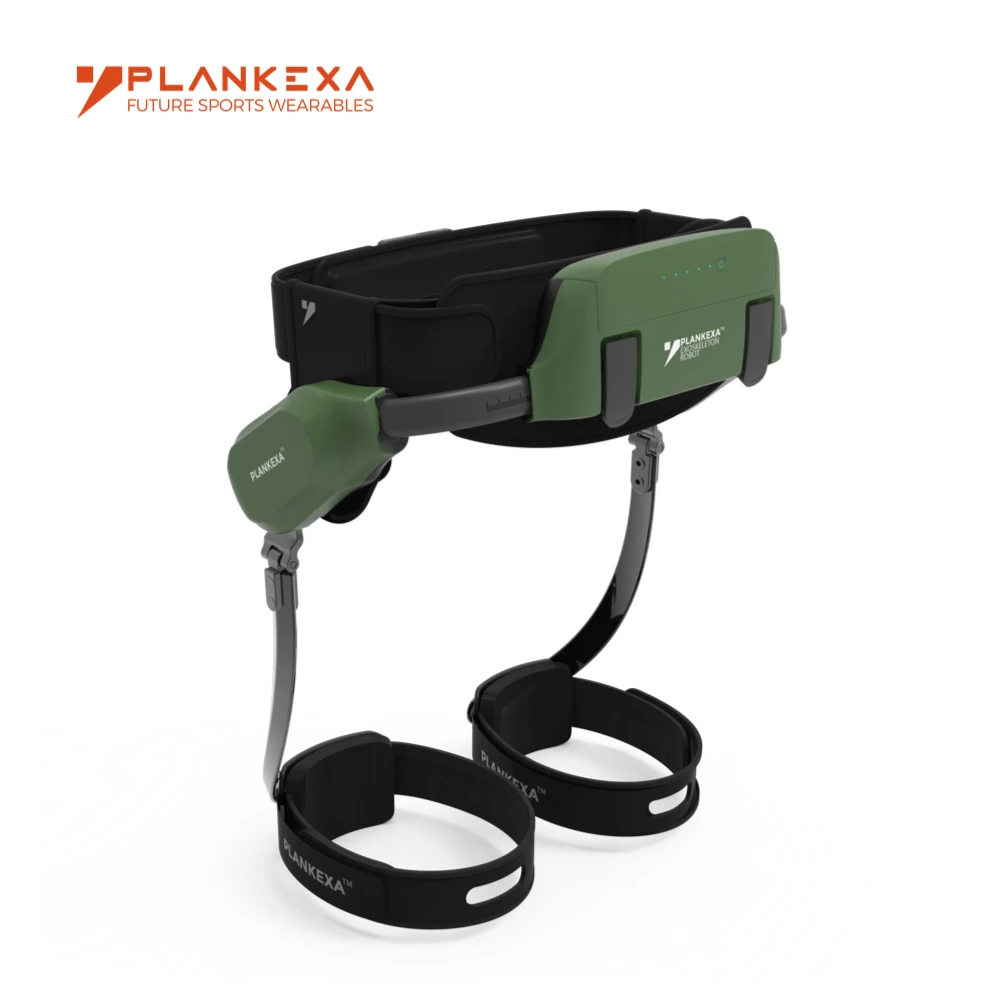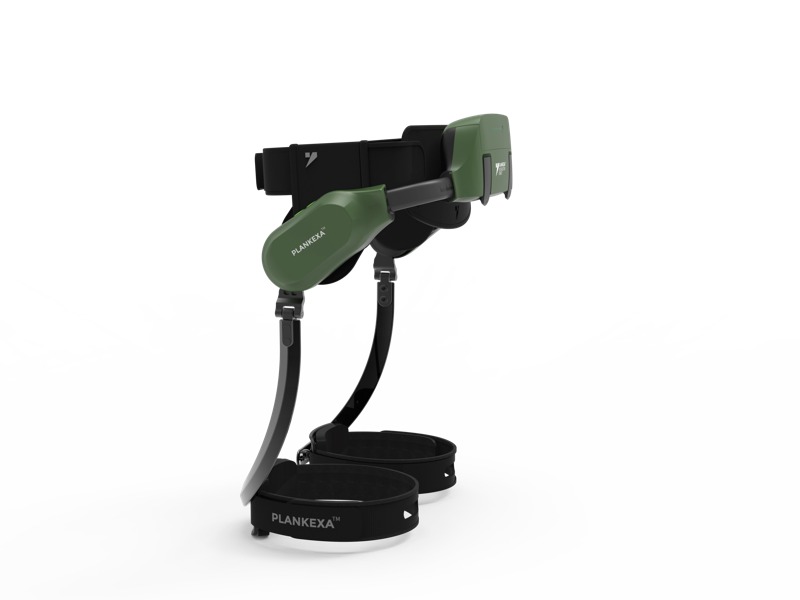
Exoskeletons for paraplegics are professional intelligent rehabilitation devices specially developed for patients with complete or incomplete lower limb paralysis caused by spinal cord injuries and related diseases. Built with bionic lower limb mechanical frameworks, high-precision motion sensors and stable servo drive systems, these devices can identify the user’s movement intention and assist paraplegic patients in completing standing, walking, turning and stair training that cannot be achieved relying on physical strength alone. The whole set of equipment supports multi-dimensional adjustment of height, waist circumference and leg length to adapt to different body shapes, and reserves sufficient freedom of upper limb movement for users to cooperate with walking aids. Multiple safety protection designs including anti-fall balance system, emergency stop lock and overload protection are integrated to avoid accidental injuries during training. Regular rehabilitation training with such exoskeletons can improve systemic blood circulation, prevent lower limb muscle atrophy, joint contracture and osteoporosis caused by long-term wheelchair use, relieve complications and psychological pressure. Widely used in rehabilitation institutions and home rehabilitation, these devices help paraplegic patients rebuild mobility and enhance confidence in social life.