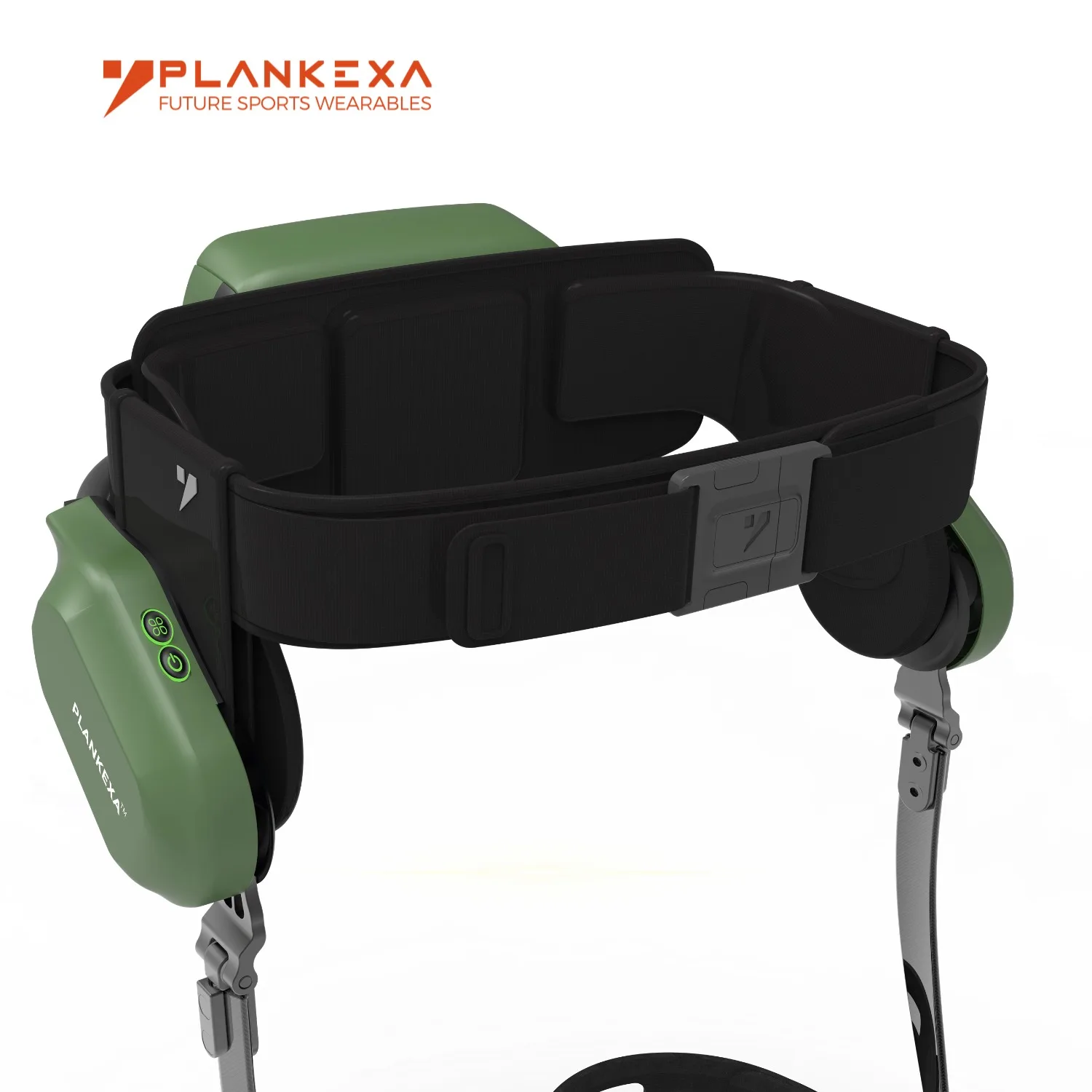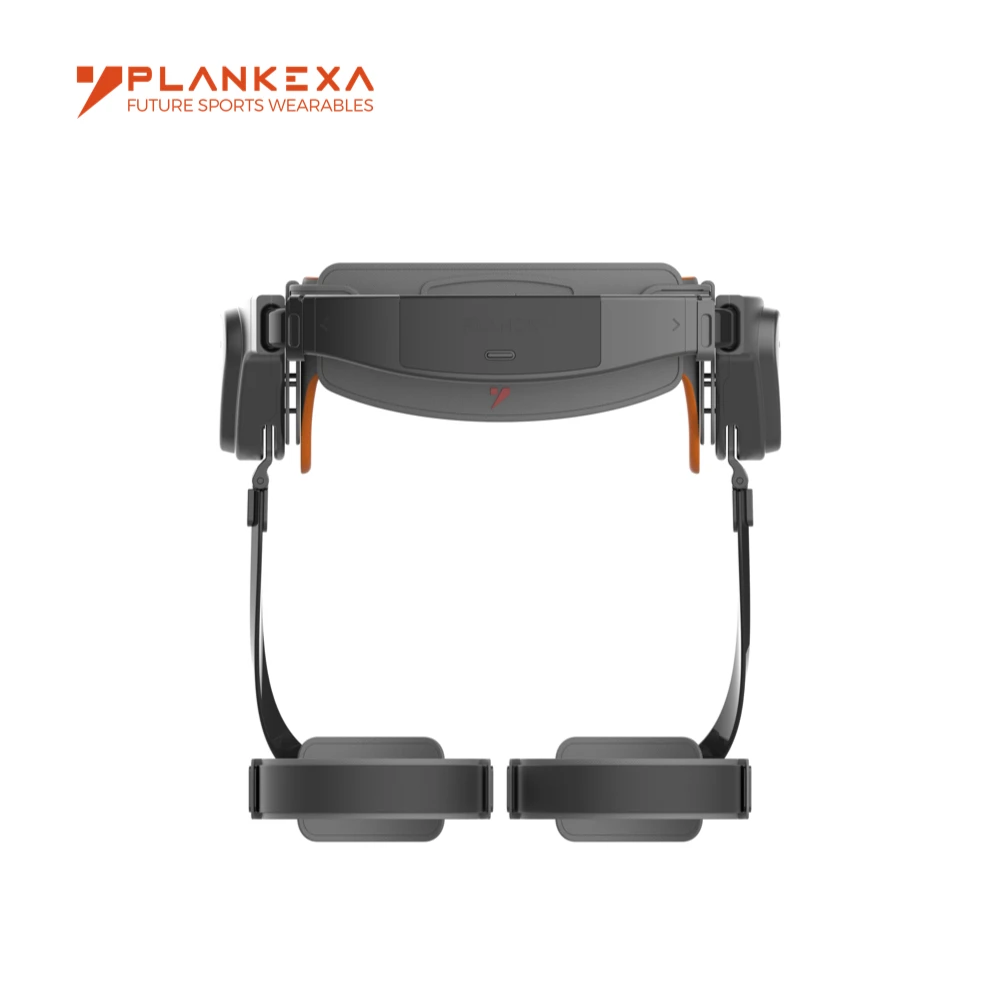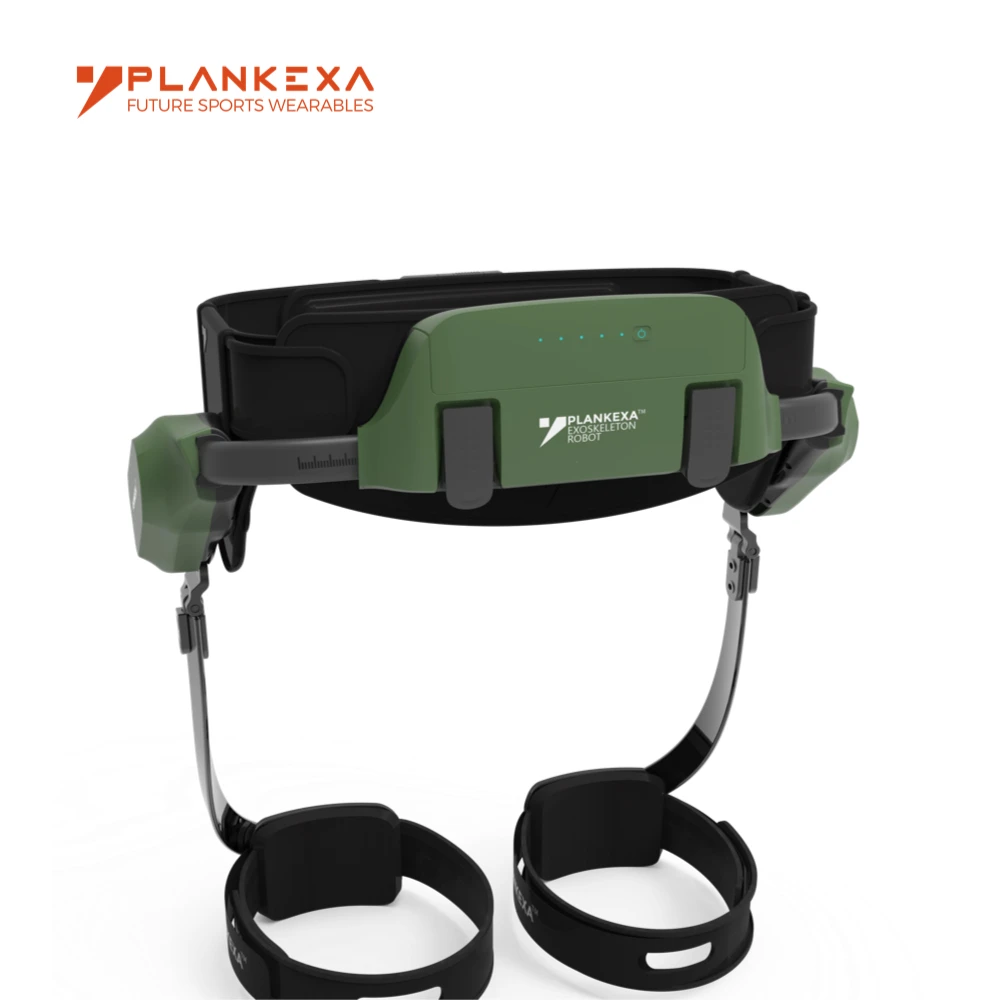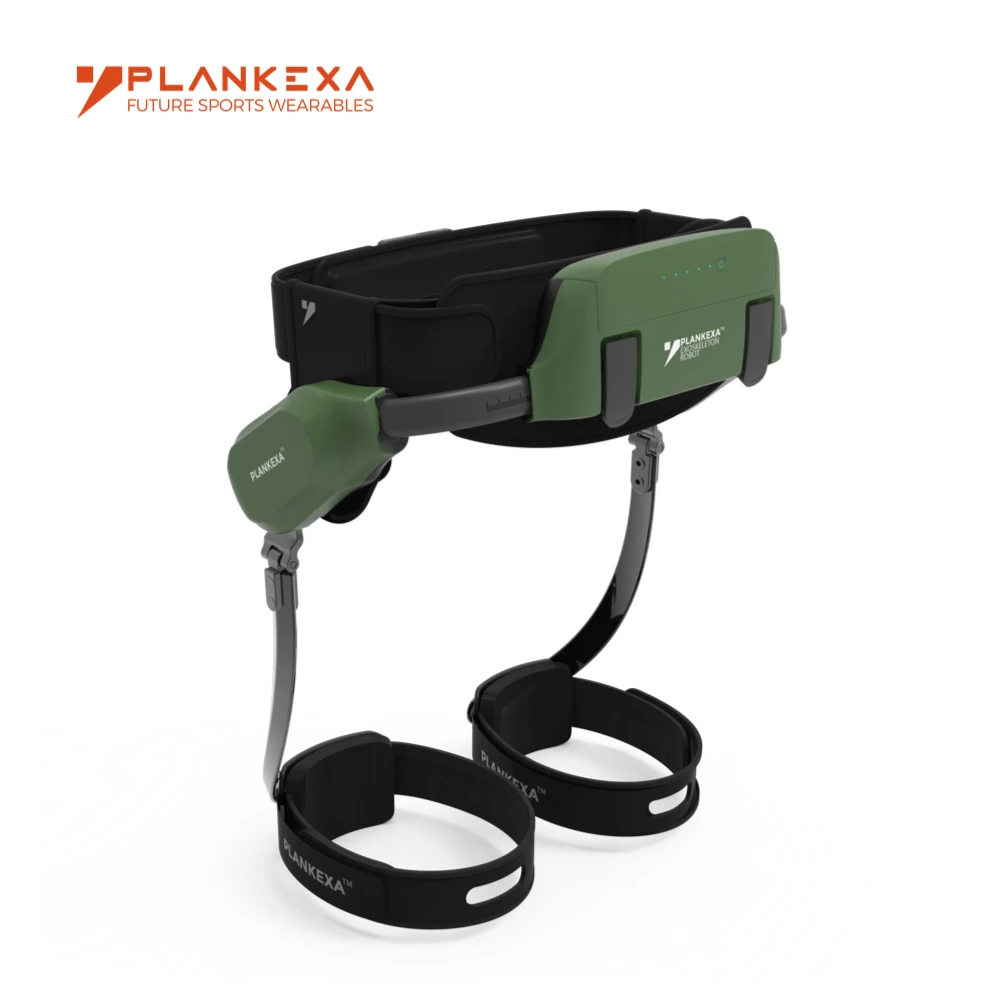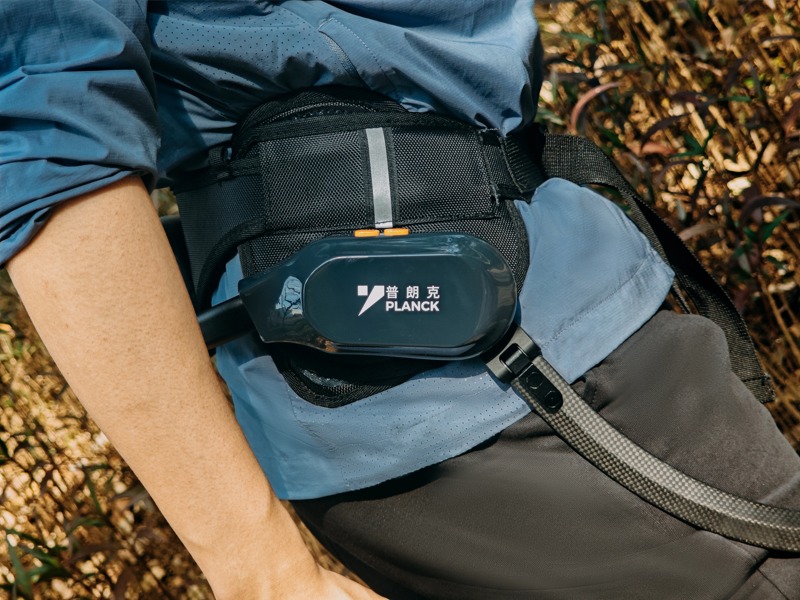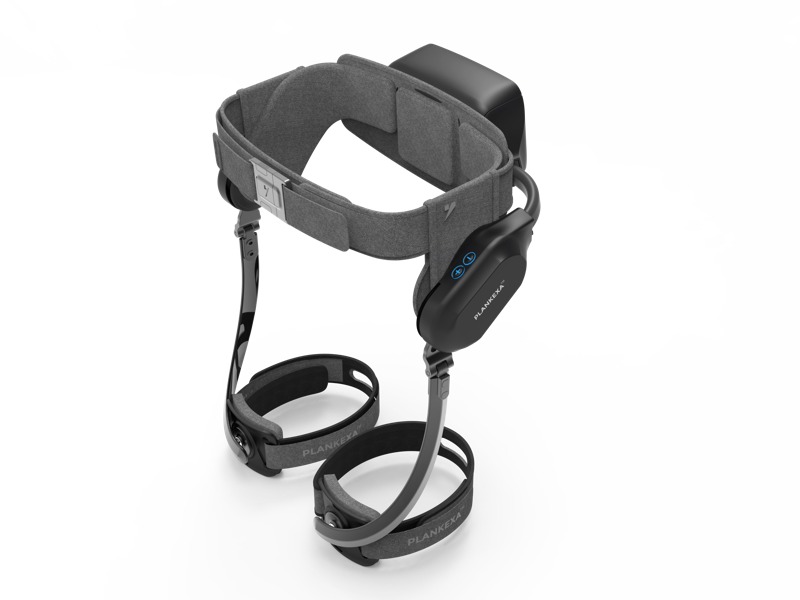
The market pricing of exoskeleton suits varies greatly, which is mainly affected by driving mode, material configuration, application fields and industry certification standards. Passive exoskeleton suits rely on mechanical spring structures without electronic control components, with relatively low comprehensive input in production and later maintenance. Active intelligent exoskeleton suits integrate high-precision sensors, servo drive systems, intelligent control algorithms and high-performance battery modules, requiring continuous large-scale investment in hardware procurement, software research and development and technical debugging. Aviation-grade alloy and carbon fiber lightweight materials can greatly optimize wearing experience and structural stability, which also raises the overall production threshold compared with conventional composite materials. Medical-grade exoskeleton suits need to complete long-term clinical verification and strict safety certification procedures, and multiple rounds of biomechanical testing and performance calibration will generate a large amount of hidden costs. Industrial and consumer exoskeleton suits adopt streamlined certification processes and large-scale standardized production, effectively sharing early R&D expenses. With the continuous improvement of industrial chains and technological iteration, the overall market pricing of mature exoskeleton products has become more reasonable, removing the high application threshold and promoting the wide popularization of wearable auxiliary equipment in various industries.