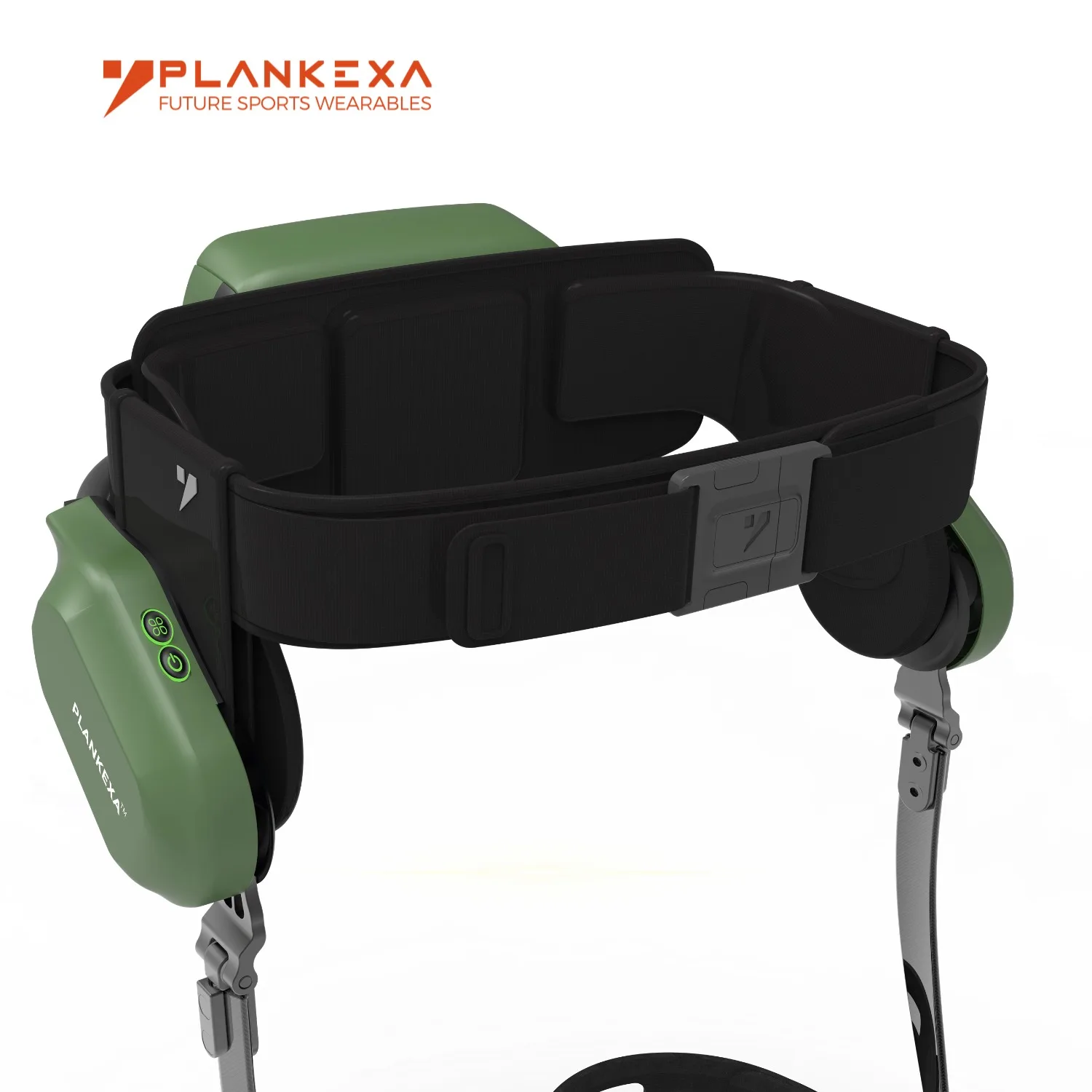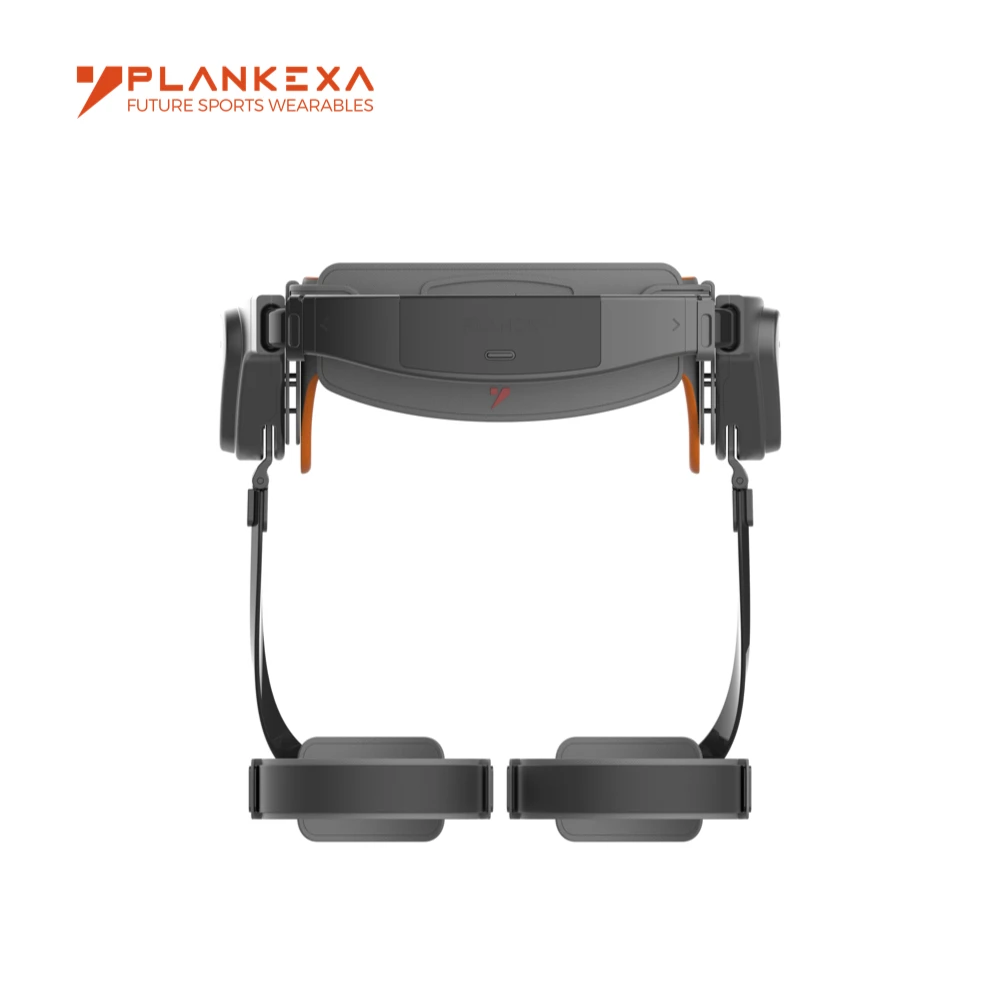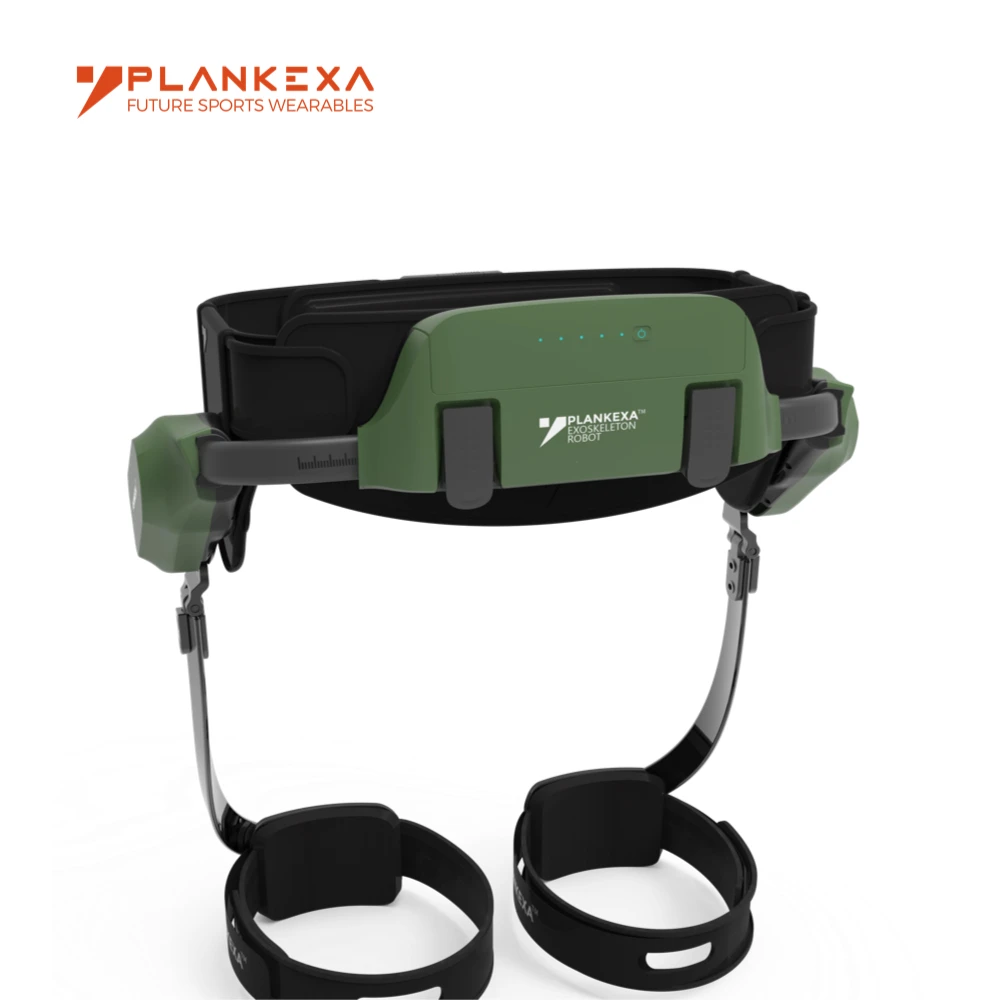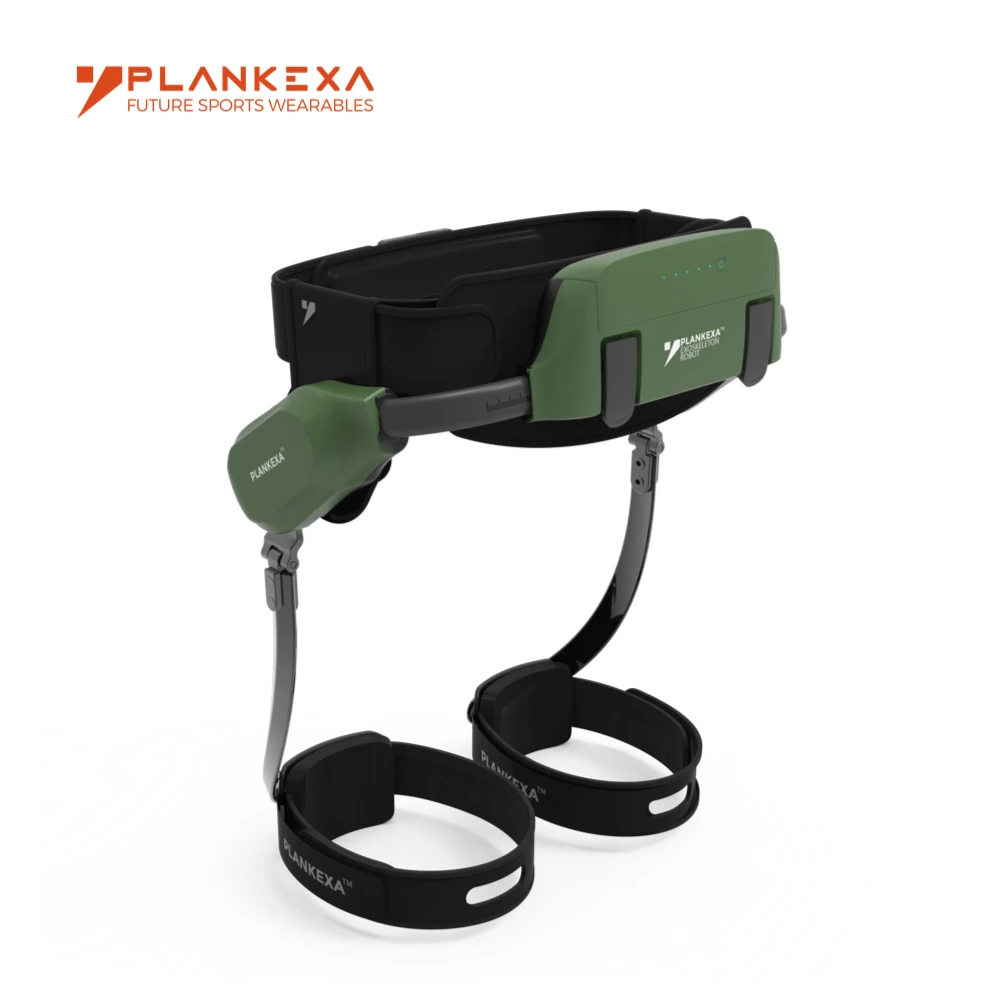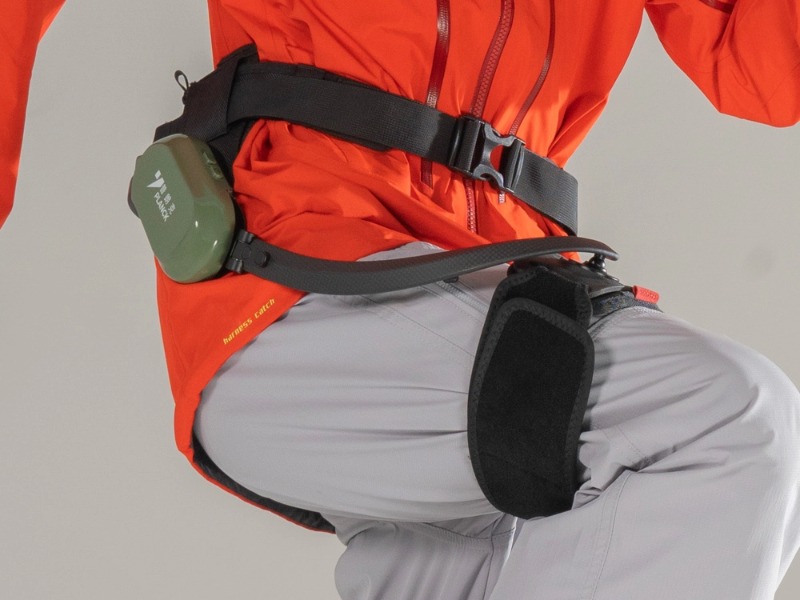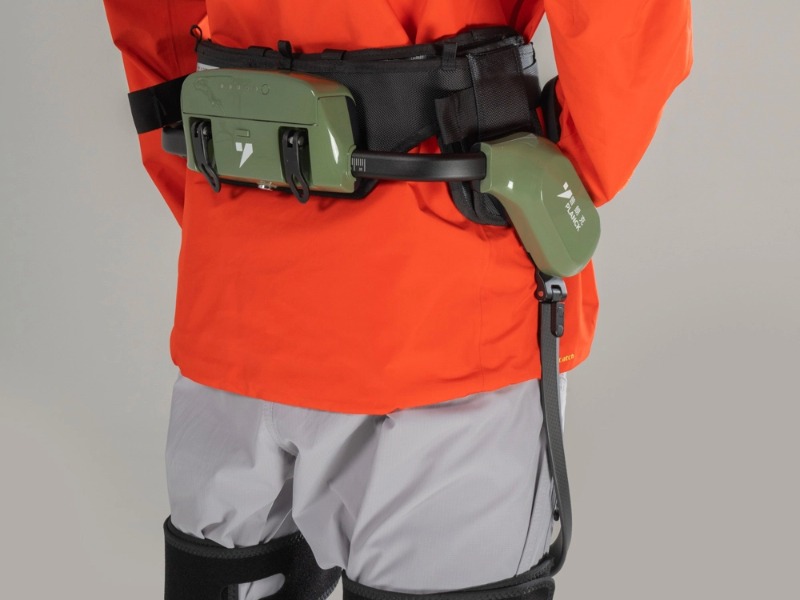
The pricing of exo suits is determined by multiple core factors covering technical configuration, material selection, application classification and industry certification standards. Passive mechanical exo suits adopt simple spring buffer structures without electronic drive modules, featuring relatively low overall manufacturing and maintenance costs. Active intelligent exo suits integrate high-precision sensors, servo drive components, adaptive control algorithms and long-life battery modules, requiring massive investment in core hardware and software research and development. The adoption of carbon fiber, aviation-grade alloy and other lightweight high-strength materials further raises production thresholds compared with ordinary composite raw materials. Medical-grade exo suits need to pass strict clinical trials and safety certification procedures, bringing long-cycle hidden costs in testing, calibration and compliance approval. In contrast, industrial and consumer-oriented exo suits enjoy more flexible pricing space thanks to streamlined certification processes and large-scale mass production. With the continuous improvement of domestic supply chains, optimized production processes and intensified market competition, the overall market pricing of mature exo suit products has gradually become more friendly, greatly promoting the popularization of wearable auxiliary equipment in various industries.