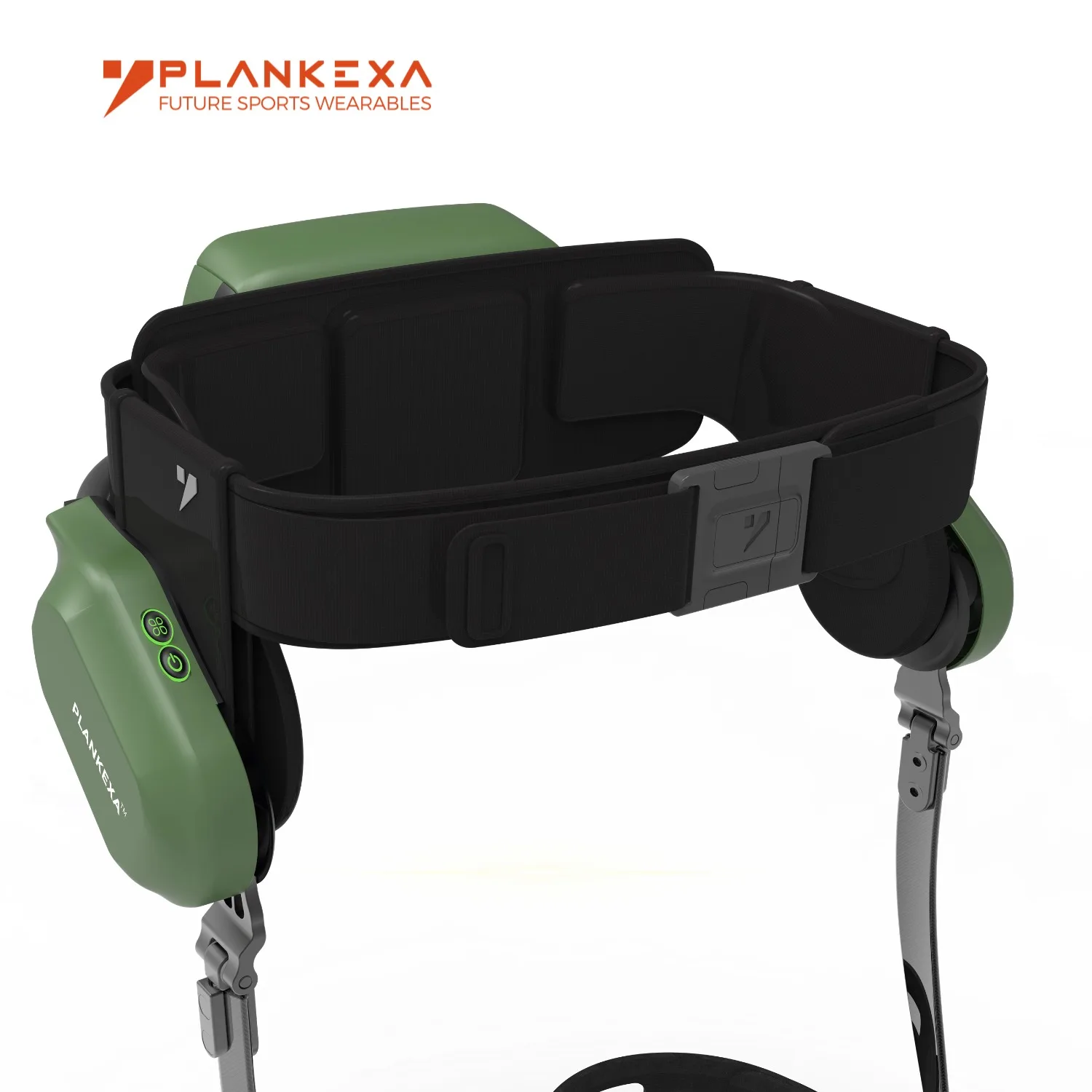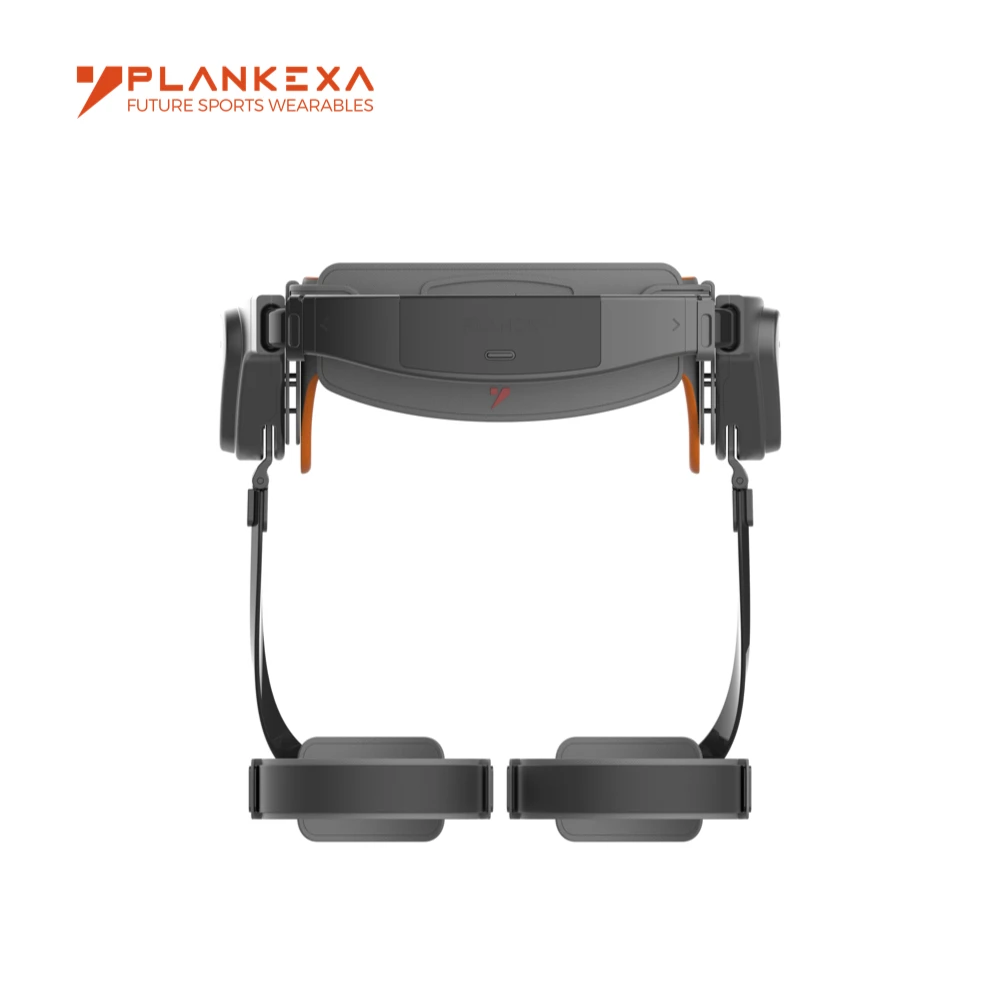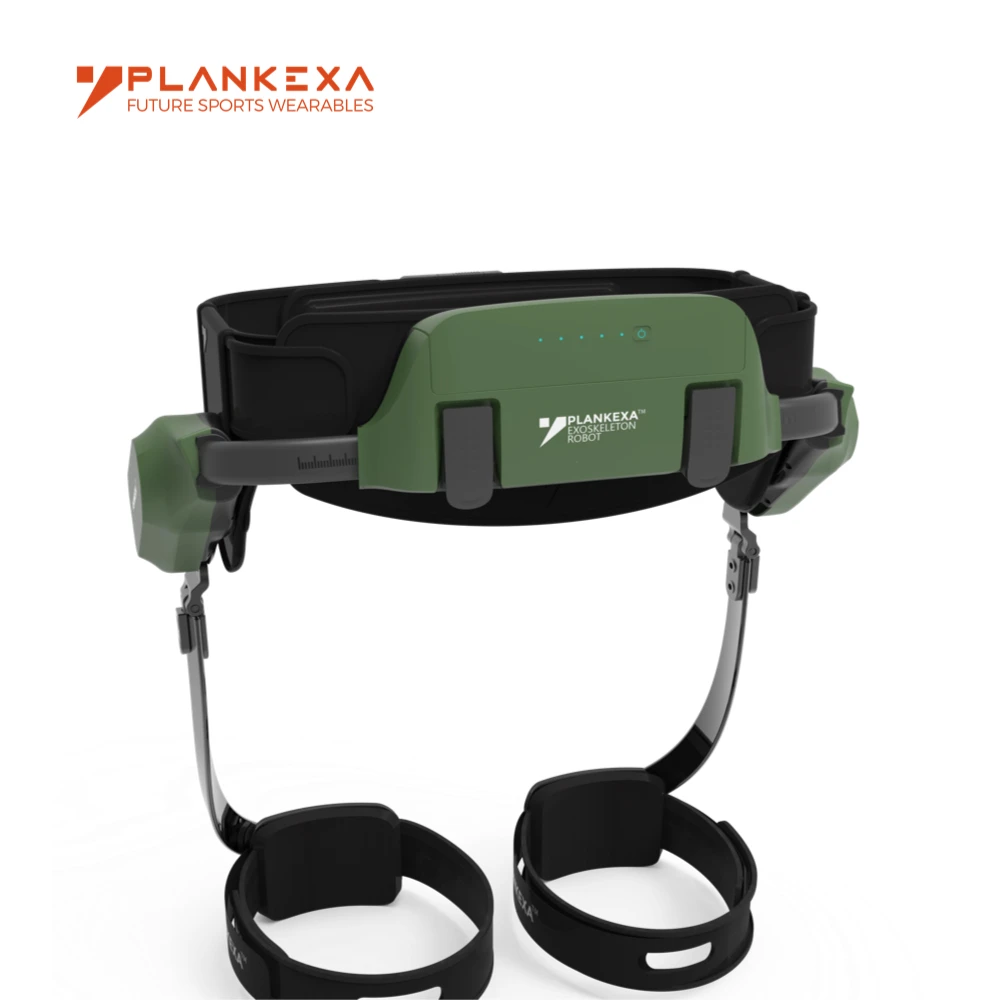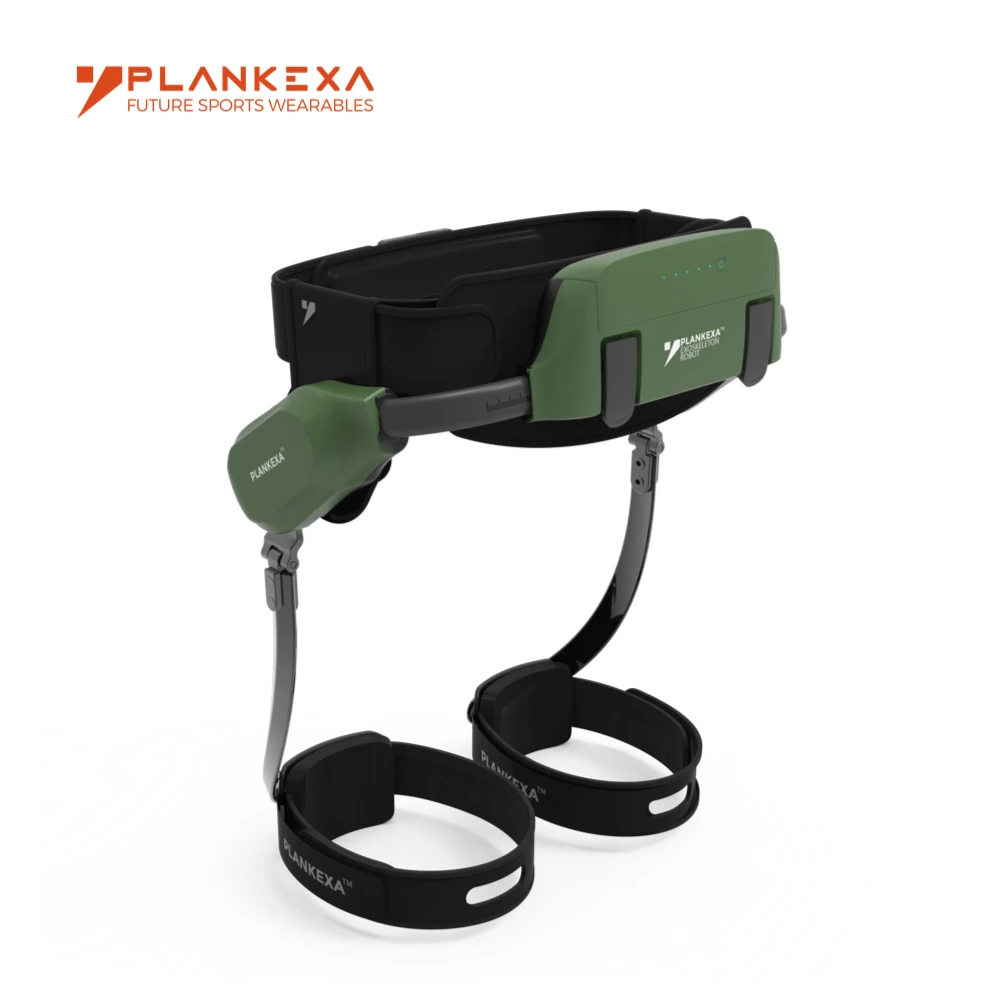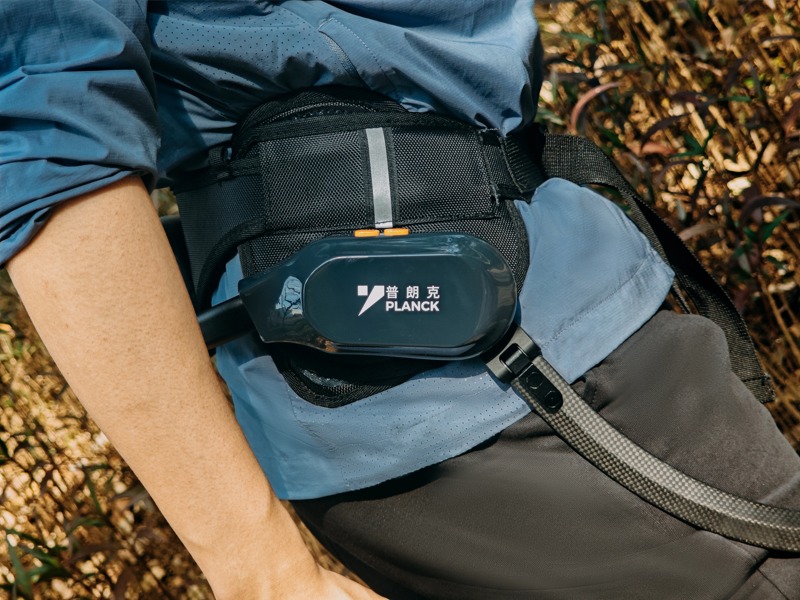
A bionic suit is an advanced wearable device developed by simulating the movement rules of human bones, joints and muscle chains, combining bionic engineering, sensing technology and intelligent control technology. It closely fits the body’s natural motion trajectory and imitates the movement logic of human limbs to provide coordinated auxiliary power for the wearer. Different from traditional rigid protective equipment, most bionic suits adopt flexible lightweight structures, which will not restrict the range of joint movement while providing effective support. Built-in high-sensitivity sensors can capture subtle changes in posture and movement in real time, dynamically adjusting auxiliary force to match the wearer’s motion intention. It is widely used in clinical rehabilitation training for patients with hemiplegia, paraplegia and limb weakness, as well as professional sports auxiliary training and high-intensity industrial labor protection. The bionic suit can effectively correct abnormal gait, prevent muscle atrophy caused by long-term inactivity, relieve cumulative physical fatigue, help users rebuild normal movement habits, and significantly improve physical mobility and overall physical comfort in long-term use scenarios.