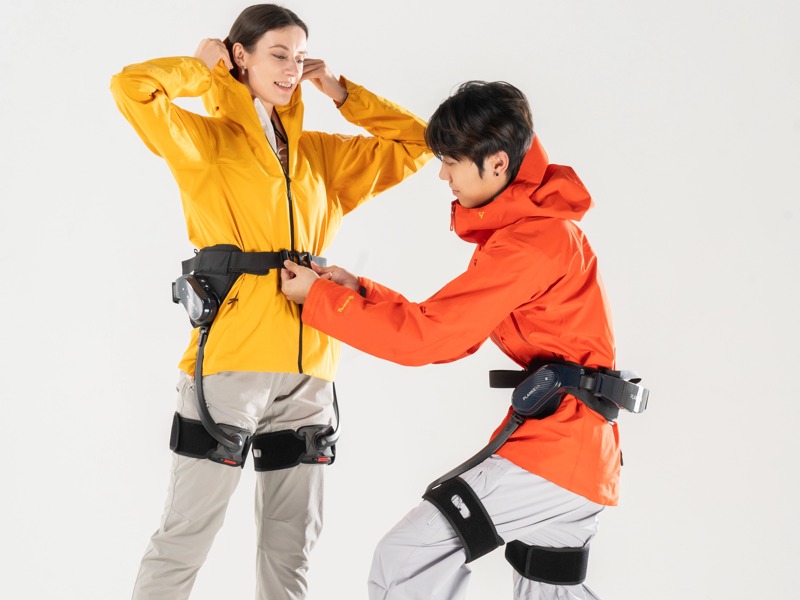
Selecting the right exoskeleton has become increasingly important as this transformative technology expands across industrial, logistics, construction, and outdoor sectors. An exoskeleton is a wearable robotic device designed to enhance human physical capability, reduce fatigue, and prevent injury during demanding tasks. However, choosing an exoskeleton requires understanding your specific operational needs, work environment, and performance objectives. This buying guide walks you through the essential decision factors that will help you identify and deploy an exoskeleton solution that genuinely improves productivity while protecting your workforce.
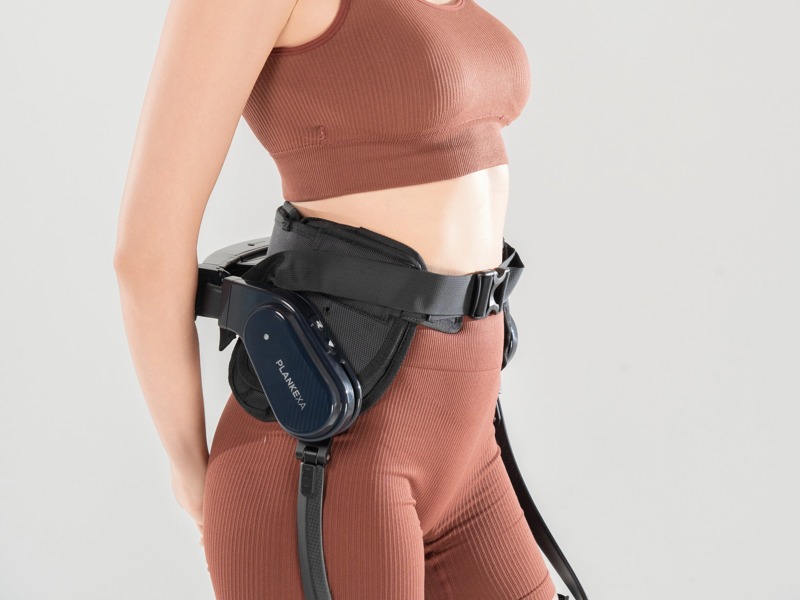
The global adoption of exoskeleton technology reflects genuine operational benefits, but the investment requires clear alignment between your workflow demands and device capabilities. An exoskeleton can significantly reduce worker strain, lower injury rates, and improve task efficiency, but only when matched appropriately to your application. Understanding the core selection criteria ensures you avoid oversized systems, underperforming equipment, or misaligned technology investments that fail to deliver return on investment.
Define Your Primary Use Case and Environment
Identifying Operational Demands
Your first step in choosing an exoskeleton is clearly defining the primary tasks and physical demands your workforce faces daily. An exoskeleton designed for repetitive overhead assembly work differs fundamentally from an exoskeleton built for load-carrying in construction or climbing in outdoor environments. Document the specific movements, weight loads, repetition cycles, and duration of physical exertion in your target application. This operational clarity prevents you from selecting a generic exoskeleton that lacks the specialized support features your workers actually need.
Evaluating Environmental Conditions
The physical environment where an exoskeleton will operate directly impacts technology selection. Industrial indoor facilities with controlled climate conditions allow different exoskeleton specifications than outdoor construction sites, rugged terrain, or extreme weather exposure. An exoskeleton intended for warehouse operations must prioritize compact design and electrical efficiency, while an exoskeleton for outdoor work demands durability, waterproofing, and robust battery performance. Analyze factors including temperature ranges, moisture exposure, dust contamination, and uneven surfaces to ensure your chosen exoskeleton maintains performance reliability throughout its operational life.
Assess Technical Specifications and Performance Metrics
Load Capacity and Support Coverage
Every exoskeleton model provides specific load-carrying capacity and biomechanical support across particular body regions. Some exoskeleton designs focus on lower-body load support for warehouse and logistics tasks, while others emphasize upper-body assistance for overhead assembly or industrial maintenance work. An exoskeleton with insufficient load capacity creates user frustration and delivers minimal fatigue reduction, while oversized exoskeleton systems add unnecessary weight and complexity. Carefully match the exoskeleton's rated load capacity to your actual average and peak weight handling requirements, factoring in growth or seasonal fluctuation in task demands.
Power, Battery Life, and Operational Endurance
Modern exoskeleton systems rely on electric motors, pneumatic assistance, or passive mechanical support, each with distinct power and endurance profiles. An exoskeleton powered by rechargeable batteries must deliver sufficient daily runtime to match your shift length plus reasonable safety margin. Evaluate the exoskeleton's battery charging time, whether mid-shift recharging is practical in your environment, and whether backup power systems or hot-swappable batteries are available. For continuous-operation facilities, an exoskeleton with passive assistance or pneumatic support may prove more practical than one requiring frequent electrical recharging.
Consider User Comfort, Training, and Deployment Economics
Fit, Comfort, and Workforce Adaptation
An exoskeleton that workers actively resist using delivers no operational benefit regardless of technical specifications. Comfort features including padding, weight distribution, and adjustability directly influence user adoption rates and sustained workplace acceptance. An exoskeleton should distribute its own weight evenly across the wearer's body, incorporate intuitive control mechanisms, and accommodate body-size variation across your workforce diversity. Organizations that rush deployment without addressing comfort and user training often experience disappointing adoption, while those prioritizing the human-technology interface see faster acceptance and measurable productivity gains.
Training Requirements and Maintenance Infrastructure
Deploying an exoskeleton requires clear training protocols, technical support systems, and preventive maintenance schedules. An exoskeleton represents a capital investment that demands trained personnel for equipment setup, daily inspections, troubleshooting, and repairs. Evaluate whether your organization possesses the technical capacity to maintain an exoskeleton system, or whether you require vendor support arrangements and spare-parts availability. The exoskeleton selection process should include assessment of vendor reputation, technical documentation quality, available training resources, and warranty coverage that supports your operational sustainability.
Evaluate Return on Investment and Scalability
Cost Structure and Financial Justification
Exoskeleton investment spans purchase price, installation costs, ongoing maintenance, power consumption, and training expenses. Calculate your total cost of ownership over a three to five-year deployment window rather than focusing solely on initial equipment expense. Compare this investment against documented benefits including worker injury reduction, productivity gains, reduced sick leave, and improved task quality. An exoskeleton justified by injury prevention alone may show strong financial returns, while one dependent primarily on productivity improvements requires careful measurement of actual output increases versus baseline performance.
Scalability and Deployment Expansion
Your initial exoskeleton deployment often represents a pilot that informs future expansion decisions. Consider whether your selected exoskeleton system can scale from single-unit testing to multi-unit fleet deployment across facilities or job sites. An exoskeleton that proves effective in controlled pilot environments may face unexpected challenges during scaled operations, supply-chain constraints may limit expansion speed, and workforce training complexity may multiply with larger deployments. Select an exoskeleton vendor with demonstrated capacity to support growth, manage inventory effectively, and provide consistent technical support as your operation expands.
FAQ
What are the main types of exoskeleton systems available today?
Exoskeleton systems generally fall into three primary categories: passive exoskeletons that use mechanical structures and spring mechanisms to support weight without external power, active powered exoskeletons that employ electric motors and hydraulic systems for enhanced force amplification, and hybrid models combining both approaches. Passive exoskeleton designs offer simplicity and reliability but provide limited load-carrying enhancement, while active exoskeleton systems deliver superior performance for heavy industrial applications but require power management and regular maintenance. Your specific application determines which exoskeleton type delivers optimal value.
How long does it typically take to implement an exoskeleton system?
Exoskeleton implementation timeline varies based on organizational size, workforce training complexity, and technical infrastructure requirements. Small pilot deployments with single exoskeleton units may begin delivering results within weeks, while comprehensive facility-wide rollouts involving dozens of exoskeleton devices typically require three to six months including procurement, installation, staff training, and process workflow integration. Budget additional time for exoskeleton system testing, performance baseline measurement, and adjustment periods before drawing final conclusions about operational impact and return on investment.
Can an exoskeleton reduce workplace injuries and worker compensation costs?
Yes, exoskeleton deployment consistently demonstrates injury reduction across industries deploying the technology effectively. An exoskeleton reduces repetitive strain injuries, back problems, and musculoskeletal disorders by distributing load bearing and reducing fatigue-related errors that cause accidents. However, injury reduction requires proper exoskeleton fit, comprehensive user training, and workplace safety culture that prioritizes correct usage protocols. Organizations that treat exoskeleton deployment as a technology addition without addressing workflow optimization and safety practices see diminished benefits compared to those integrating exoskeleton adoption into comprehensive worker protection strategies.