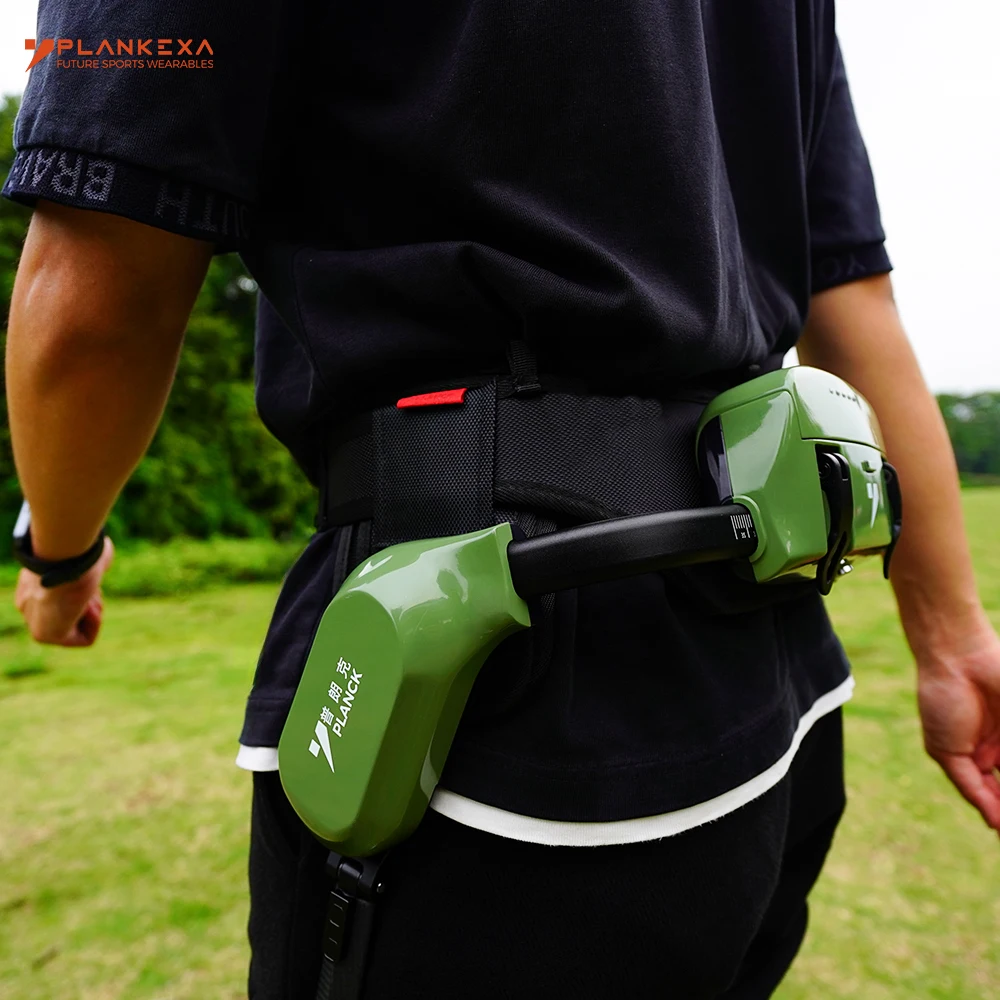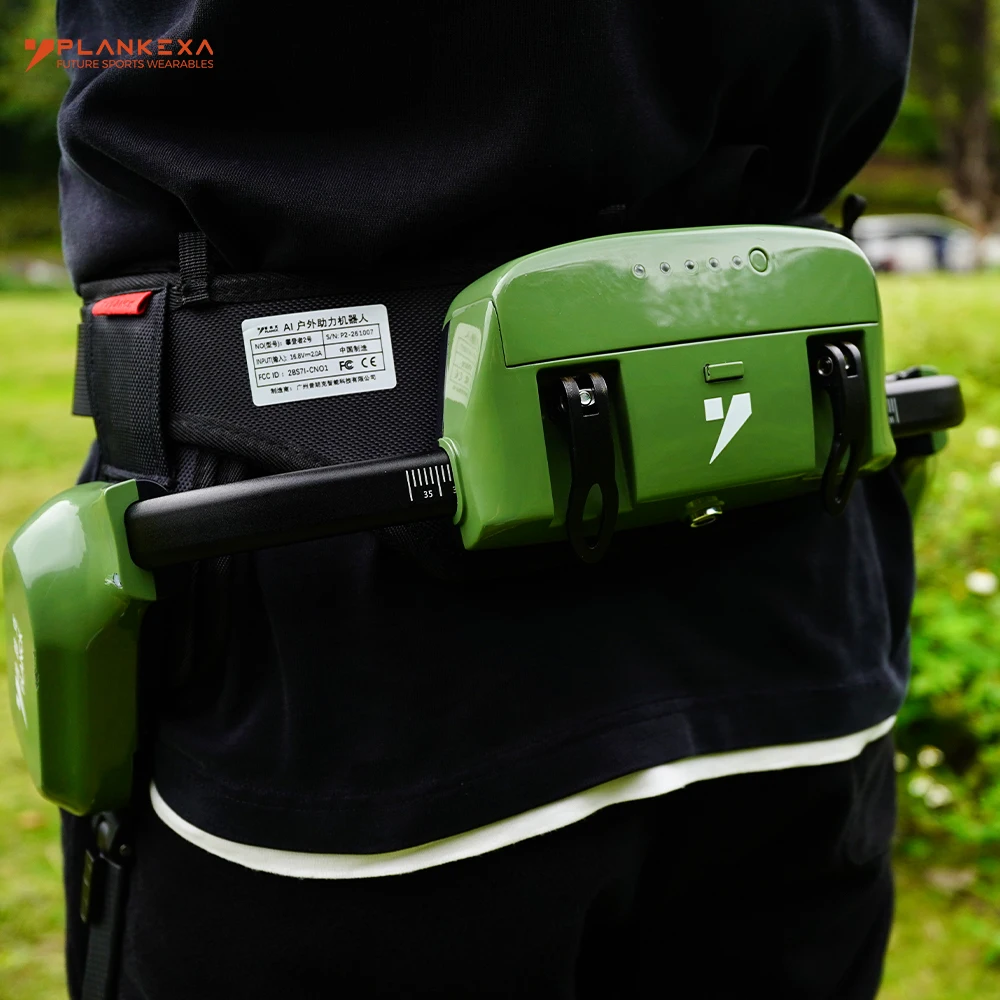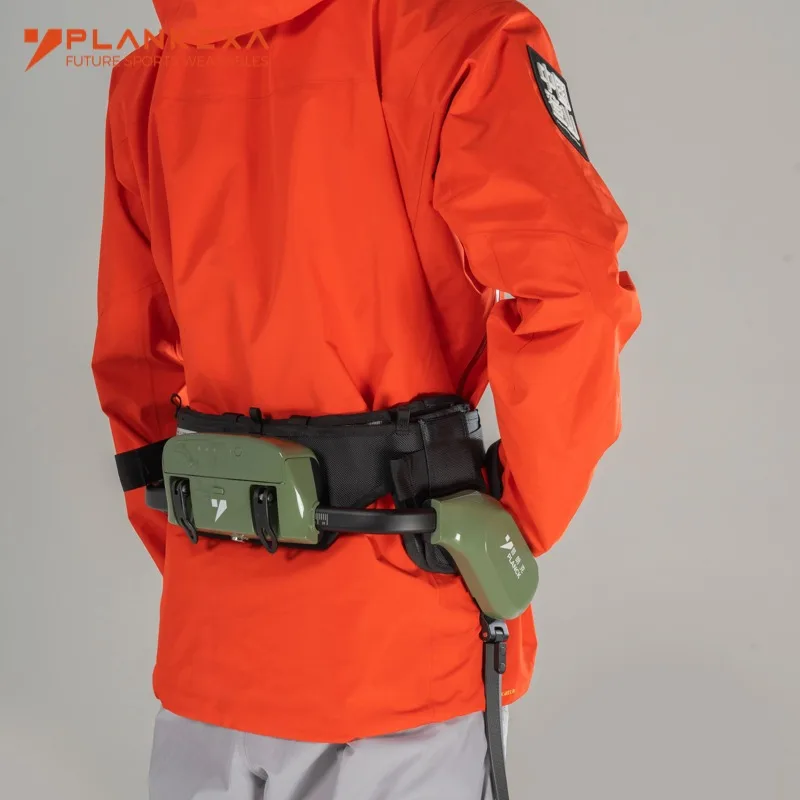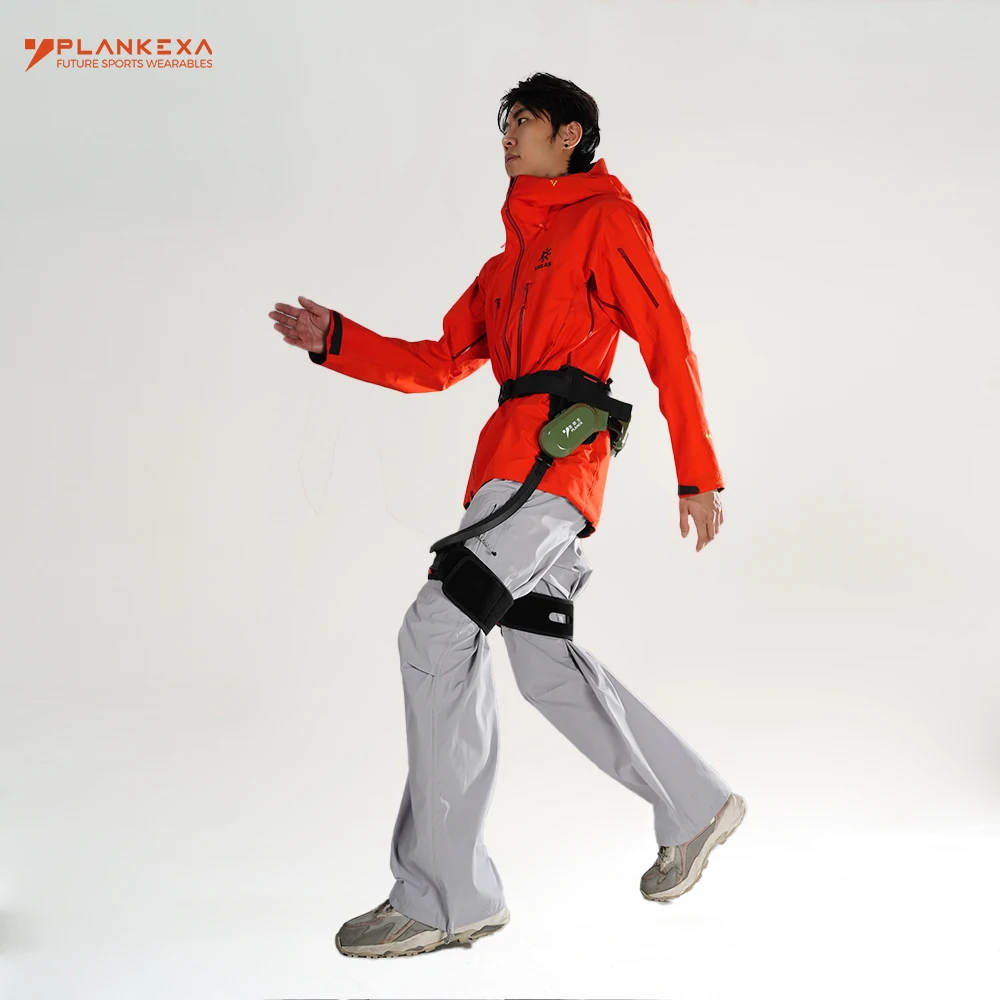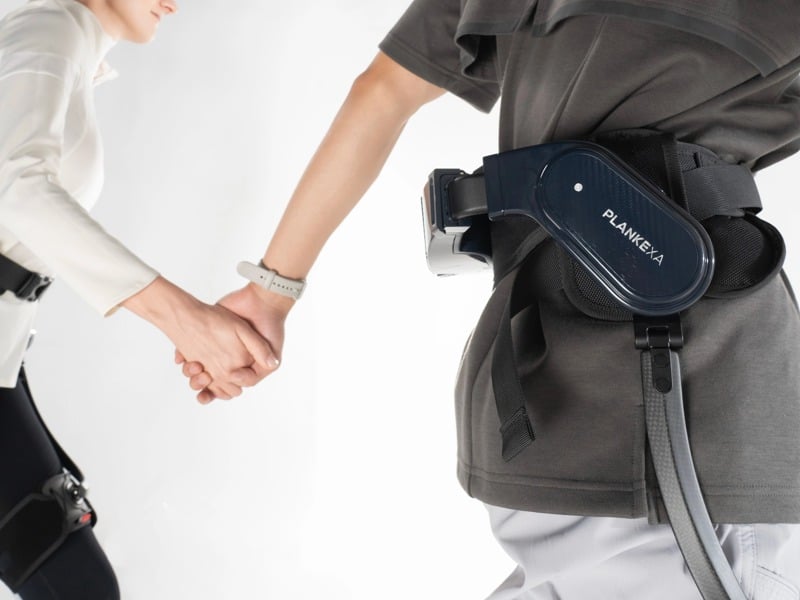
A wearable walking assistant is a lightweight intelligent exoskeleton device designed to help the elderly, people with lower limb injuries and mobility-impaired patients walk safely and independently. Constructed from high-rigidity yet lightweight carbon fiber and breathable soft materials, it fits closely around hips, thighs and knees without restricting normal bending and striding movements. Built-in high-precision motion sensors can capture users’ gait signals and body posture in real time, outputting appropriate auxiliary torque to support standing, walking, turning and slow stair climbing. It effectively reduces the load on weakened leg muscles, improves body balance and greatly lowers the risk of accidental falls. During rehabilitation training, the device records gait data, analyzes walking abnormalities and helps therapists formulate targeted recovery plans. Users can freely adjust the binding tightness to fit different body shapes, and most versions support quick disassembly for daily wearing and storage. Equipped with anti-tilt locking, emergency stop and overload protection mechanisms, it guarantees high safety both indoors and outdoors. Widely used in family care, community rehabilitation and medical institutions, the wearable walking assistant helps mobility-limited users regain walking ability, reduces caregivers’ burden and brings greater freedom and confidence to daily life.