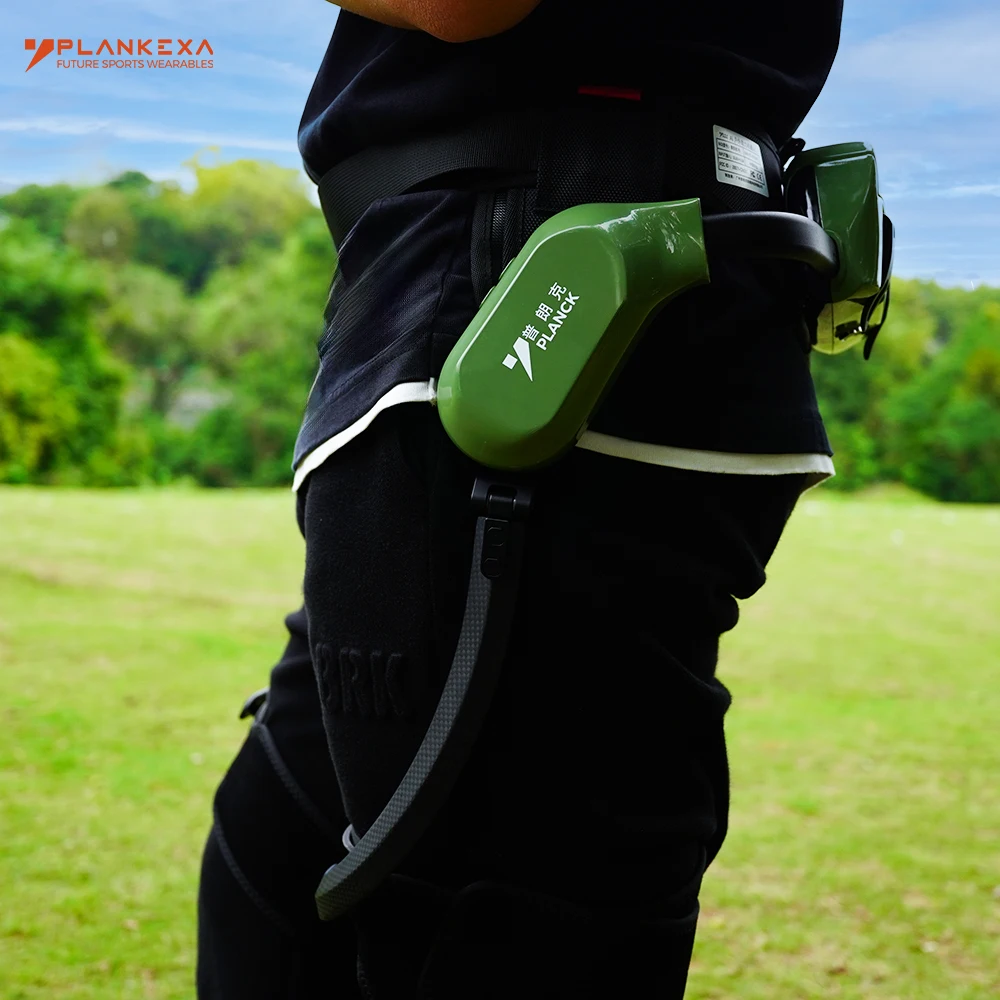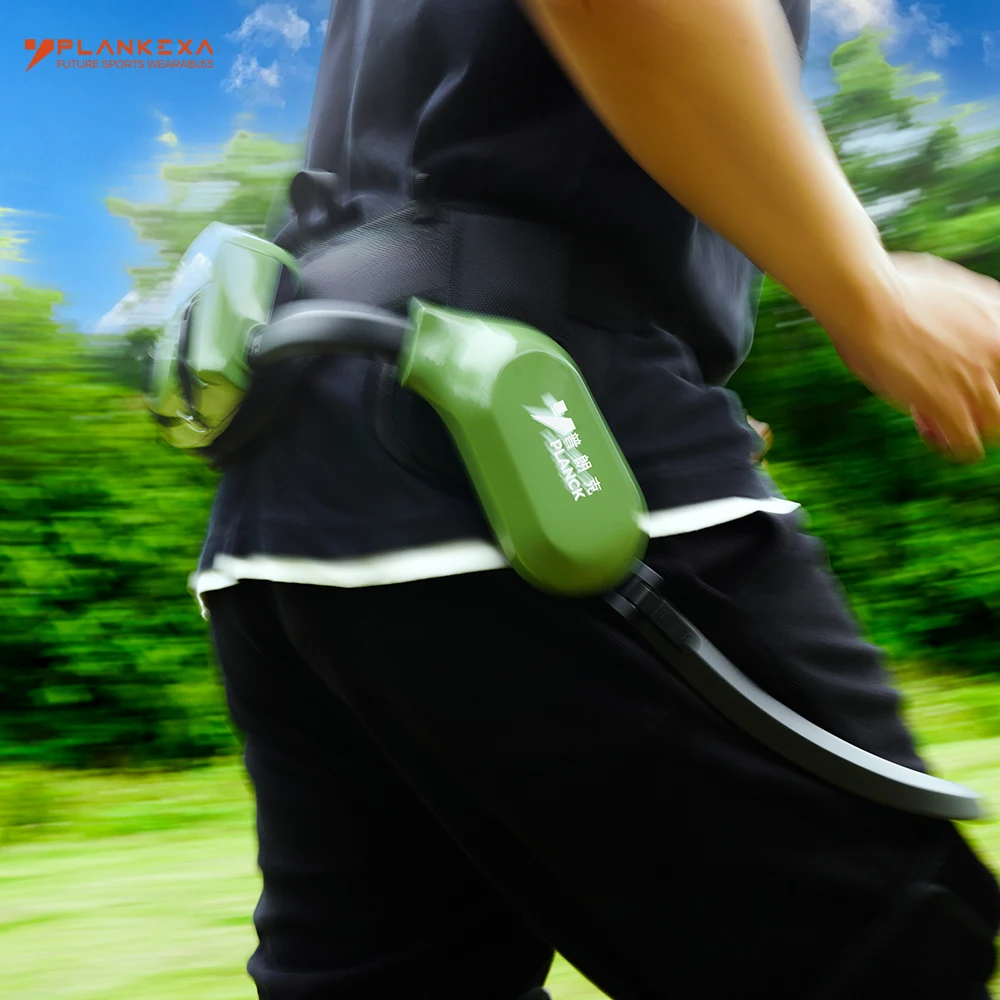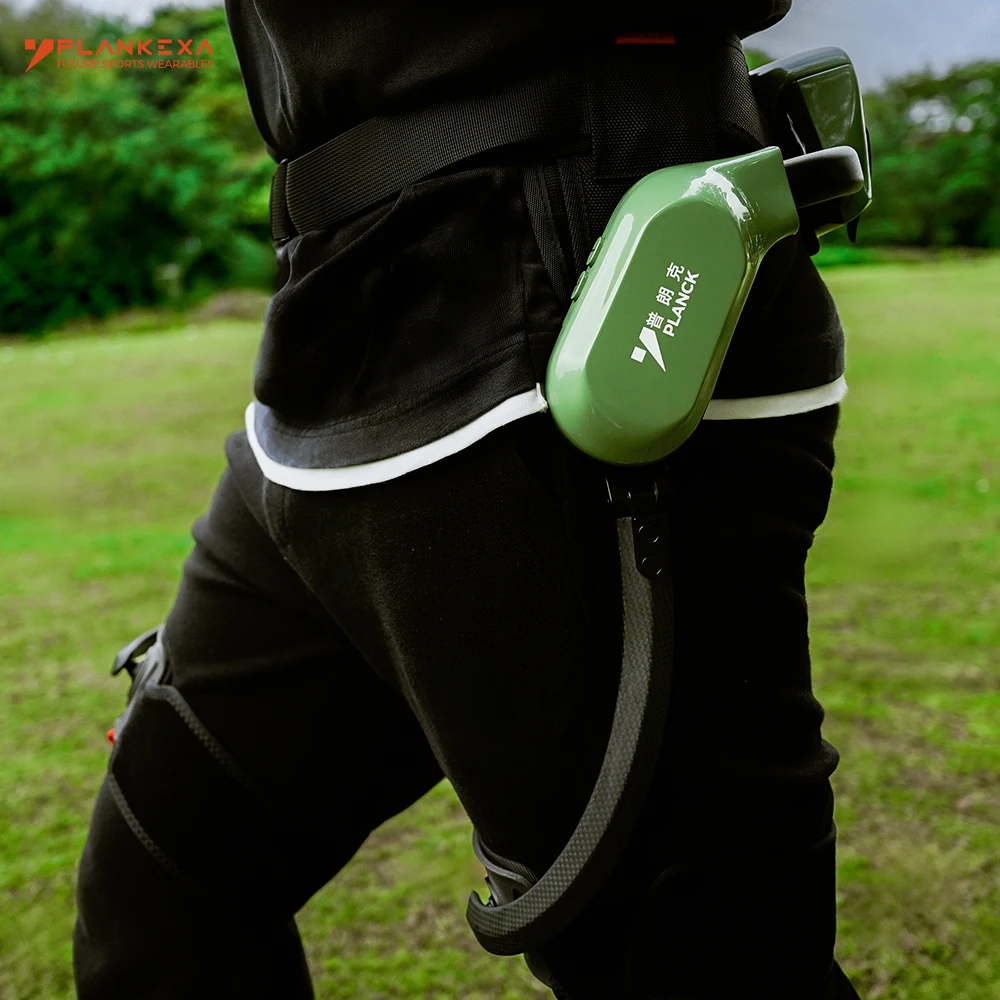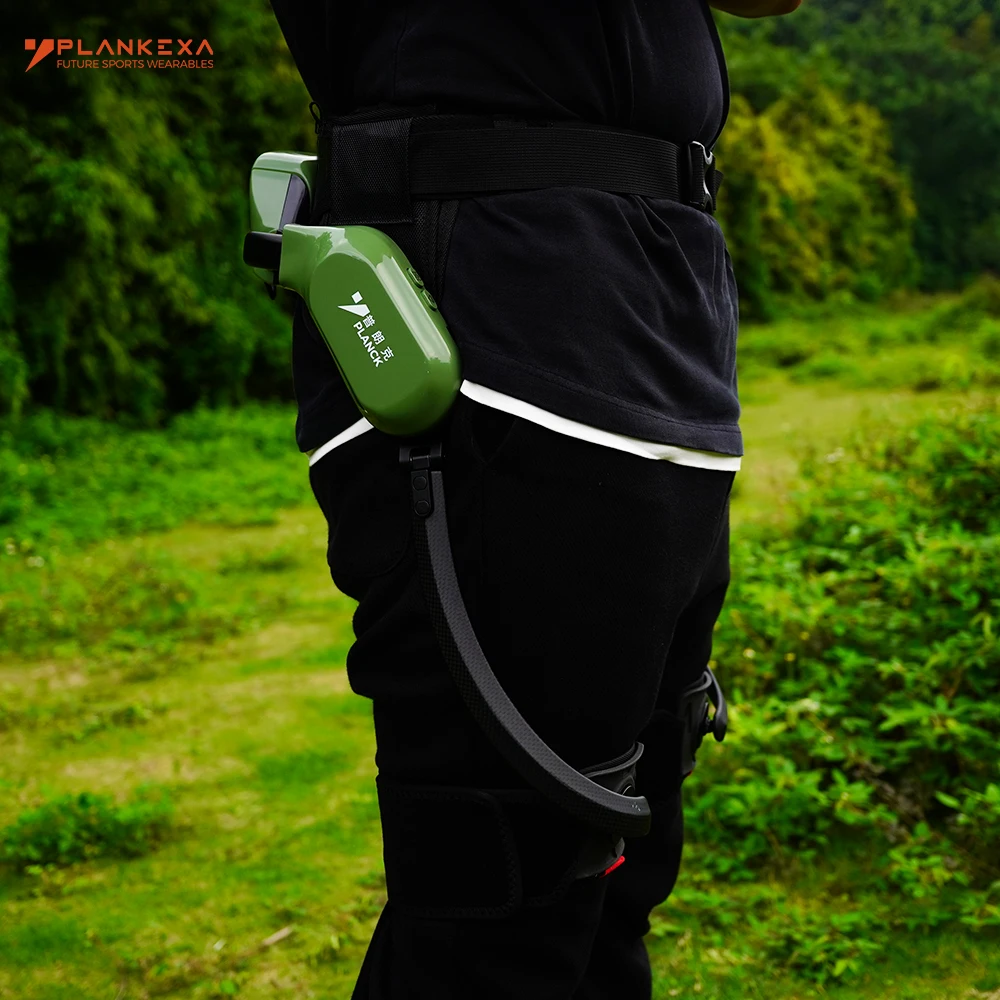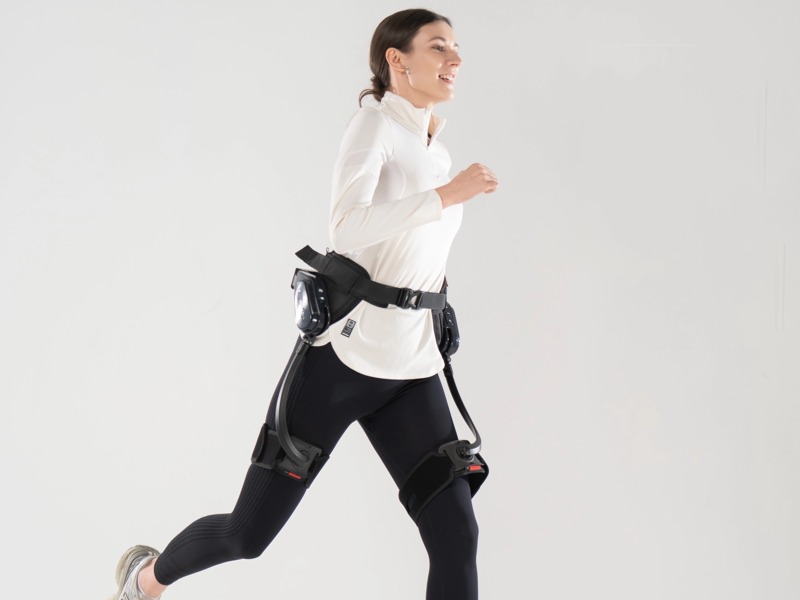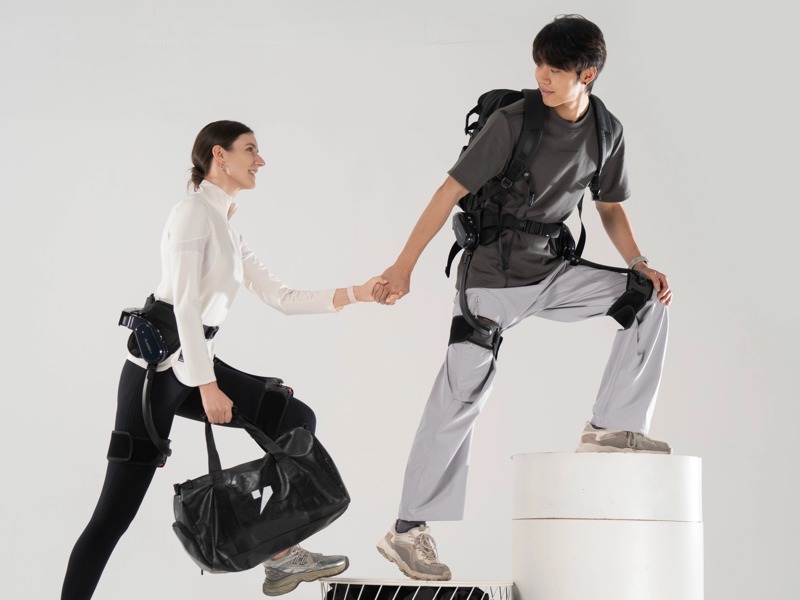
A sports rehabilitation robot is professional intelligent equipment specially developed for athletes and fitness enthusiasts recovering from sports injuries such as ligament strains, joint sprains and muscle tears. Combining high-precision sensors, bionic mechanical structures and adaptive control systems, it can collect real-time limb movement data, analyze abnormal postures and formulate personalized gradual training plans. Different from traditional manual rehabilitation, it can precisely control training range, speed and torque to avoid excessive exercise causing secondary damage to injured joints and muscles. During the recovery period, the robot guides users to complete passive stretching, active strength training and gait correction exercises, helping restore joint flexibility, muscle strength and motor coordination step by step. It records training data continuously to track rehabilitation progress, allowing physiotherapists to adjust recovery schemes timely. Equipped with safety protection functions including overload limitation, emergency stop and angle limit lock, it ensures stable and secure training. Widely used in sports hospitals, professional sports teams and fitness rehabilitation centers, sports rehabilitation robots greatly improve recovery efficiency, shorten the return-to-sport cycle, and help injured users safely resume training and daily sports activities.