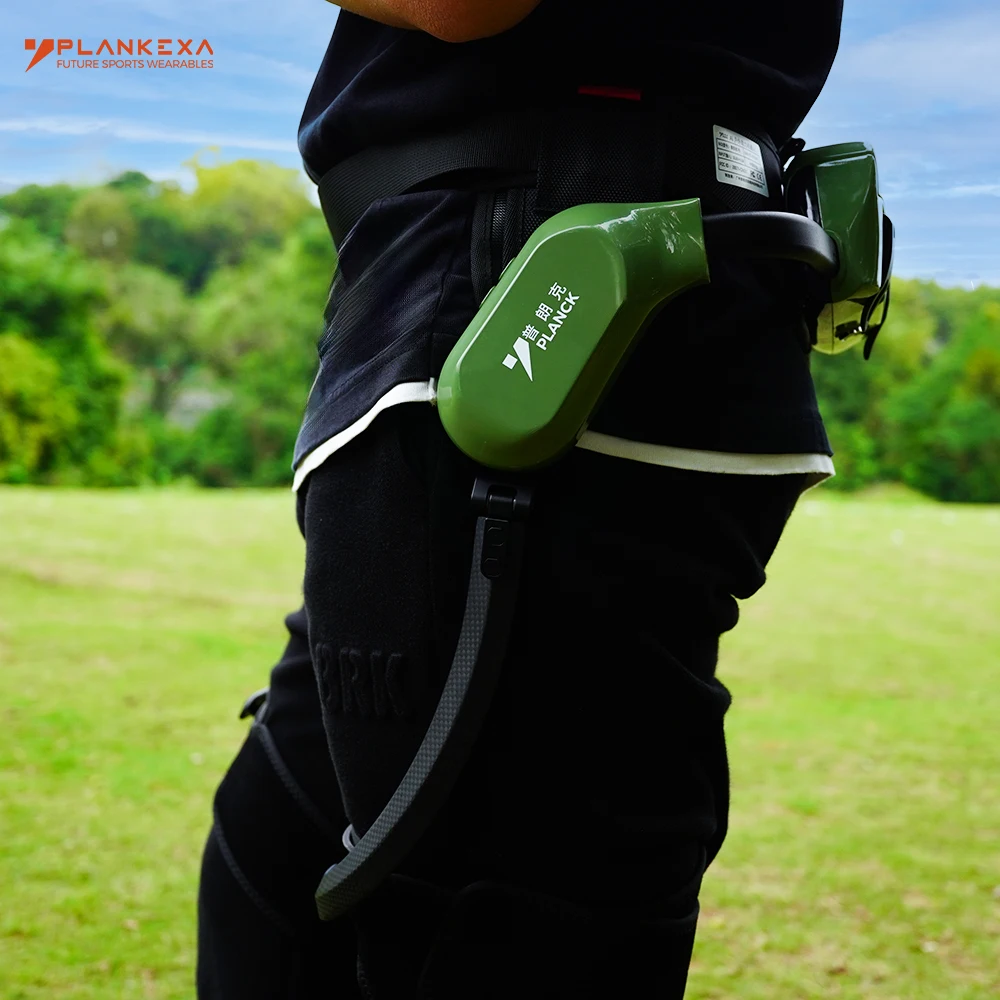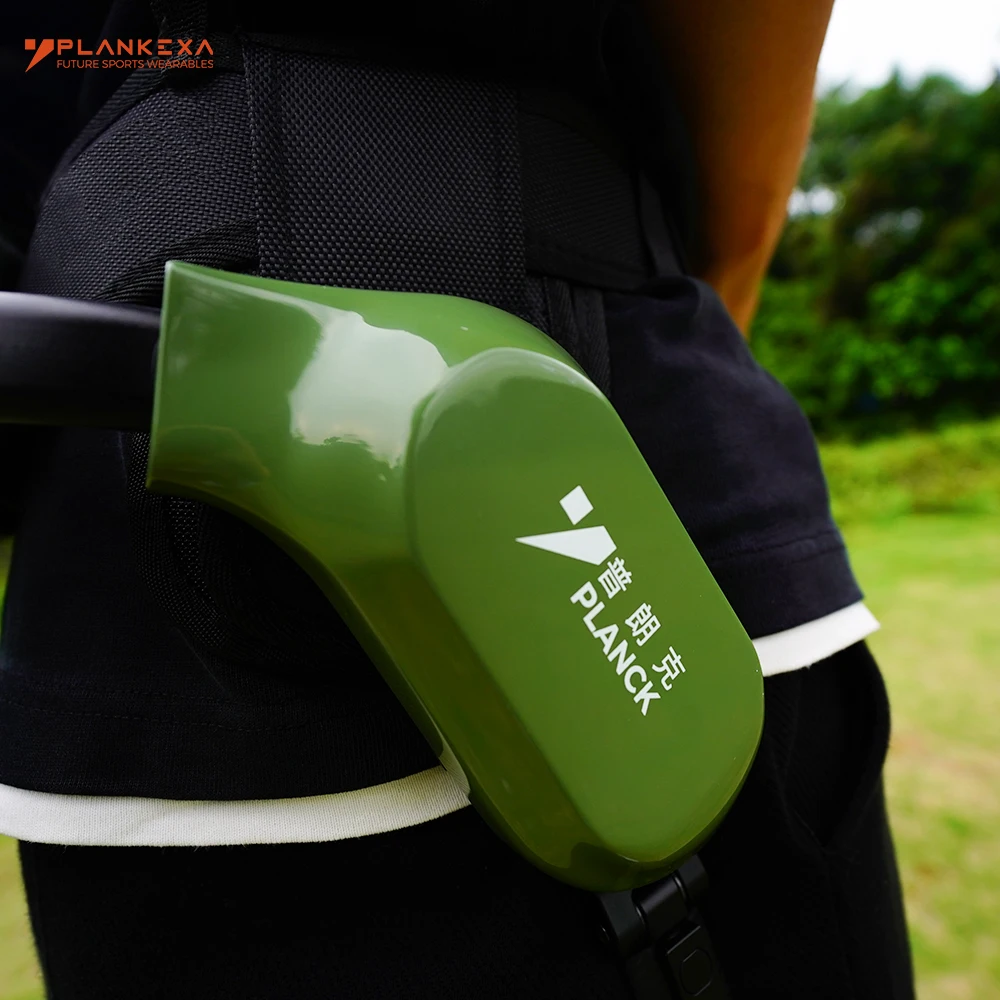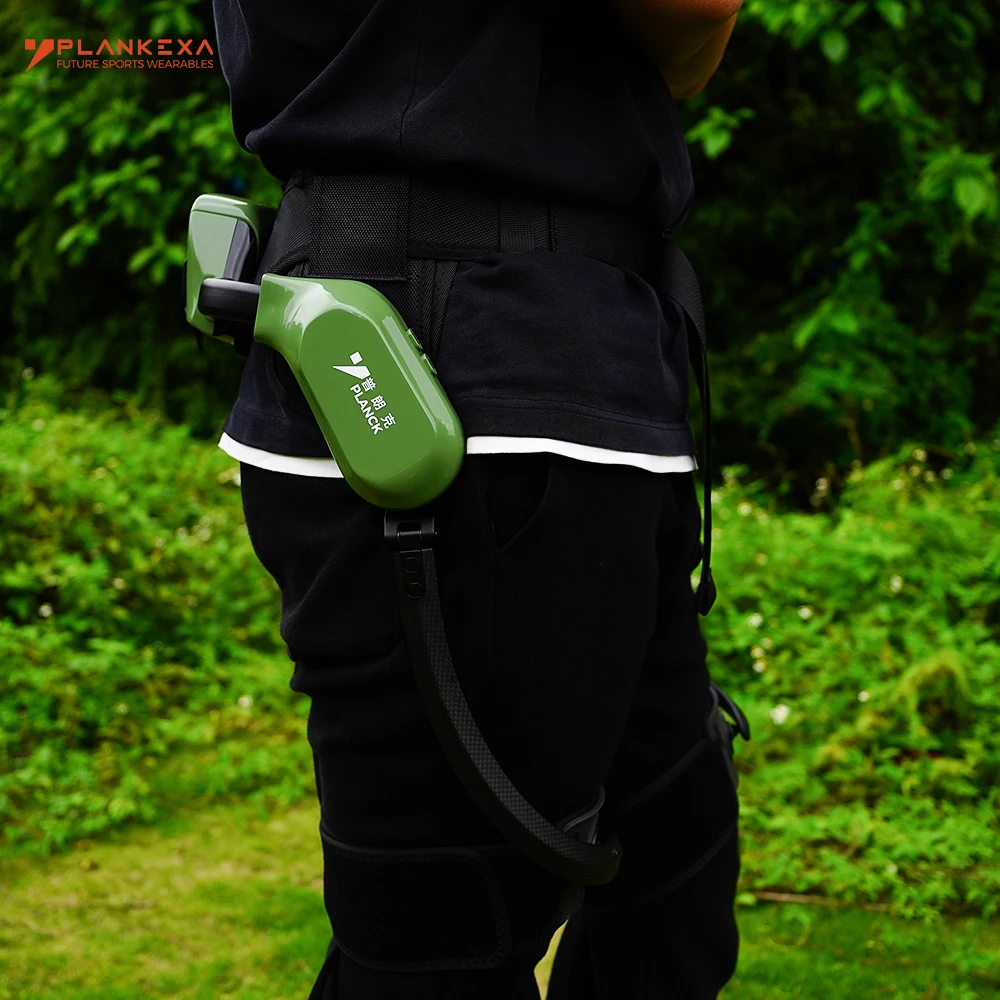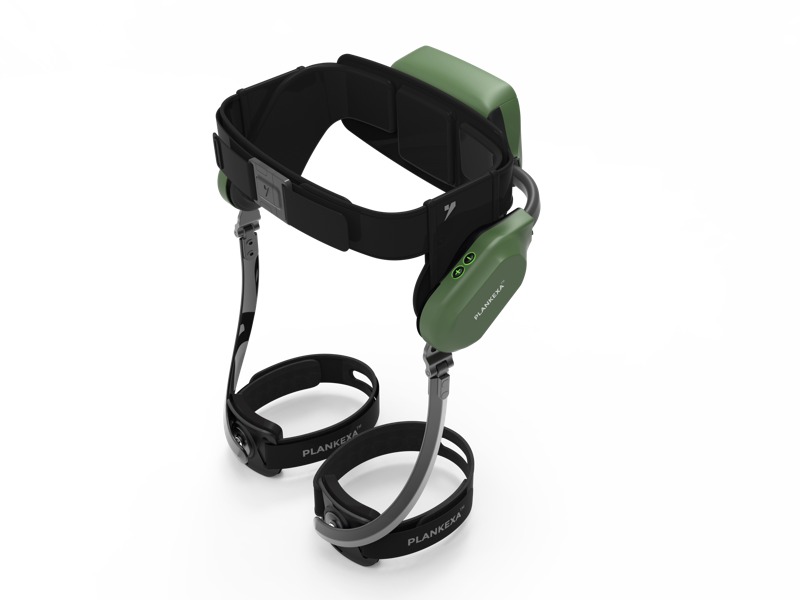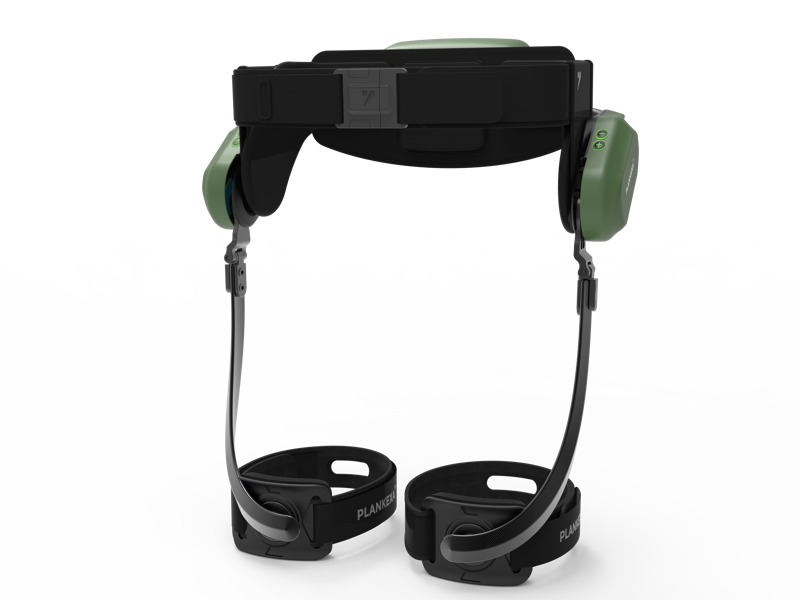
A smart wearable robot is an intelligent electromechanical device worn on the human body, integrating bionic machinery, high-precision sensing modules and embedded control systems. Represented by industrial and medical exoskeletons, it can assist human movement, reduce physical burden and realize intelligent motion auxiliary control. Most products adopt lightweight high-rigidity materials such as carbon fiber and aviation aluminum to minimize extra weight while ensuring structural safety. Built-in multiple sensors can real-time capture human posture, joint angle and movement intention, and quickly feed back signals to the control unit to drive servo joints for synchronous auxiliary force output. In industrial scenarios, it effectively shares the load during lifting, bending and long-hour standing, relieving muscle fatigue and reducing occupational injuries. In medical rehabilitation fields, it guides stroke, paraplegia and lower limb weakness patients to complete standardized gait training, records rehabilitation data and optimizes training plans intelligently. Equipped with anti-fall protection, emergency stop and overload locking functions, it guarantees safe wearable use. With the development of artificial intelligence technology, smart wearable robots are continuously optimized in portability and intelligence, becoming core equipment for labor protection and intelligent medical rehabilitation to improve work efficiency and help mobility-impaired people regain the ability to move independently.