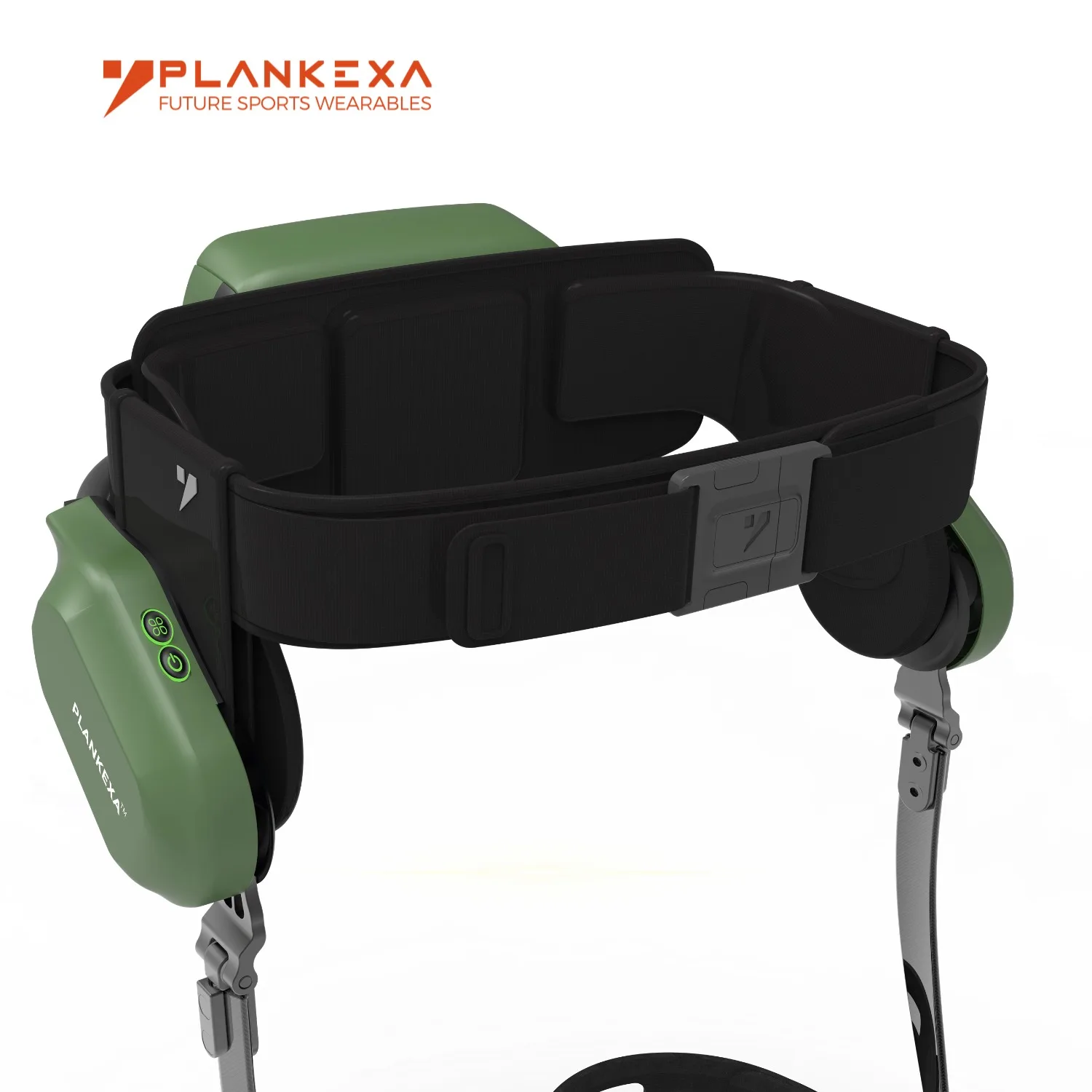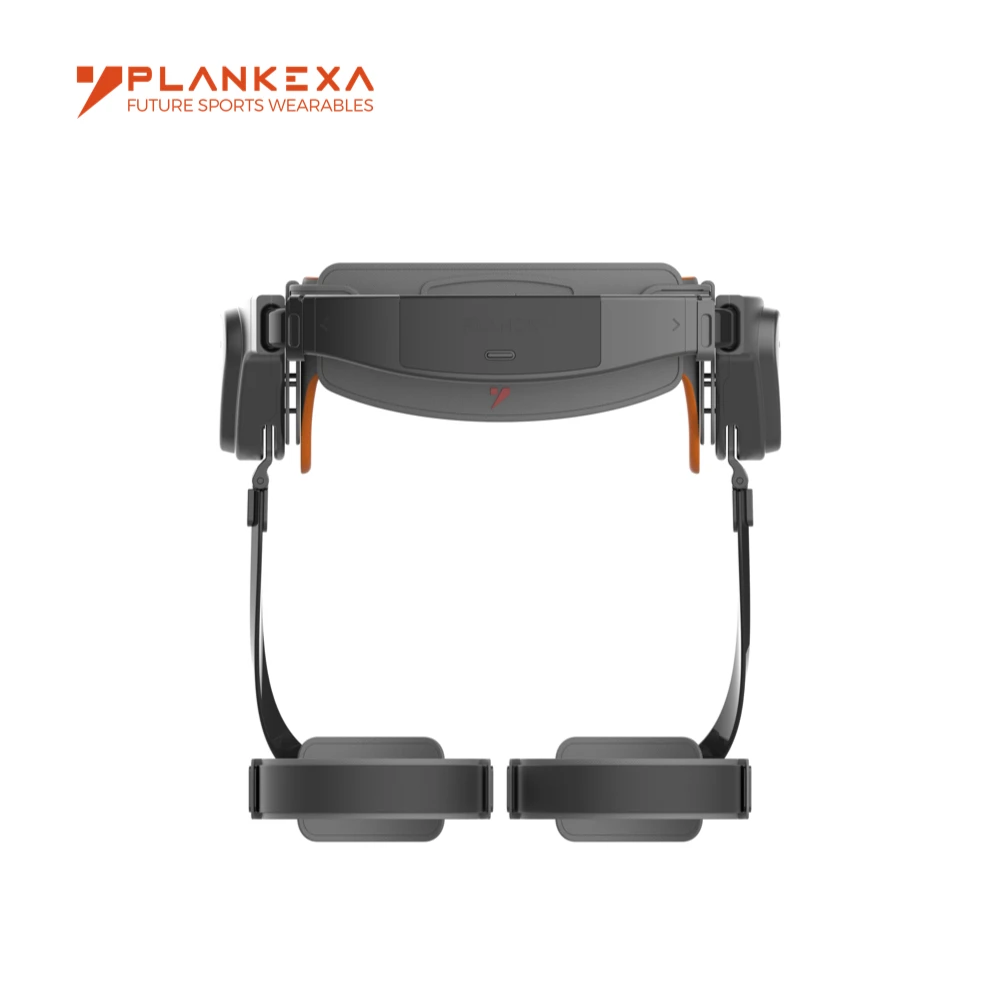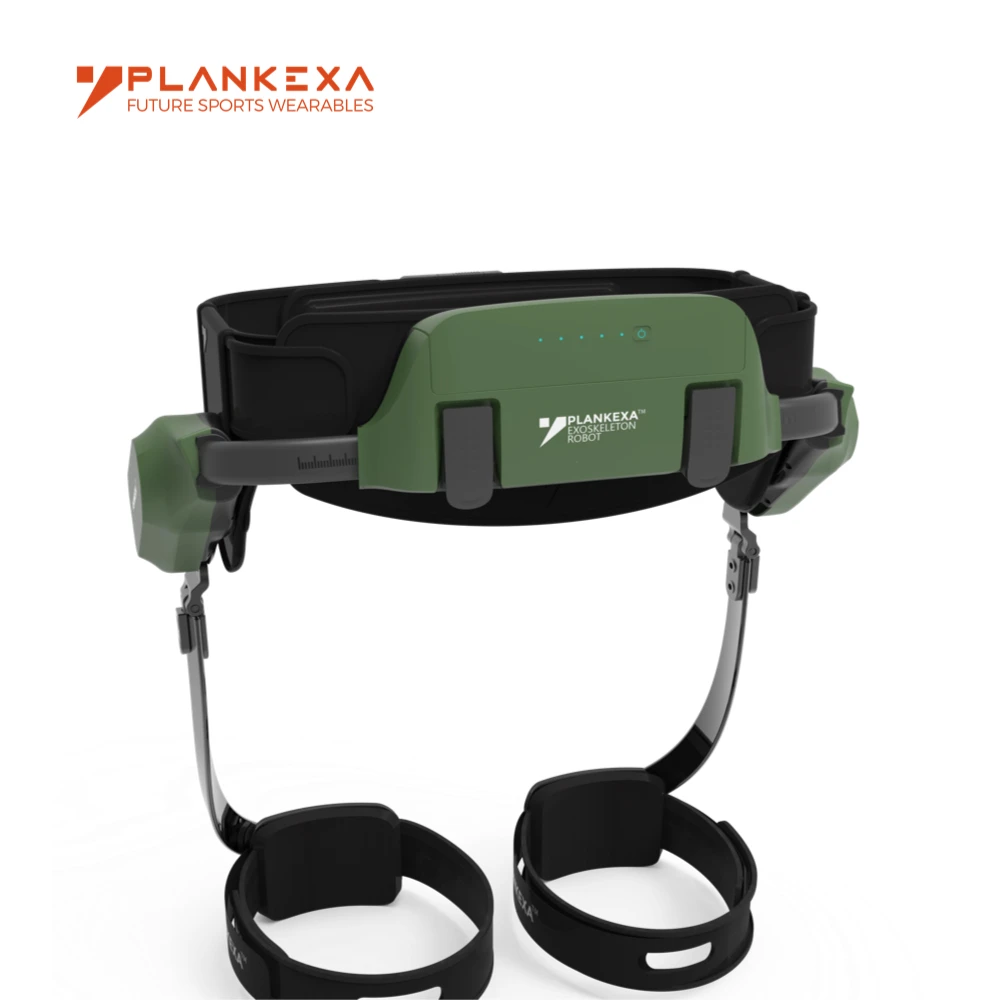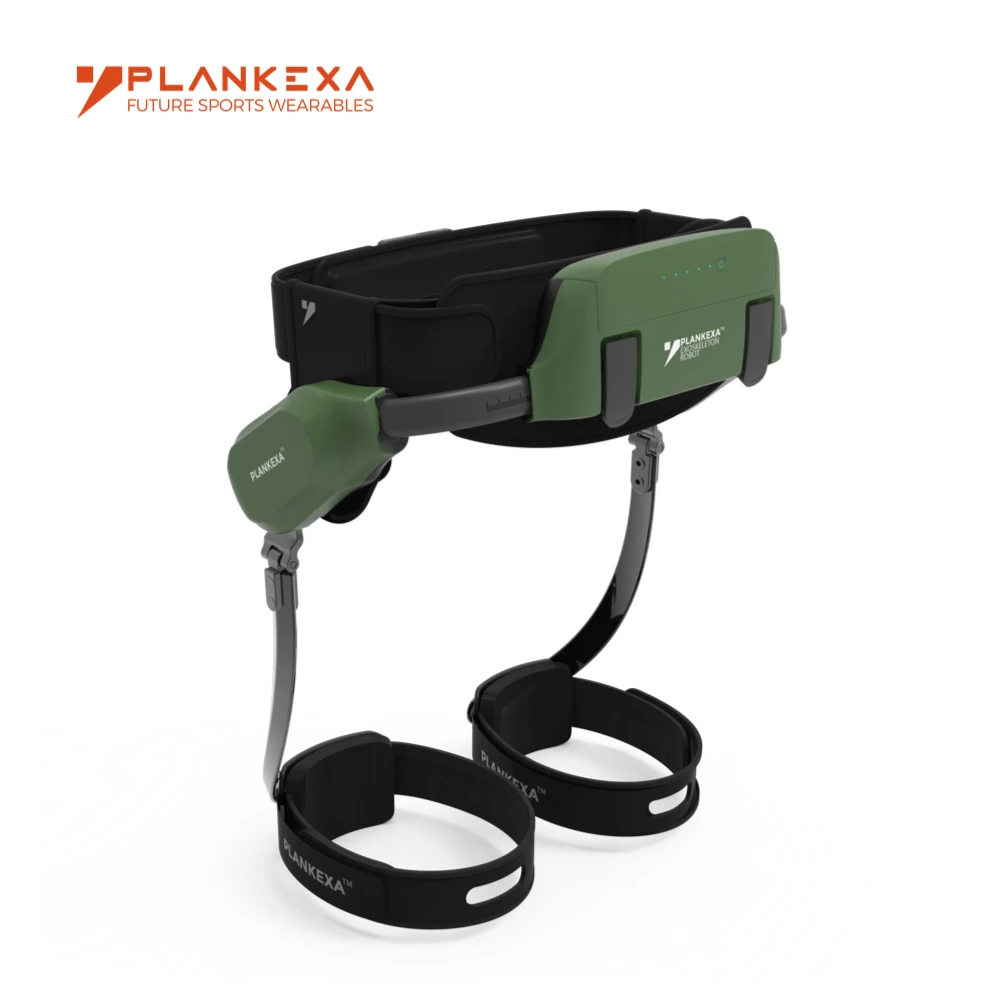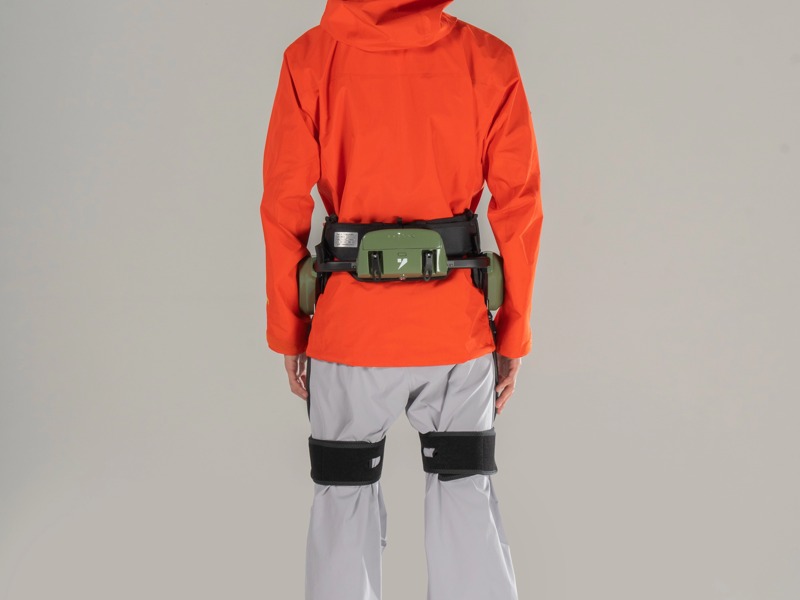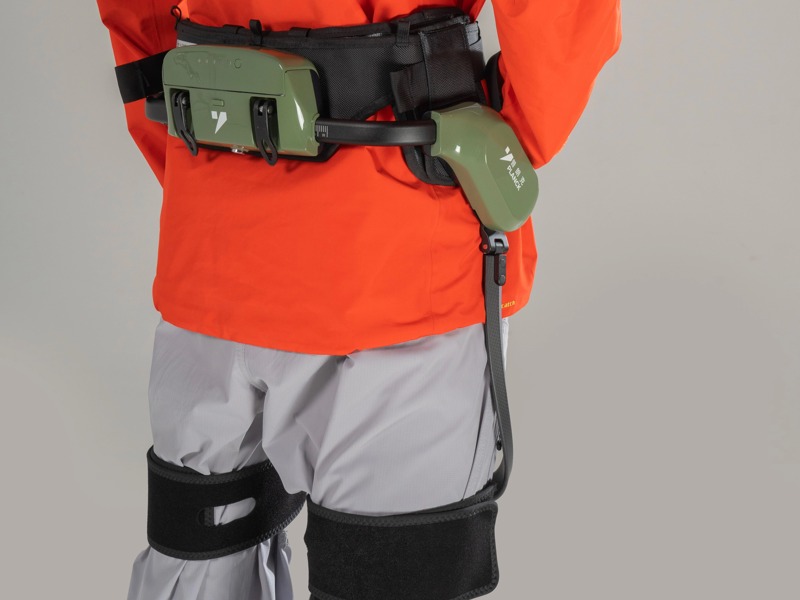
A robotic suit is an integrated wearable robotic system that combines bionic mechanical frameworks, intelligent sensing modules and automatic drive technology to enhance human physical capabilities or assist rehabilitation training. Different from simple passive auxiliary equipment, it can actively perceive the wearer’s motion intention through built-in high-precision sensors and output matched auxiliary power to coordinate limb movements accurately. Made of lightweight high-toughness materials, the modular structure supports multi-dimensional adjustment to fit users of various body shapes without restricting normal joint activity ranges. In industrial scenarios, the robotic suit shares heavy loads during lifting, bending and long-hour standing work to relieve muscle fatigue and prevent occupational injuries. In medical fields, it helps patients with limb dysfunctions conduct standardized gait training to improve mobility and avoid disuse atrophy. Equipped with mature safety designs including emergency stop, anti-fall balance protection and overload locking, it ensures stable and secure operation under continuous high-intensity conditions. Widely used in logistics, construction, emergency rescue and clinical rehabilitation, robotic suits break the limits of human physical strength, greatly improving work efficiency and helping vulnerable groups regain mobility and self-confidence.