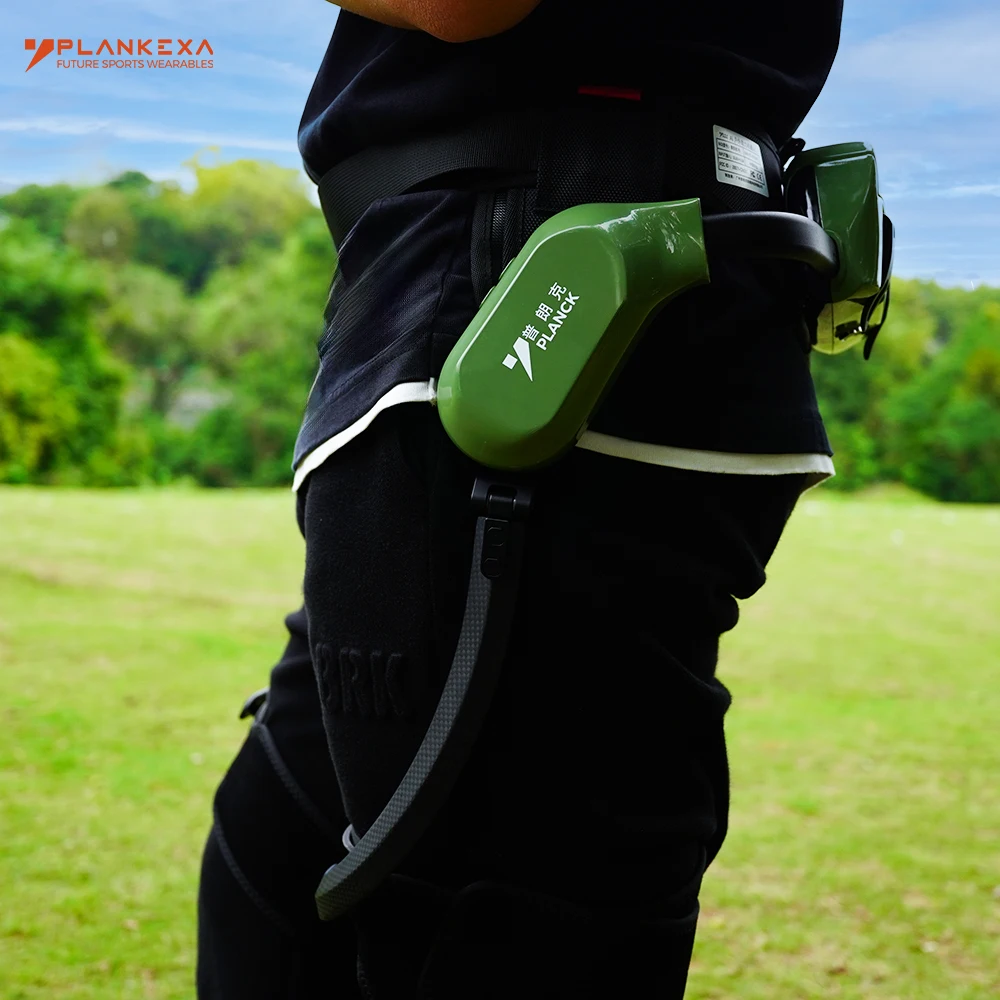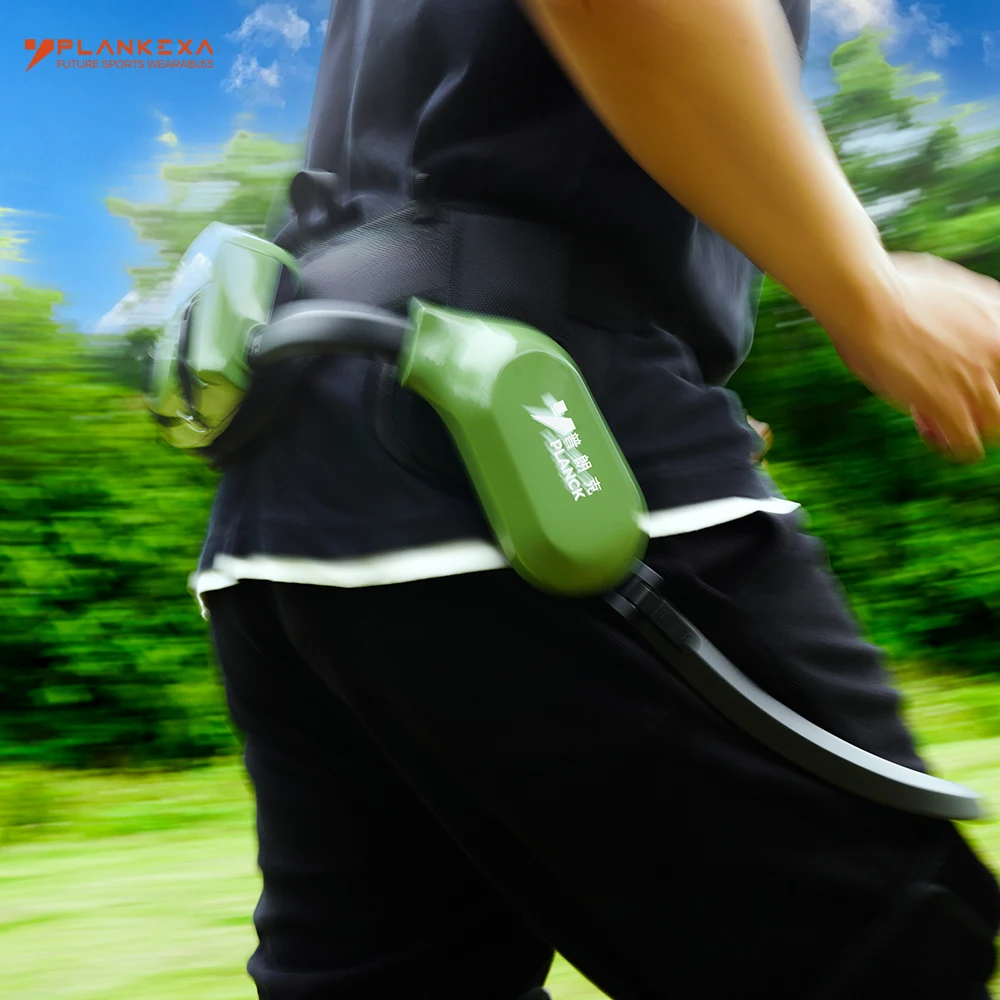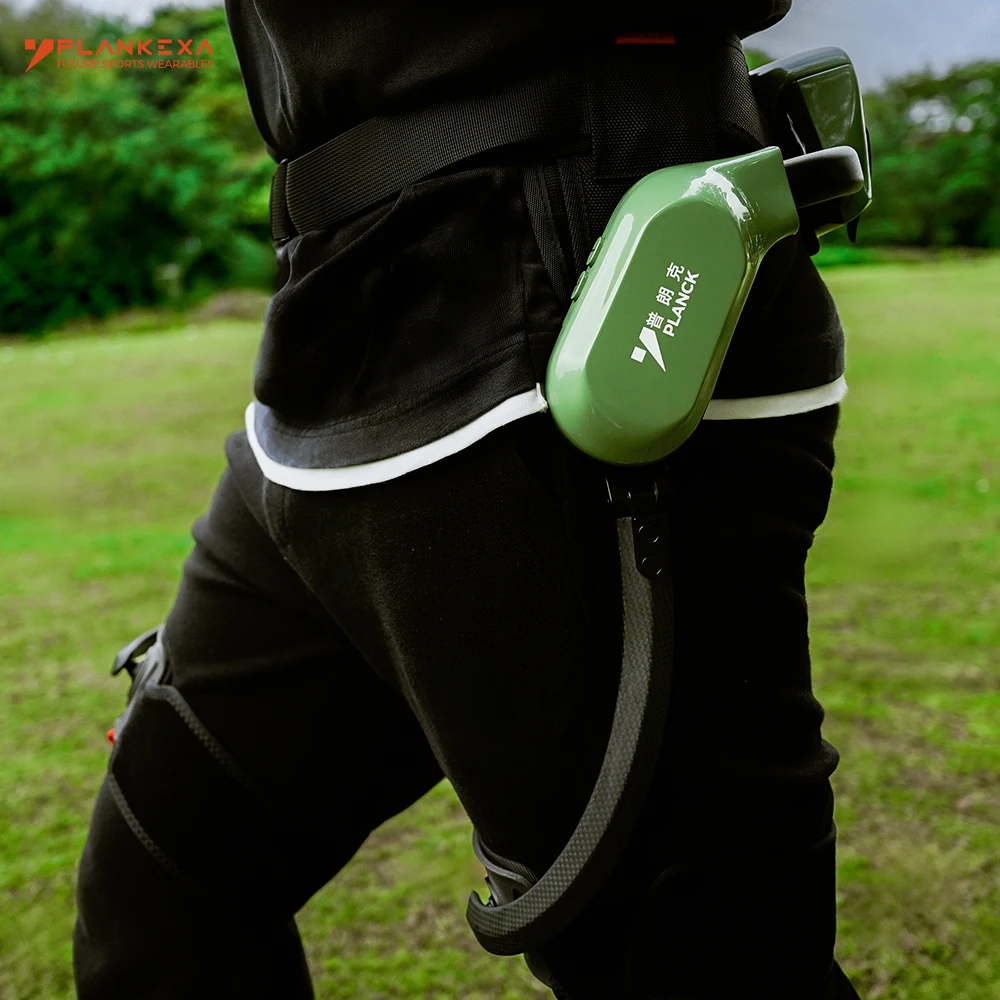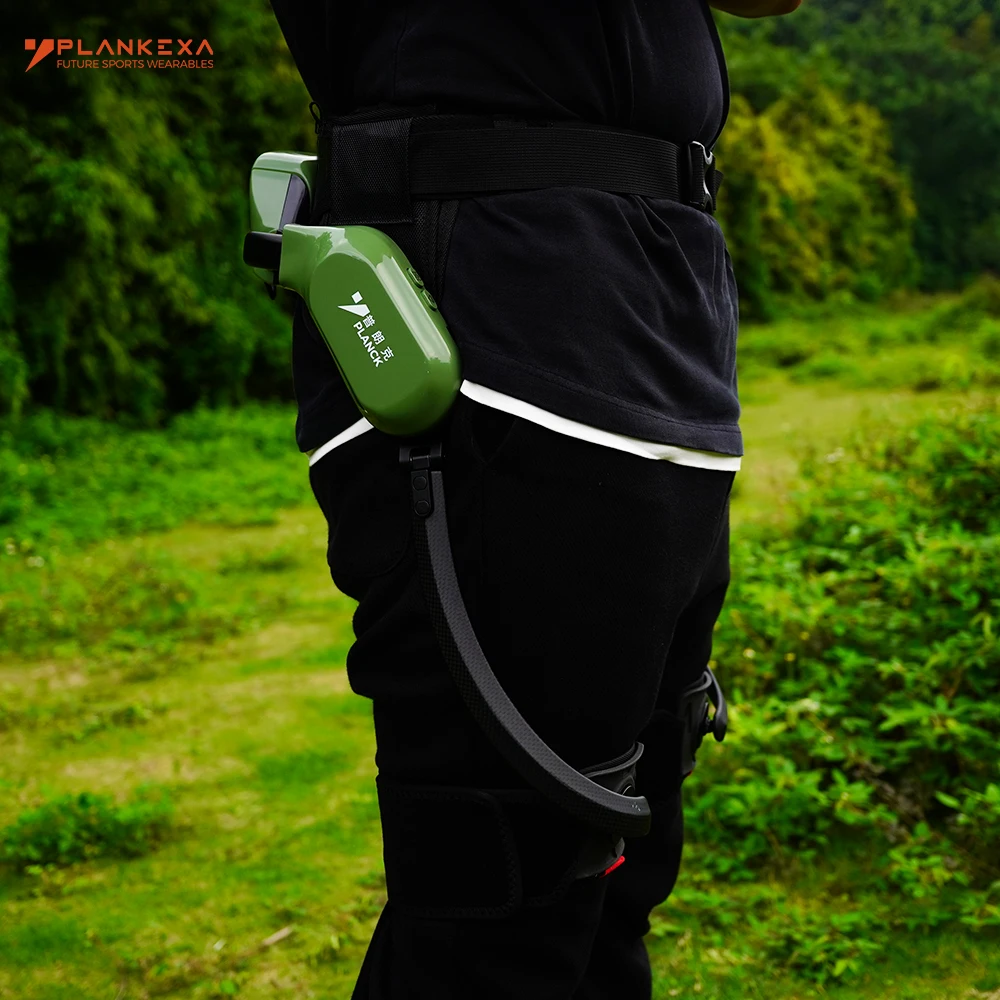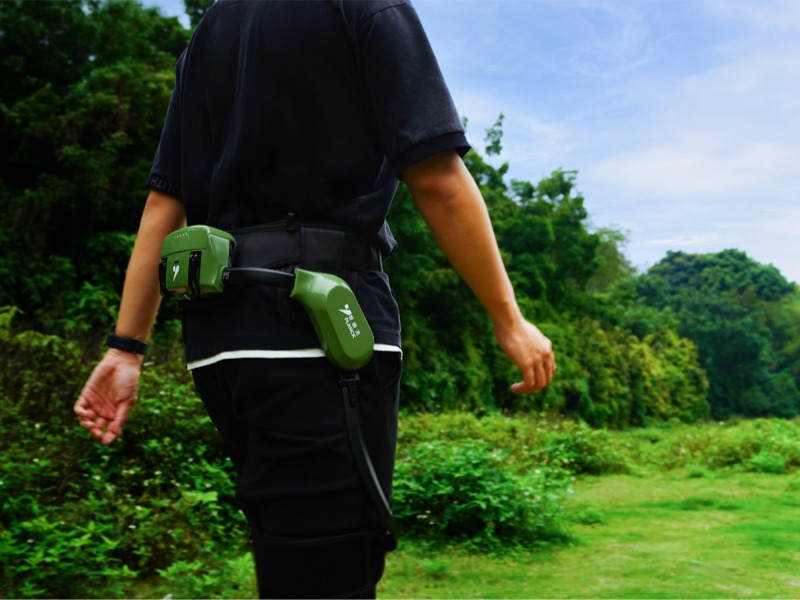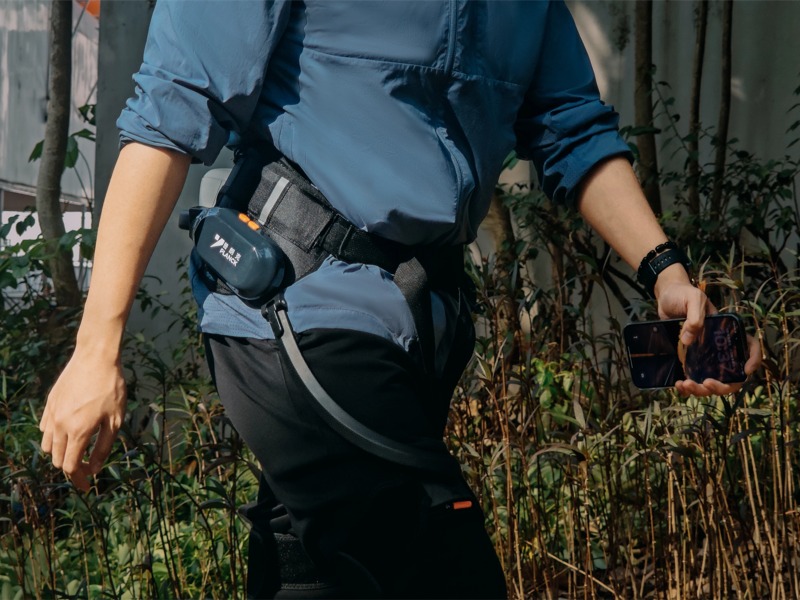
An outdoor sports exoskeleton is a lightweight wearable bionic device specially designed for hiking, mountain climbing, cross-country walking and long-distance outdoor activities. Adopting high-strength carbon fiber and wear-resistant flexible materials, it balances lightweight design and structural stability without restricting natural movements such as striding, bending and climbing steep slopes. This exoskeleton mainly delivers passive mechanical assistance to the waist, hips and knee joints. When users carry heavy backpacks, walk uphill or trek for long hours, it transfers most of the load from muscles to the mechanical frame, significantly relieving pressure on the lumbar spine and knees, delaying physical fatigue and greatly reducing the risk of sports strains and joint injuries. Built-in miniature sensors can record walking distance, stride frequency and joint stress data, helping users optimize outdoor travel plans and avoid overexertion. Most products support quick adjustment of binding size and folding storage for easy carrying and wearing. Equipped with anti-slip fixing structures and overload protection mechanisms, it adapts to rugged mountain roads, forest trails and gravel roads. Popular among outdoor enthusiasts, field rescuers and long-distance walkers, the outdoor sports exoskeleton effectively improves endurance, protects key joints and allows users to complete outdoor missions safely and efficiently.