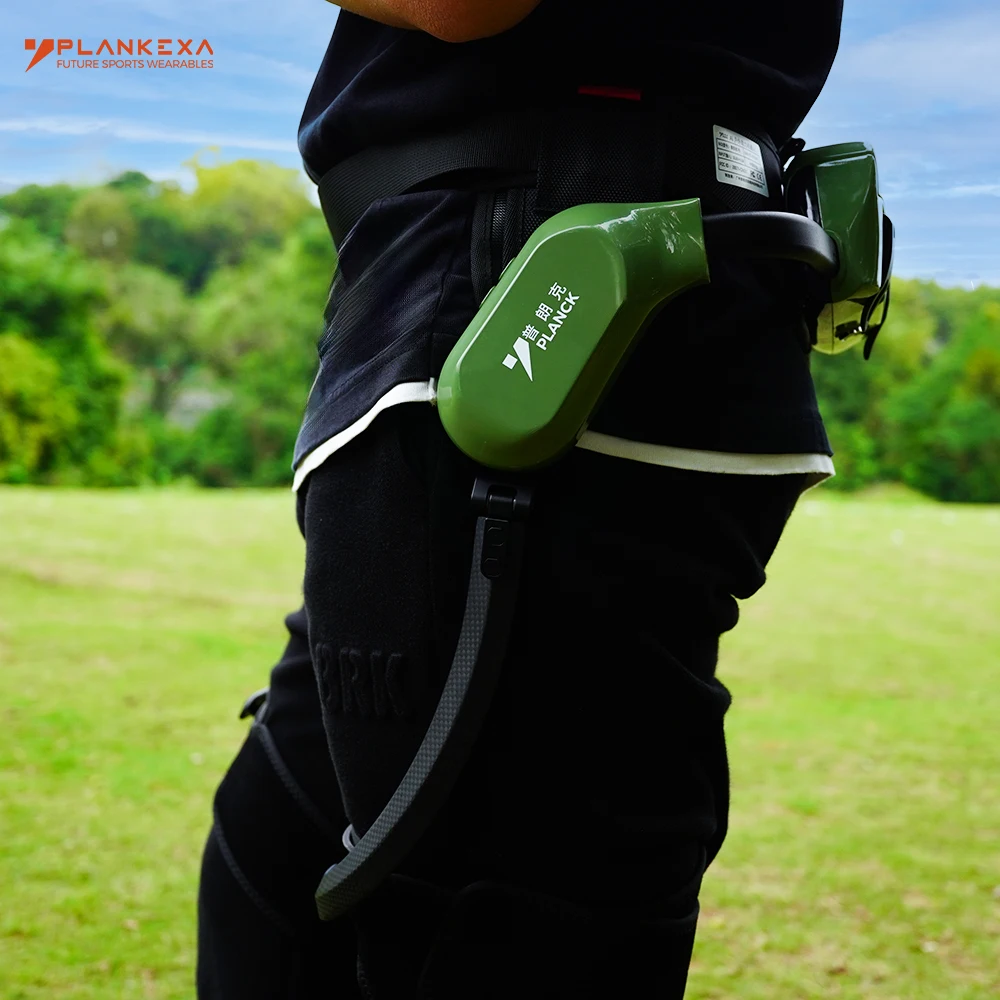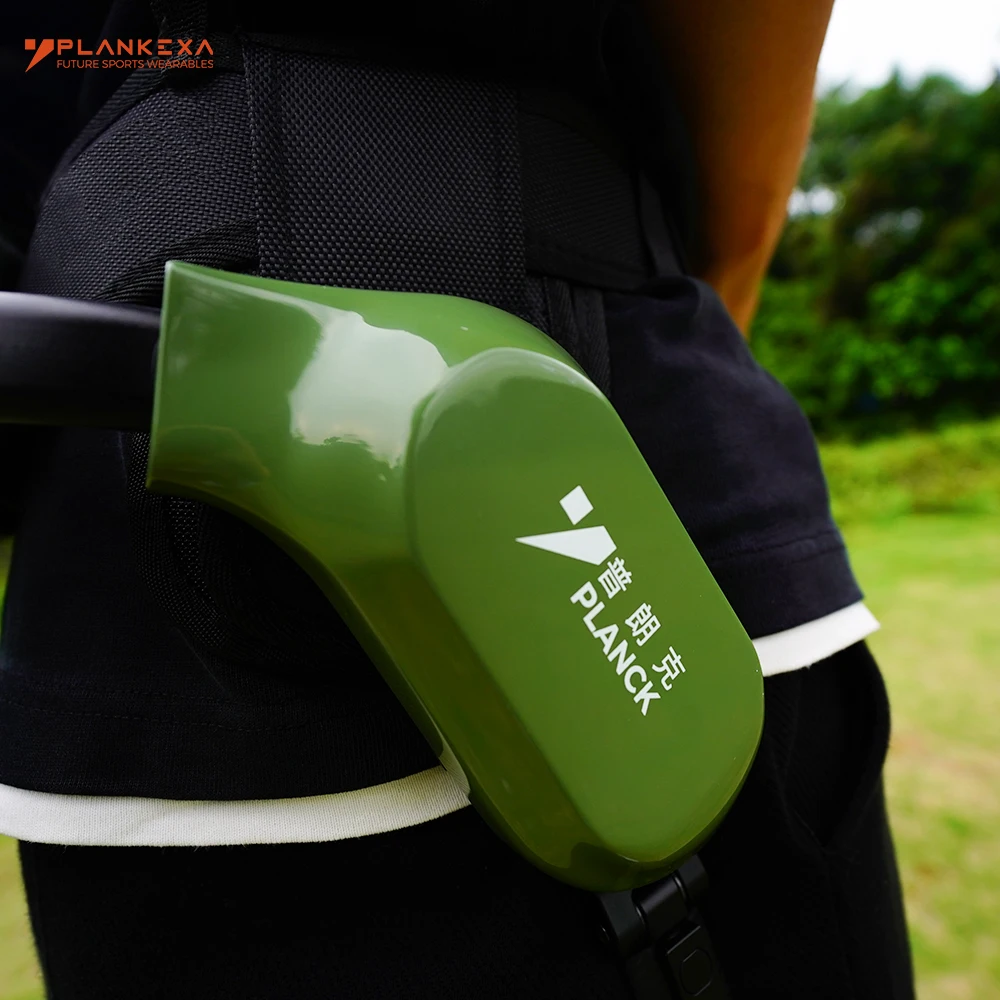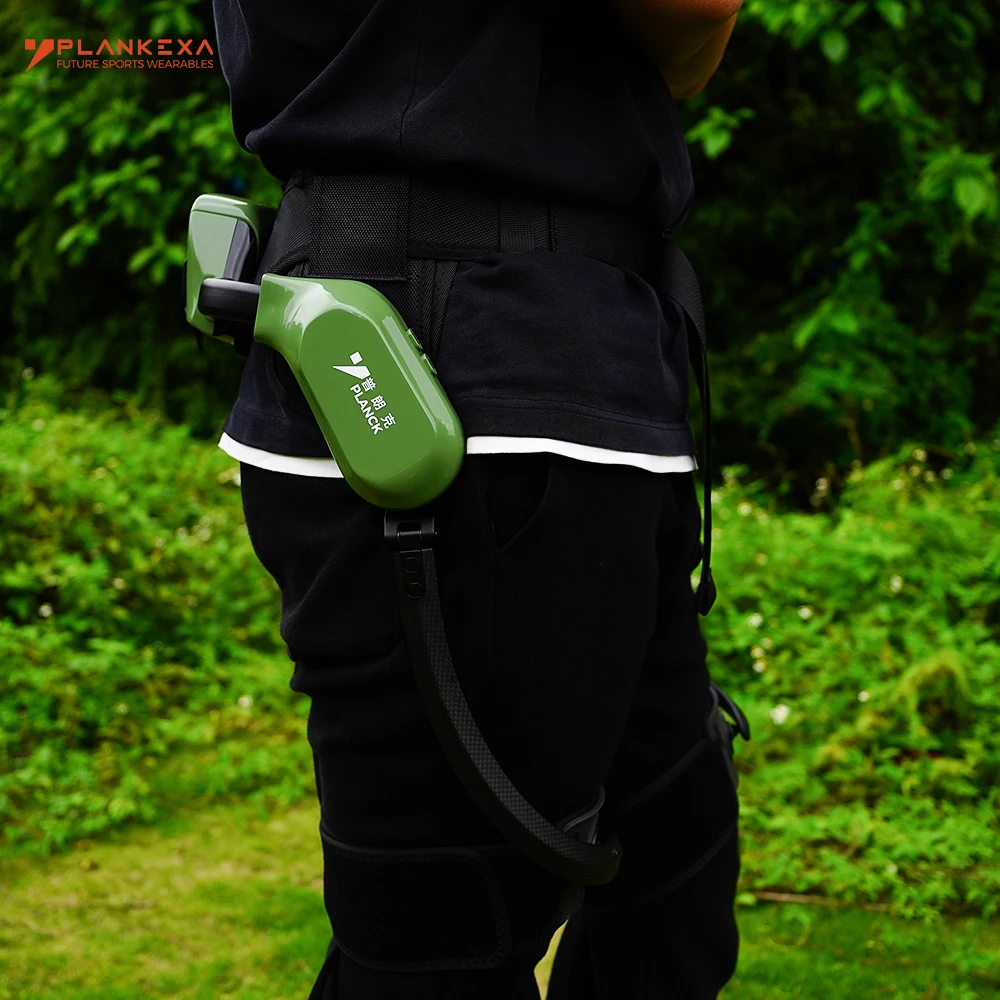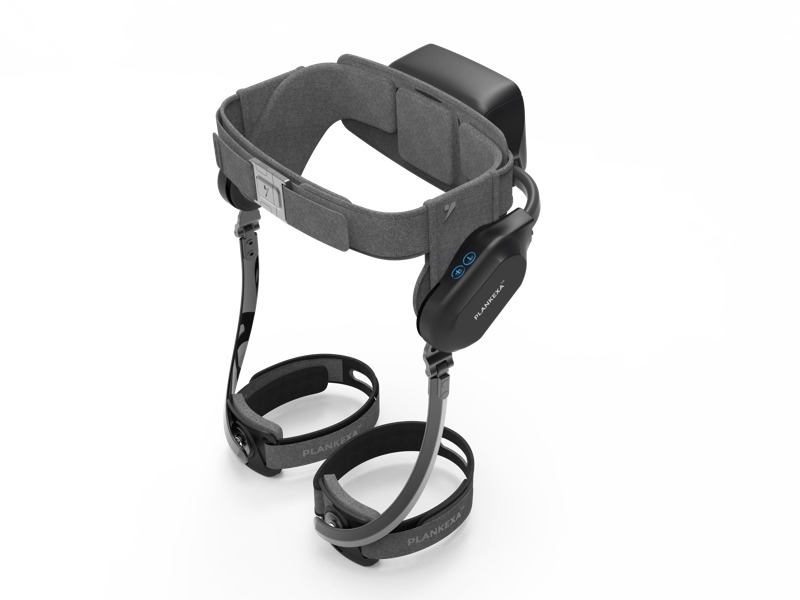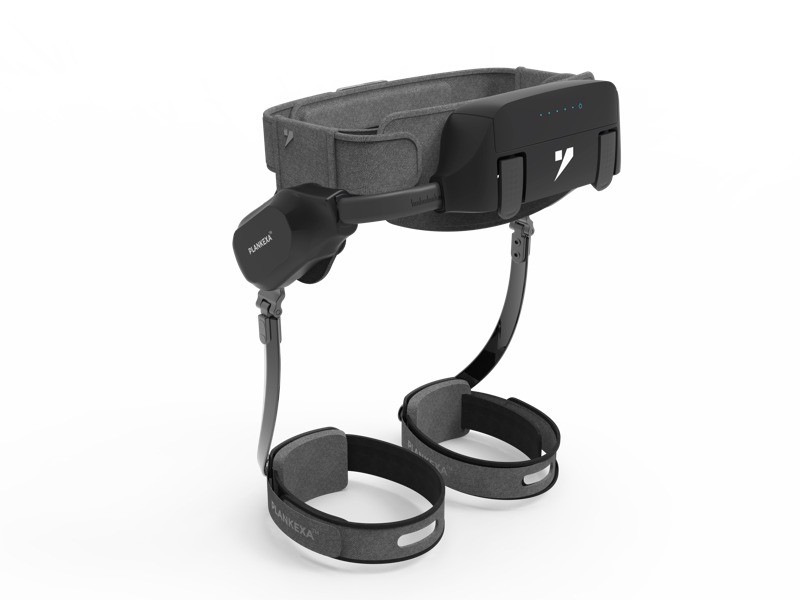
The next generation wearable robot upgrades traditional exoskeleton equipment in lightweight design, intelligent sensing and human-machine interaction. Adopting carbon fiber composite materials and flexible bionic structures, it greatly reduces overall weight while maintaining high structural rigidity, enabling users to move more freely without bulky constraints. Built-in multi-dimensional inertial sensors, EMG signal collectors and AI algorithm chips can predict human movement intentions in advance, realizing seamless coordinated force output between the robot and human body. Different from conventional single-scene devices, this new generation product supports adaptive switching among industrial load assistance, medical gait rehabilitation and outdoor sports protection. It can automatically adjust auxiliary torque according to real-time posture and load changes, and record exercise and rehabilitation data synchronously to generate personalized analysis reports. Equipped with wireless charging, foldable storage and intelligent safety early warning systems, it effectively avoids overload damage and accidental falls. Optimized in wearing comfort and environmental adaptability, next generation wearable robots break the limitations of traditional equipment, widely applied in factory operation, medical rehabilitation, field rescue and outdoor hiking, which significantly improves work efficiency and rehabilitation effects, bringing more convenient and secure auxiliary experience to users.