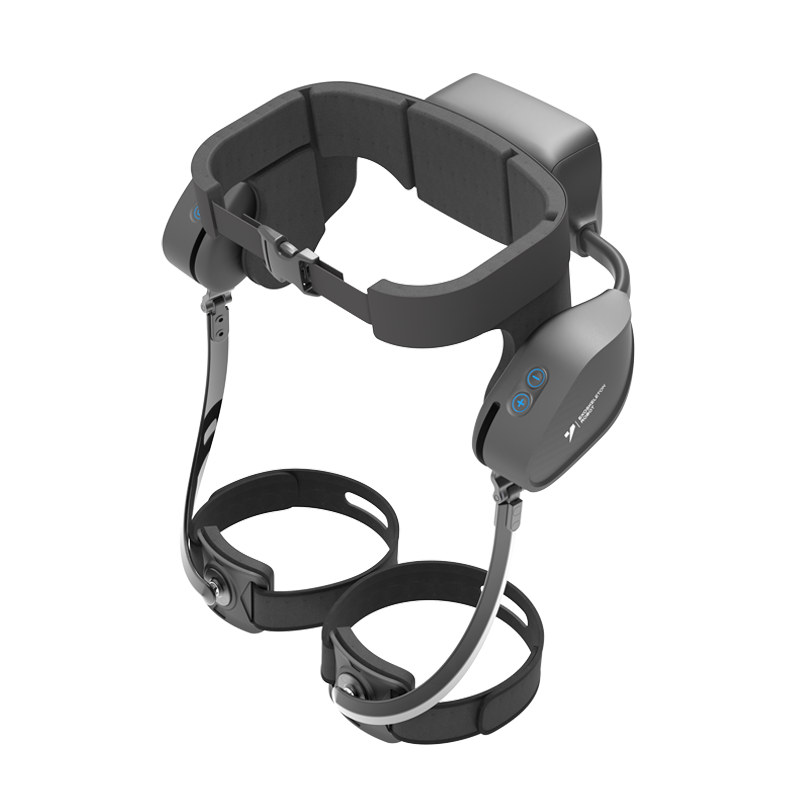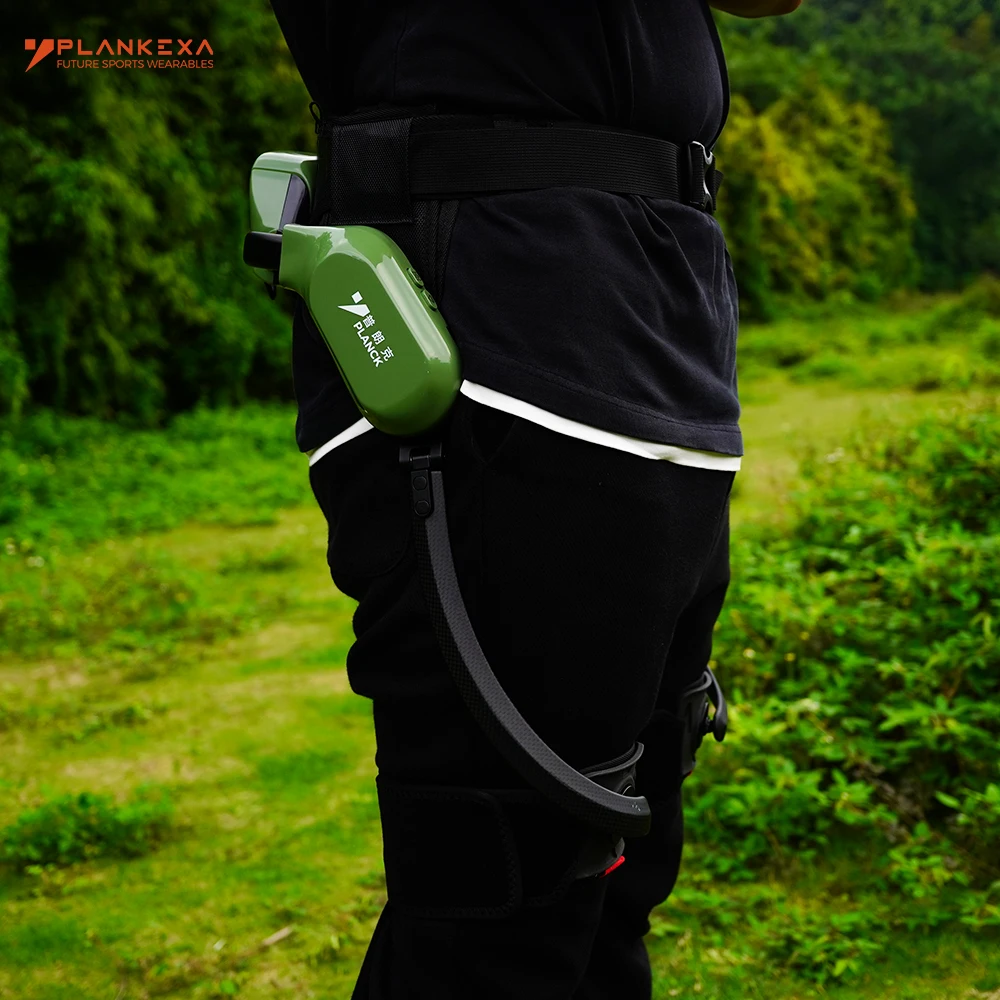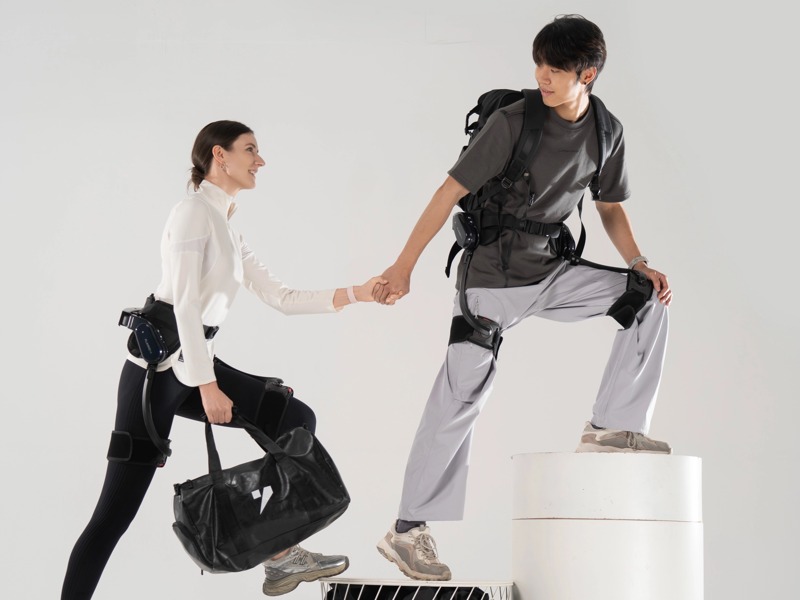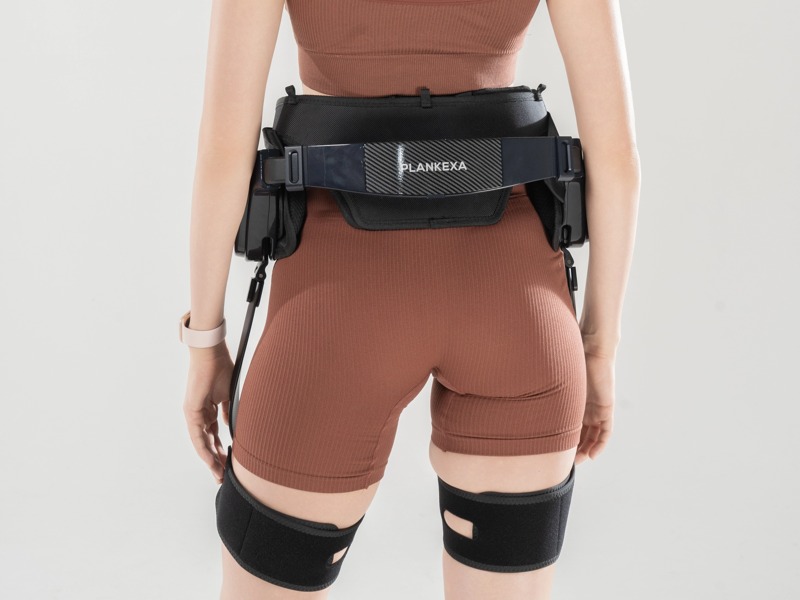
A human exoskeleton is a wearable bionic mechanical system attached to the outside of the human body, developed to augment physical capacity, relieve labor strain and assist clinical rehabilitation. Classified into passive and powered types, it covers industrial, medical, rescue and military application fields. Built with lightweight high-rigidity carbon fiber and aviation aluminum materials, this equipment features adjustable hip, knee and shoulder structures to fit various body shapes while allowing natural bending, walking and squatting movements. Passive human exoskeletons utilize elastic components and mechanical leverage to disperse loads on the waist and joints during heavy lifting and long-hour standing, effectively preventing lumbar strain and joint injuries for factory, logistics and construction workers. Powered human exoskeletons are integrated with servo motors, high-precision sensors and intelligent control units. They identify motion intentions in real time to support patients with paraplegia, stroke hemiplegia and lower limb dysfunctions in completing standing and gait training, avoiding complications such as muscle atrophy and osteoporosis caused by long-term wheelchair dependence. Equipped with anti-fall protection, emergency stop and overload locking mechanisms, human exoskeletons ensure safe use in high-intensity work and rehabilitation scenarios. With continuous technological innovation, human exoskeletons have become vital smart devices that protect occupational health and help people with mobility impairments regain independence and confidence in daily life.