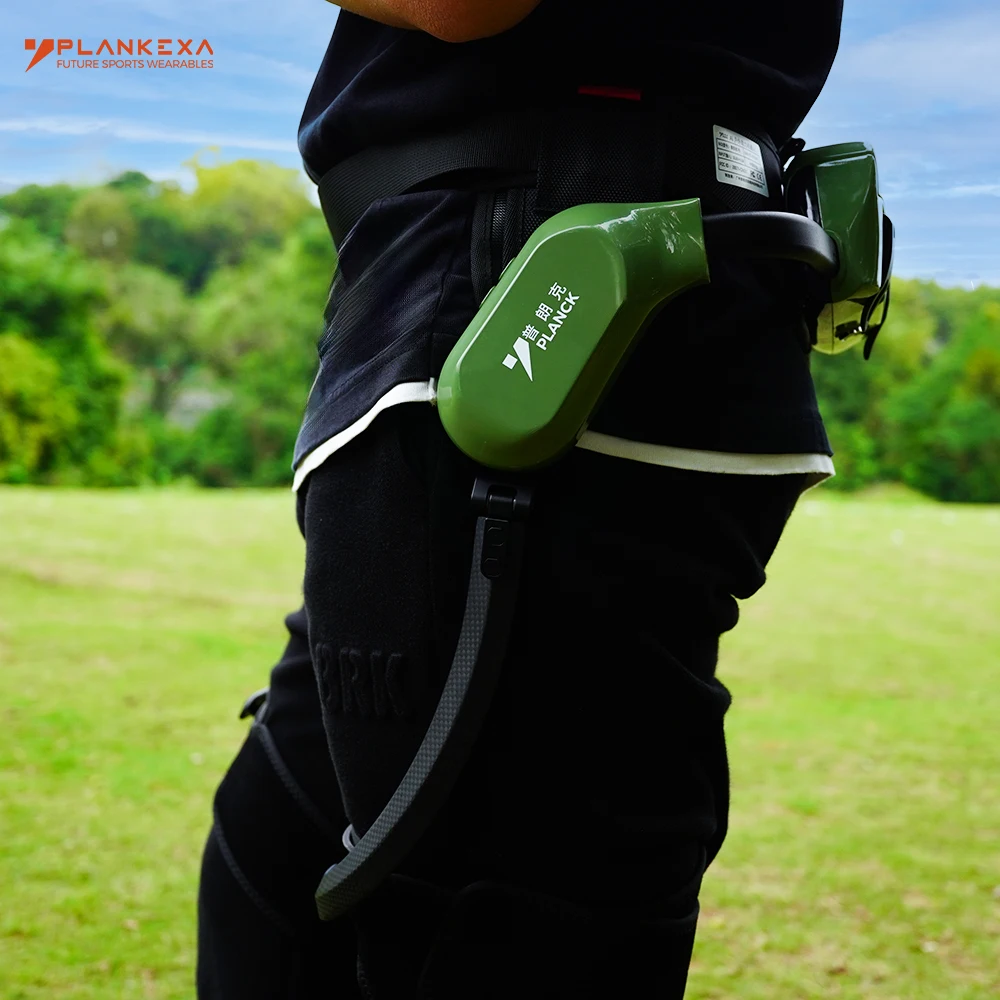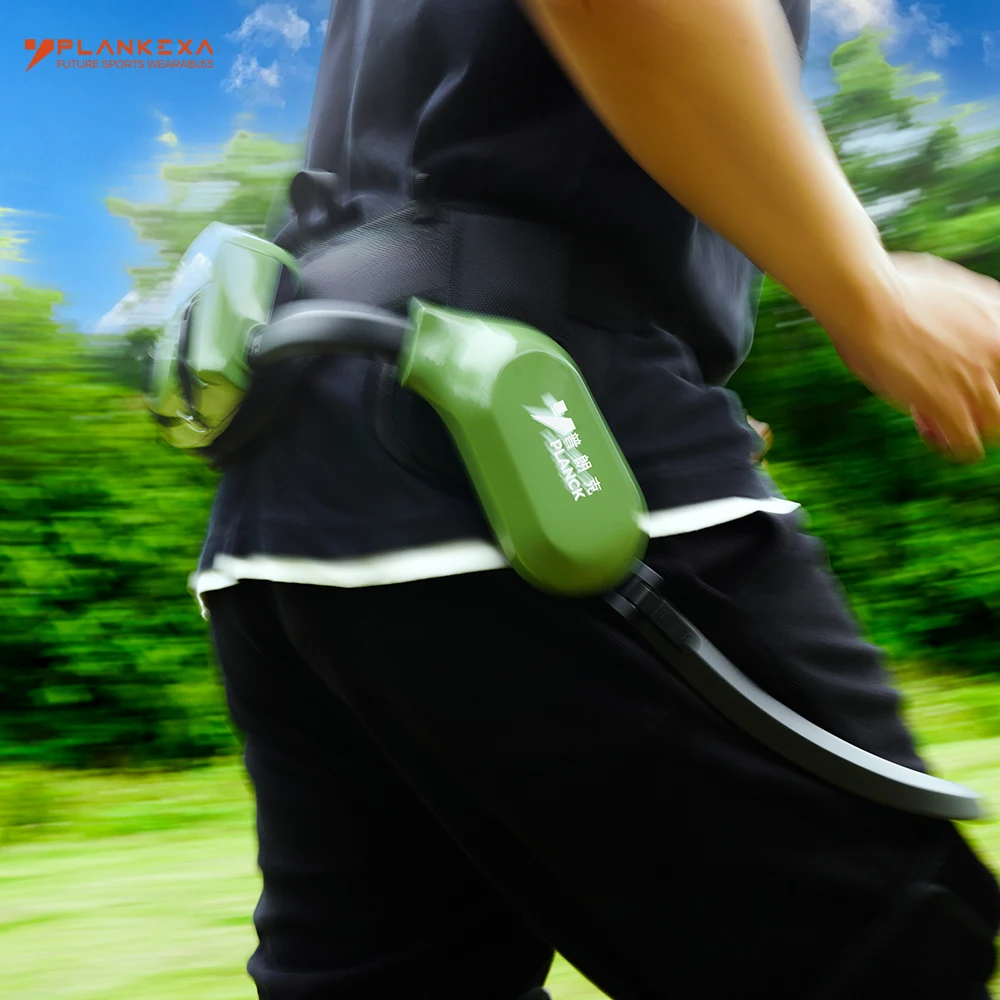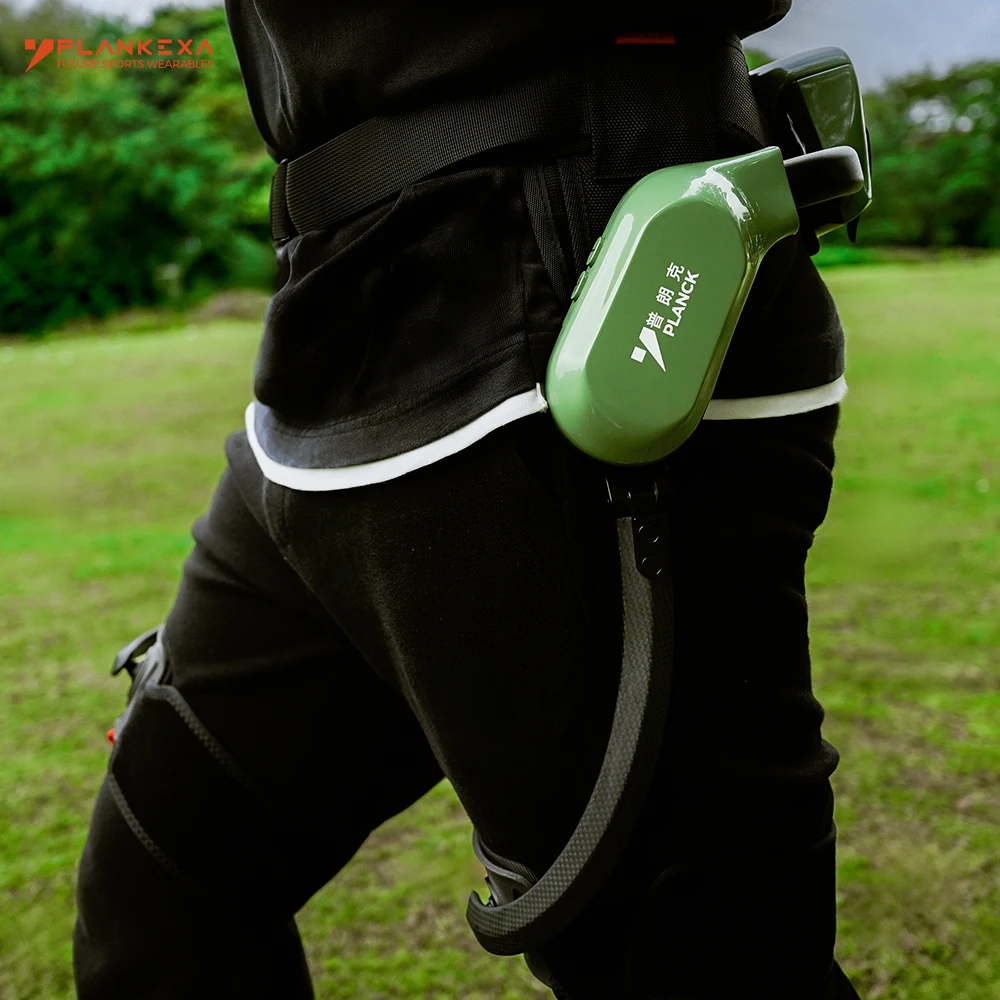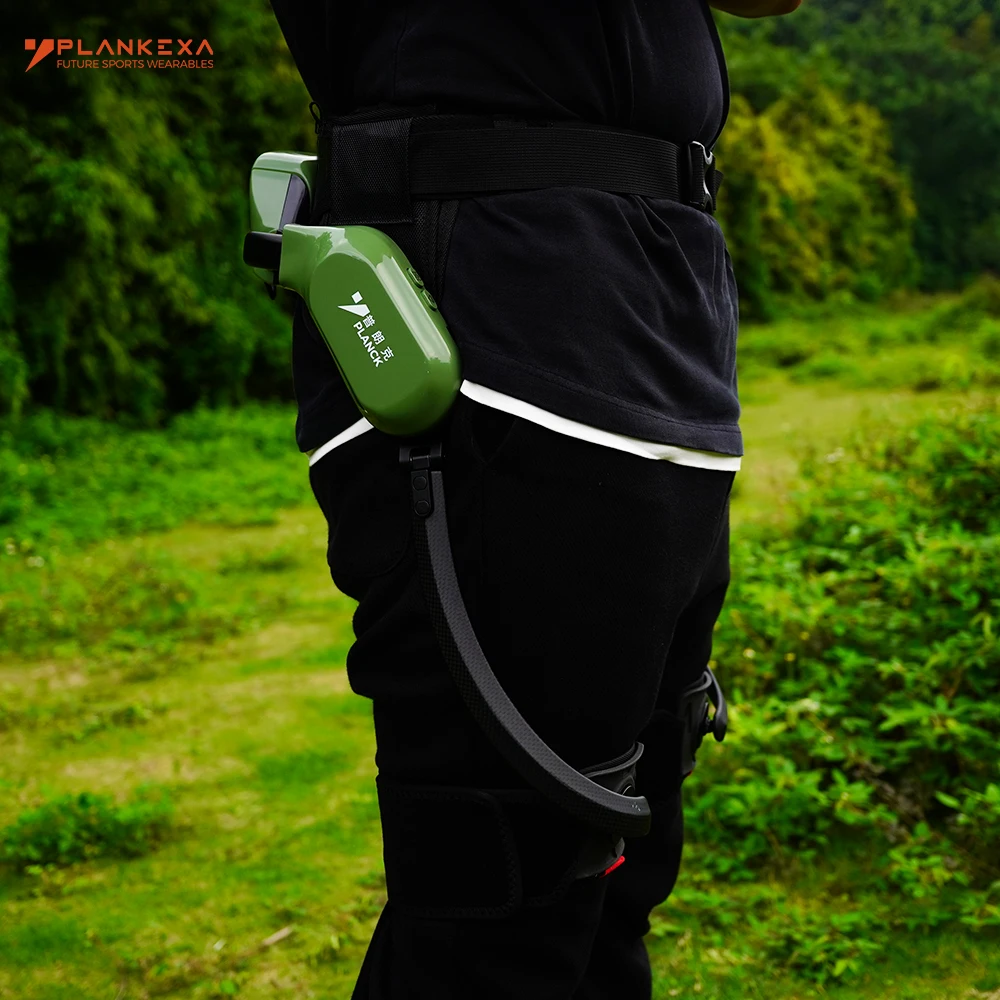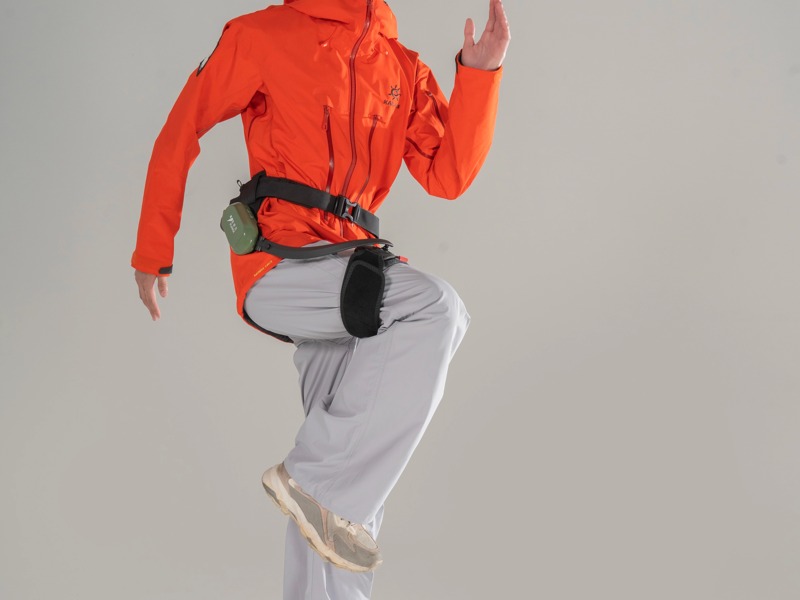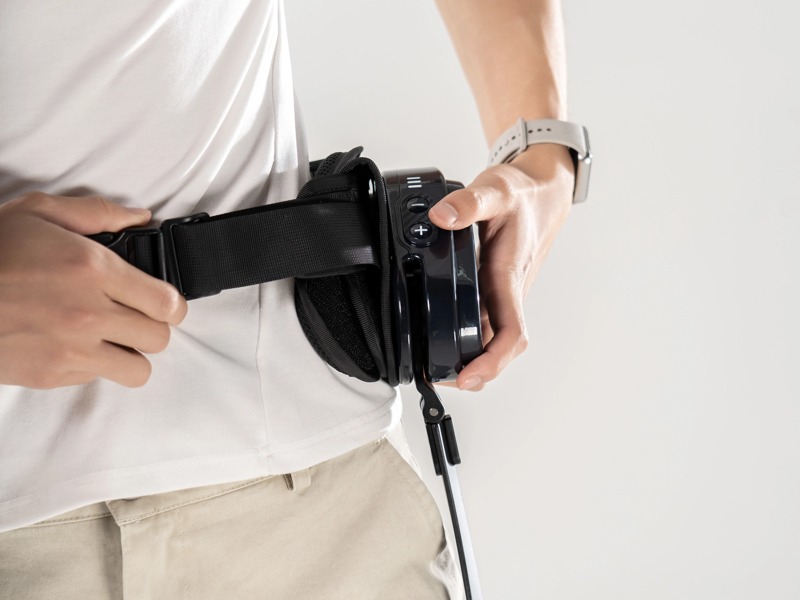
A fitness assistance robot is an intelligent wearable or fixed training device designed to standardize exercise movements, reduce physical strain and improve training efficiency for gym users, fitness enthusiasts and amateur athletes. Most wearable models adopt lightweight carbon fiber and breathable flexible materials, providing targeted auxiliary support for the waist, knees and shoulders without limiting stretching, squatting, weightlifting and other fitness actions. Built-in high-precision motion sensors track real-time joint angles, muscle load and body posture, instantly identifying irregular movements and sending voice reminders to correct wrong postures that easily cause lumbar sprains, knee injuries and shoulder strains. During strength training and high-intensity aerobic exercise, the robot outputs appropriate auxiliary torque to ease muscle fatigue, allowing users to maintain standard movements longer and achieve better training effects. It automatically records workout duration, training intensity and calorie consumption, generating personalized fitness plans based on physical conditions and exercise goals. Equipped with overload limitation, emergency stop and angle locking safety functions, it effectively prevents accidental injuries caused by overtraining. Widely used in commercial gyms, home fitness spaces and fitness training institutions, fitness assistance robots make scientific and safe training accessible to more people while lowering the risk of fitness-related injuries.