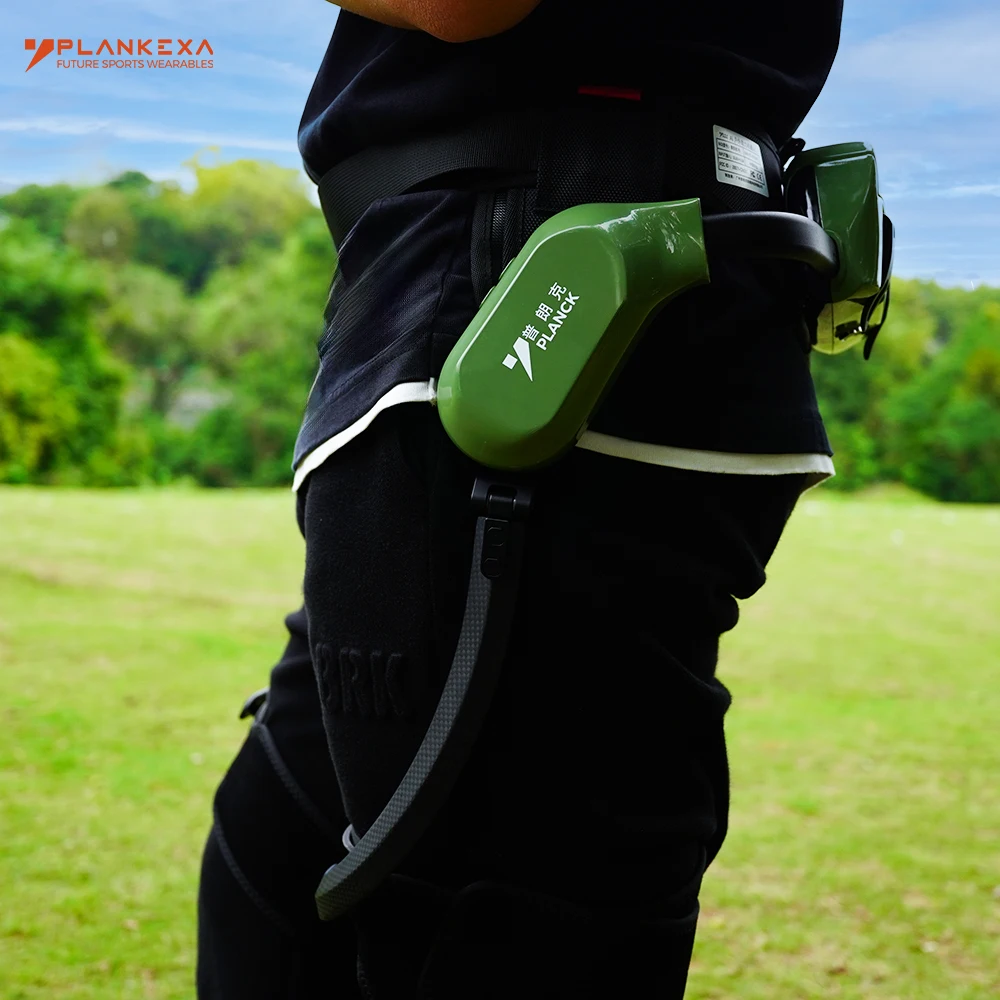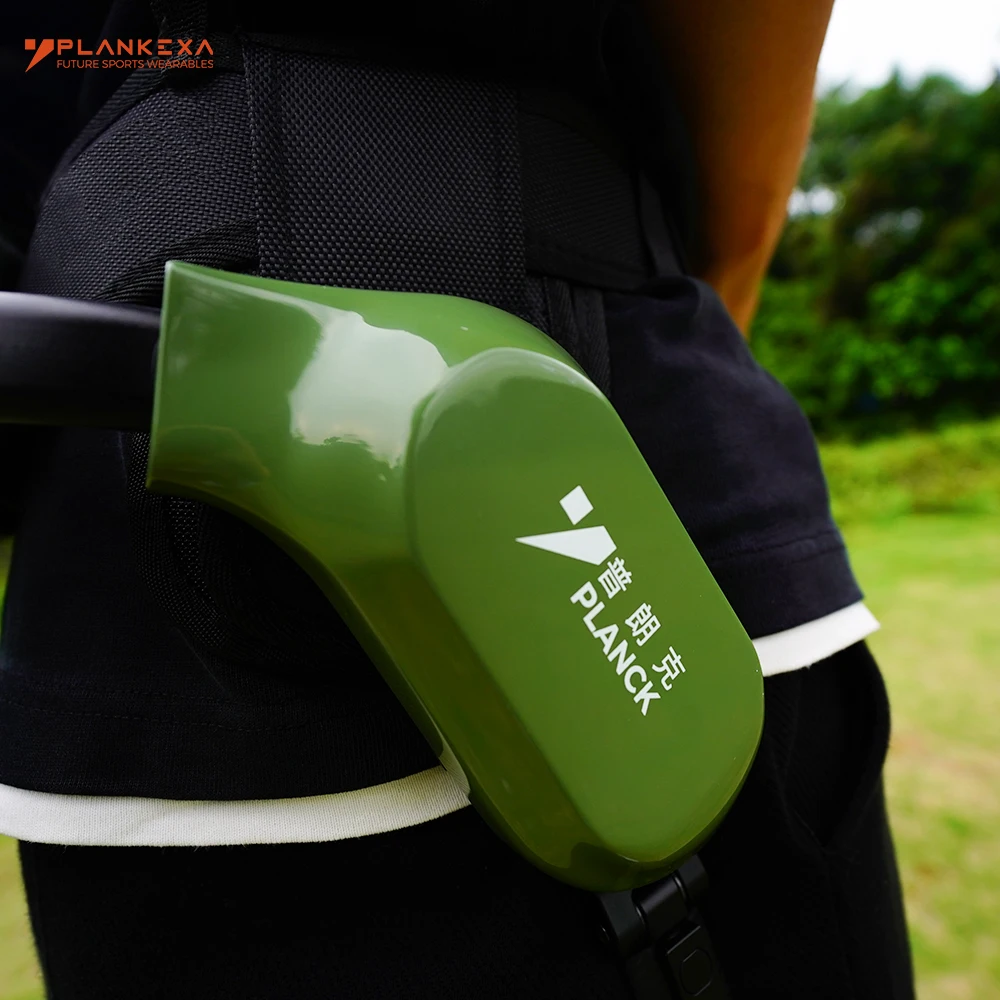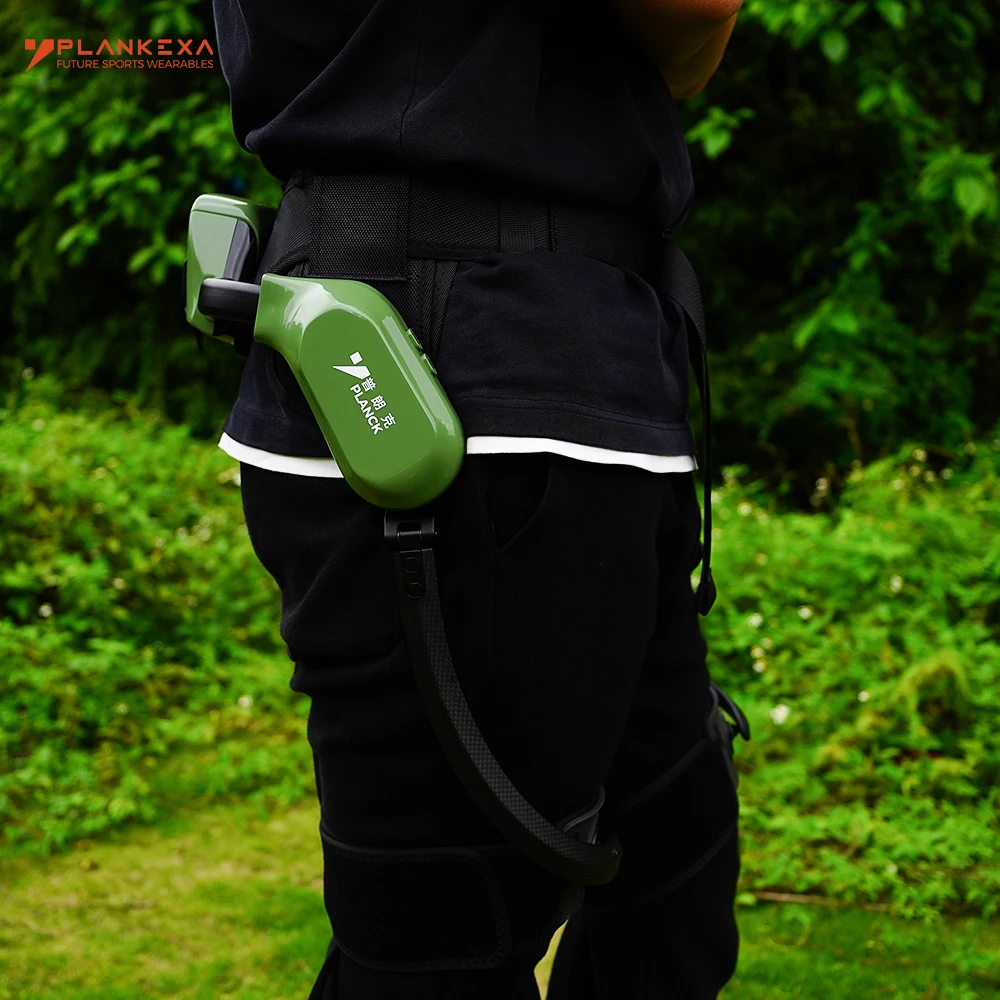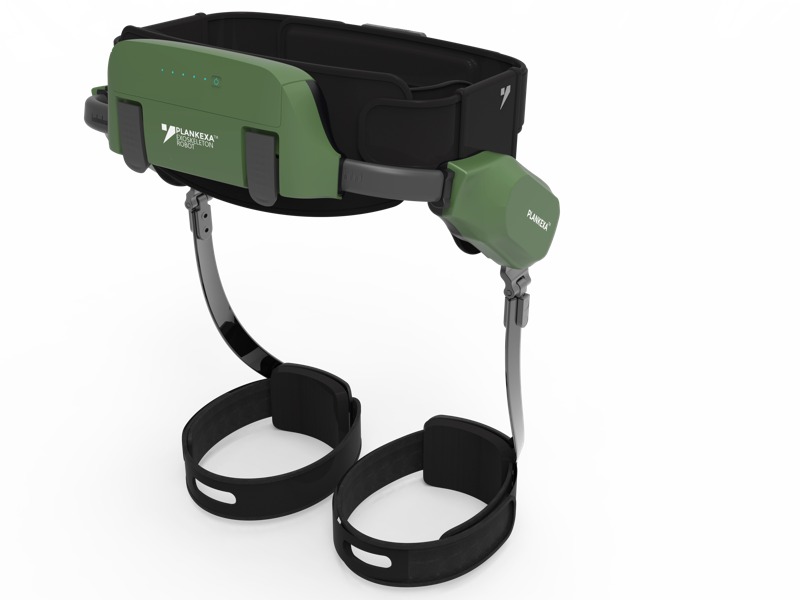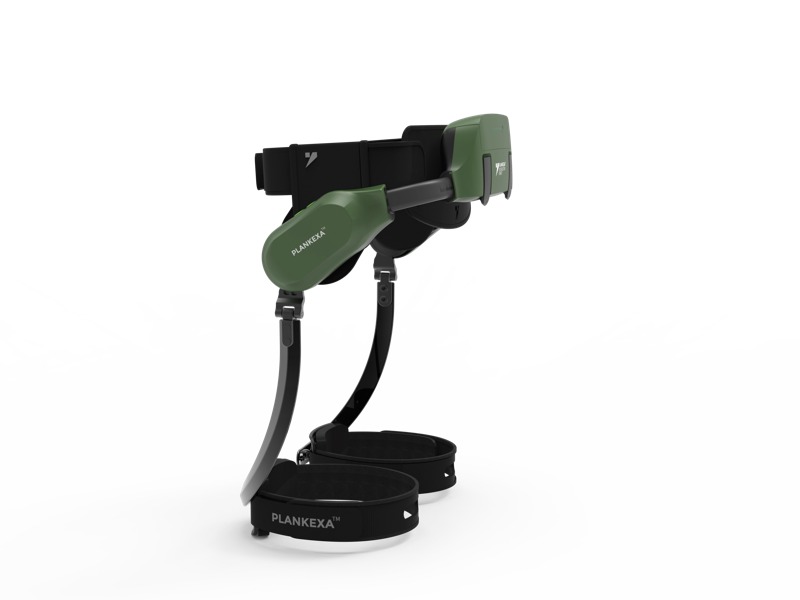
An AI exoskeleton robot is an upgraded wearable bionic device integrating artificial intelligence, high-precision sensors and servo drive technology, which optimizes the human-machine coordination of traditional exoskeleton equipment. Built with lightweight carbon fiber and aviation aluminum alloy materials, it effectively reduces the overall load while guaranteeing structural stability. By collecting real-time data such as myoelectric signals, joint angles and body posture, the embedded AI chip can accurately predict the wearer’s movement intention in advance and output adaptive auxiliary torque synchronously, realizing seamless human-robot collaborative movement. In industrial scenarios, it relieves waist and joint pressure during heavy carrying and long-hour work to lower the incidence of occupational injuries. In medical rehabilitation fields, it guides patients with hemiplegia, paraplegia and lower limb dysfunction to conduct standardized gait training, automatically adjust training parameters according to recovery data, and generate professional rehabilitation analysis reports. Equipped with anti-fall early warning, emergency stop and overload protection systems, it effectively avoids accidental injuries. With intelligent algorithm iteration, AI exoskeleton robots have achieved multi-scene adaptive application, greatly improving working efficiency and rehabilitation accuracy, helping users regain mobility and independent living ability.