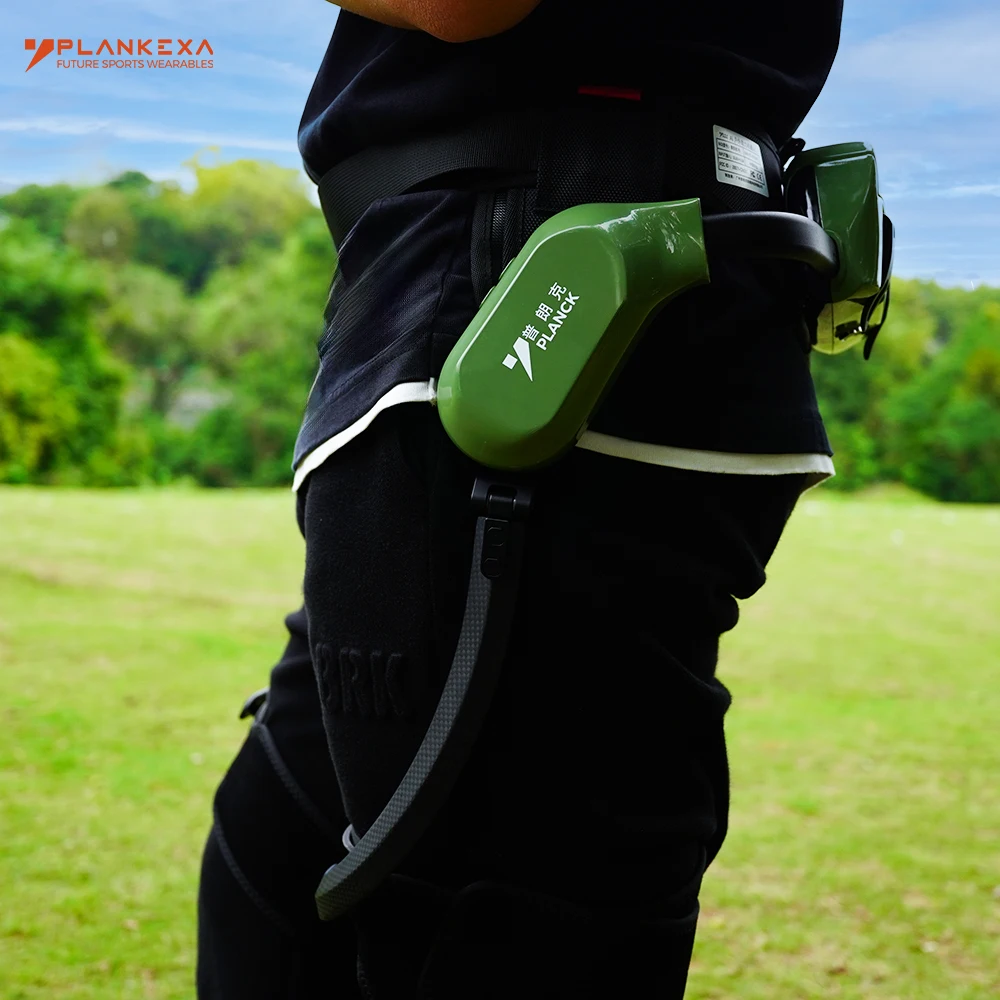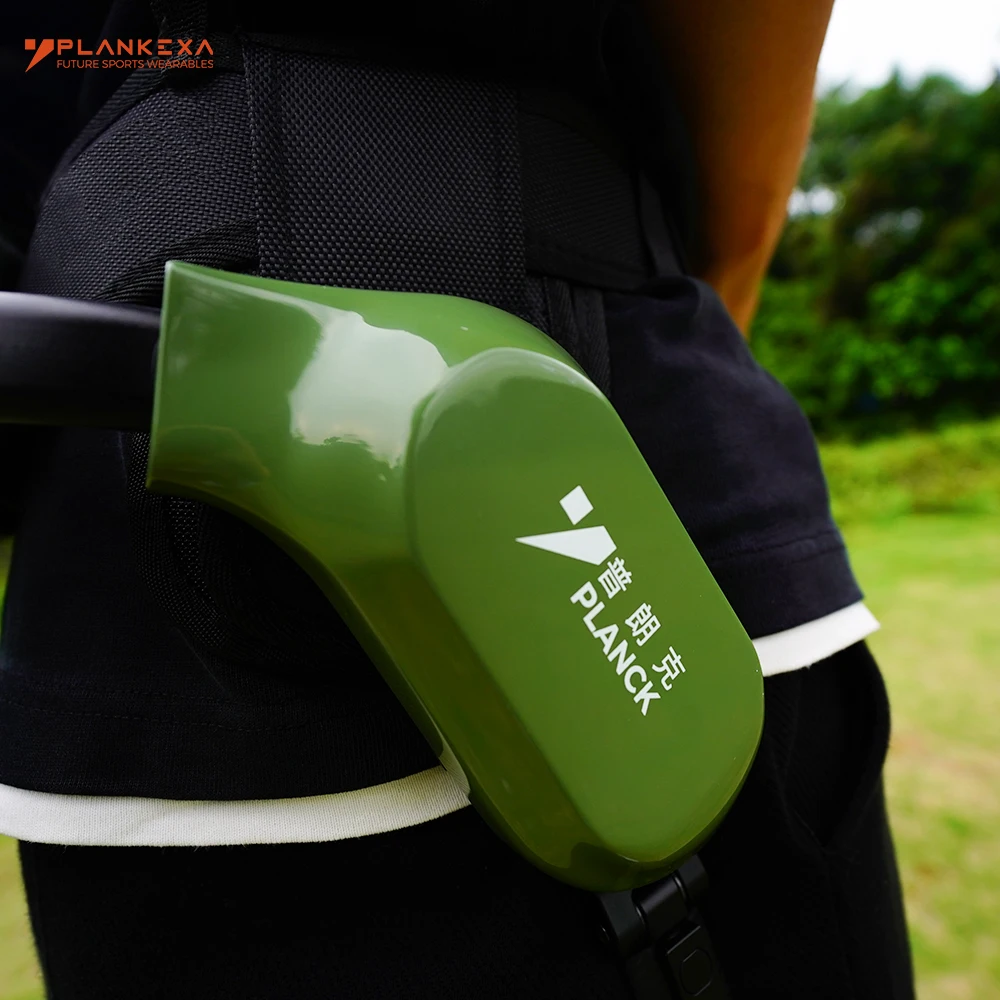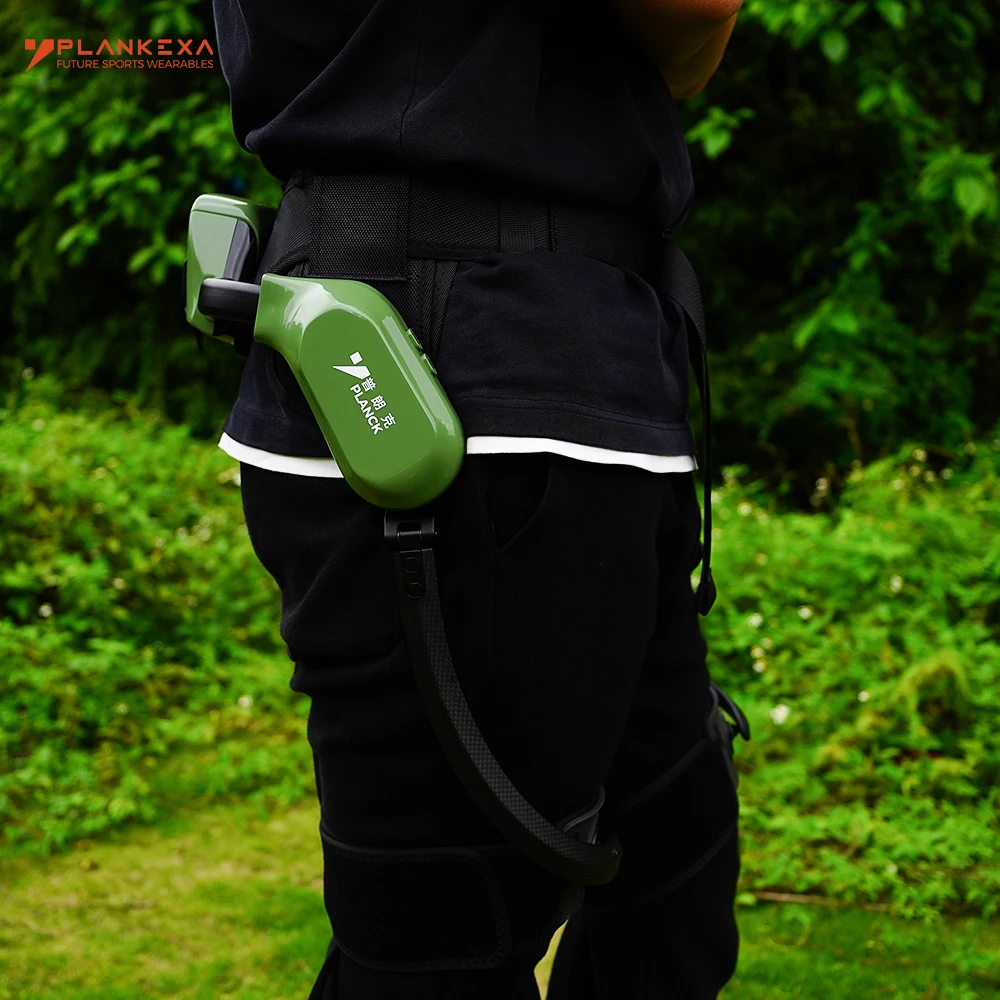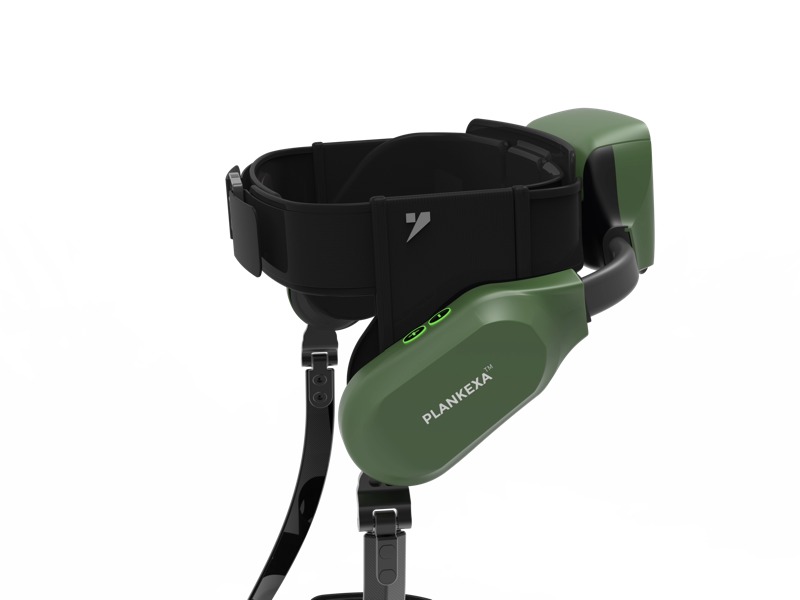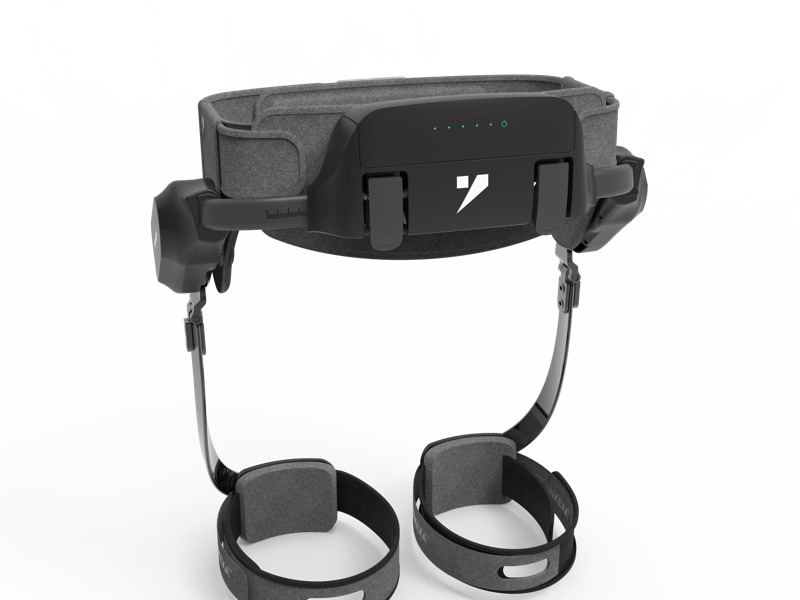
An adaptive mobility robot is an intelligent auxiliary device designed for people with mobility impairments, integrating bionic mechanical structures, real-time sensing technology and adaptive control algorithms. Different from traditional fixed-mode mobility aids, it can automatically identify changes in road conditions, body posture and user movement intentions to adjust output power, gait frequency and balance strategies dynamically. When users walk on flat ground, slopes or uneven paths, the robot optimizes supporting torque in real time to maintain stable movement and prevent accidental falls. It is widely applied in rehabilitation training for stroke, paraplegia and the elderly with mobility degradation, helping users complete standing, walking, turning and stair climbing safely. The device can collect long-term motion data, evaluate limb recovery status and adjust training modes adaptively to formulate personalized rehabilitation plans. Equipped with anti-tilt locking, emergency stop and overload protection functions, it ensures high safety during use. With strong environmental adaptability, this robot works well in indoor homes, rehabilitation centers and outdoor public roads. It effectively reduces the burden on caregivers, improves users’ range of activities and helps mobility-limited groups regain independent mobility and confidence in daily life.